A Comprehensive Travel Guide: Reykjavik, Snæfellsnes, Golden Circle, South Coast & Jökulsárlón
This guide details a classic Icelandic ring road adventure, taking you from the vibrant capital through dramatic peninsulas, legendary historical sites, and the raw, powerful landscapes of the South Coast. The journey encapsulates the essence of Iceland: fire and ice, myth and modernity, relentless nature and resilient culture.
Part 1: Arrival and Acclimation in Reykjavik
Your Icelandic journey begins in Reykjavik, the world’s northernmost capital. Despite its small size, the city bursts with color, creativity, and a surprising cosmopolitan energy. The city center is compact and easily walkable, centered around the serene
Tjörnin lake, often dotted with swans and geese.
Key Attractions:
Hallgrímskirkja Church: This iconic expressionist church, inspired by Iceland’s basalt lava flows, dominates the city skyline. Take the elevator up the tower for a breathtaking 360-degree panoramic view of the city’s colorful rooftops, the surrounding mountains, and the sea.
Harpa Concert Hall: A masterpiece of modern architecture, Harpa’s geometric glass facade reflects the sky, sea, and city lights. Even if you don’t attend a concert, wandering through its shimmering interior is a must.
Sun Voyager (Sólfar): This striking steel sculpture on the seaside promenade resembles a Viking longship, representing the promise of undiscovered territory, a dream of hope, and freedom.
Perlan Museum: Located on Öskjuhlíð hill, this museum features a man-made ice cave you can walk through year-round and offers another superb viewpoint from its rotating glass dome.
Food & Culture in Reykjavik:
Culinary Scene: Reykjavik’s food scene is innovative. Try the famous hot dog (pylsur) with everything at Bæjarins Beztu Pylsur. For a more upscale experience, sample fresh seafood or the adventurous fermented shark (hákarl) for the brave. Don’t miss trying skyr, a traditional dairy product similar to yogurt.
Cultural Insight: Reykjavik is a hub for artists and musicians. Explore the various art galleries and design shops selling unique Icelandic wool sweaters (lopapeysa). The city’s nightlife is famously lively, starting late on weekends.
Practical Tip: Consider purchasing a Reykjavik City Card if you plan to visit multiple museums and use public transport. It offers excellent value. Also, book accommodation well in advance, especially during peak season.
Part 2: The Magical Snæfellsnes Peninsula
Often called “Iceland in Miniature,” the Snæfellsnes Peninsula is a day trip (or a two-day journey) west of Reykjavik, offering a condensed version of the country’s diverse landscapes, crowned by the glacier-capped stratovolcano, Snæfellsjökull.
Key Attractions:
Snæfellsjökull National Park: This glacier was the entrance to the center of the Earth in Jules Verne’s novel. The park itself is a beautiful area for hiking, with dramatic lava fields and coastal cliffs.
Kirkjufell Mountain: Arguably Iceland’s most photographed mountain. Its distinct arrowhead shape, paired with the nearby Kirkjufellsfoss waterfalls, creates a quintessential Icelandic scene. Visit at sunset for spectacular light.
Arnarstapi and Hellnar: Charming coastal villages connected by a stunning coastal hiking path. Marvel at the natural stone arch and the intricate basalt column formations.
Djúpalónssandur Beach: A dramatic black pebble beach littered with the rusted iron remains of a shipwreck. Historically, fishermen would test their strength here using four lifting stones of different weights.
Búðir Black Church (Búðakirkja): A small, stark black wooden church set against a vast lava field, creating a hauntingly beautiful and photogenic contrast.
Transportation & Local Insight:
- A 4×4 vehicle is recommended for exploring some of the more remote F-roads on the peninsula, though the main ring road is paved.
- The weather on Snæfellsnes can change in an instant. Be prepared for rain, wind, and sunshine all in one afternoon. The power of the North Atlantic is palpable here.
Part 3: The Legendary Golden Circle
Returning to Reykjavik, you embark on the world-famous Golden Circle route. This is Iceland’s most popular tourist trail for a reason, showcasing three spectacular sites of historical and geological significance in a relatively small area.
Key Attractions:
Þingvellir National Park: A UNESCO World Heritage site of immense importance. It is the location of the Alþingi, the world’s oldest existing parliament, established in 930 AD. Geologically, it’s where the North American and Eurasian tectonic plates are visibly pulling apart, creating a vast rift valley. You can literally walk between two continents.
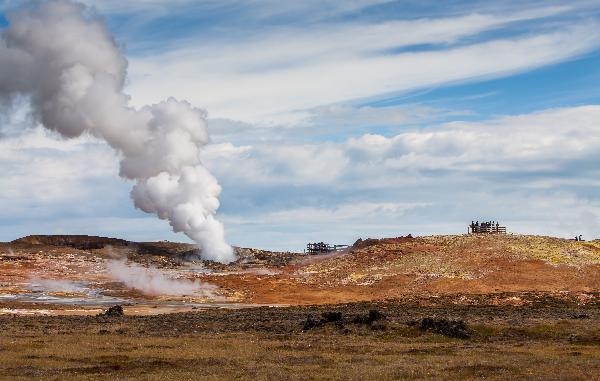
Geysir Geothermal Area: Home to the original Great Geysir, from which all others get their name. While Geysir itself is mostly dormant, its neighbor, Strokkur, erupts reliably every 5-10 minutes, shooting a column of boiling water up to 40 meters (130 feet) into the air.
Gullfoss Waterfall: The “Golden Falls” is a massive, two-tiered waterfall where the river Hvítá plunges 32 meters into a deep canyon. On a sunny day, the mist creates countless rainbows. The raw power and sheer scale are humbling.
Food & Practical Tip:
- The
Friðheimar tomato farm is a popular stop along the route, where you can enjoy lunch surrounded by greenhouses and taste tomato-based dishes and even tomato beer!
- The Golden Circle can be very crowded. To avoid the largest tour buses, try to start your day very early or visit in the late afternoon.
Part 4: The South Coast Adventure to Jökulsárlón
Driving east from Reykjavik along the Ring Road (Route 1), you enter the South Coast region, a land of stark contrasts defined by powerful waterfalls, black sand beaches, and immense glaciers flowing from the Vatnajökull ice cap.
Key Attractions in Sequence:
Seljalandsfoss and Gljúfrabúi Waterfalls
The first major stop is
Seljalandsfoss, a graceful 60-meter waterfall that you can walk behind for a unique, soaking-wet perspective. A short walk to the left (east) brings you to the hidden gem Gljúfrabúi, a waterfall partially concealed within a majestic canyon that you can enter by wading through a shallow stream or walking on stones.
Skógafoss Waterfall
Further east lies the mighty
Skógafoss, one of Iceland’s biggest and most impressive waterfalls. It’s 25 meters wide and drops 60 meters with immense force, producing a constant mist and frequent rainbows. A steep staircase leads to a viewing platform at the top for a stunning view of the coastline.
The South Coast Coastline
The drive itself is an attraction. You’ll pass vast sandar (glacial outwash plains), with the Mýrdalsjökull glacier to your north and the wild North Atlantic to your south. Stop at viewpoints to watch the powerful waves crash against the shore.
Sólheimasandur Plane Wreck
A US Navy DC-3 that made an emergency landing on the black sand beach in 1973. The wreckage remains, a stark and surreal sight against the monochromatic landscape. Note: It is a flat 4km (one-way) walk from the parking lot to reach the plane.
Reynisfjara Black Sand Beach
Warning: Exercise extreme caution here. This is one of the world’s most beautiful yet dangerous beaches. Its striking features include towering basalt sea stacks (Reynisdrangar), a cave of basalt columns (Hálsanefshellir), and incredibly powerful “sneaker waves” that can appear without warning and drag people out to sea. Always keep a safe distance from the water and never turn your back on the ocean.
Vík í Mýrdal
The southernmost village in Iceland, Vík is a charming stop for fuel, food, or to see its iconic red-roofed church perched on a hill overlooking the village and Reynisfjara beach.
Jökulsárlón Glacier Lagoon and Diamond Beach
The crown jewel of the South Coast.
Jökulsárlón is a vast glacial lagoon filled with icebergs that calve from the Breiðamerkurjökull glacier. The icebergs, in shades of blue and white, slowly drift towards the Atlantic Ocean. Take an amphibious boat or zodiac tour to get up close to these ancient ice formations.
Just across the road, where the lagoon meets the sea, lies the
“Diamond Beach.” Here, icebergs washed ashore by the tides glitter like diamonds against the black sand, creating a truly magical and otherworldly scene, especially at sunrise or sunset.
The Blue Ice Caves
A winter-only phenomenon (typically November to March). These natural caves form at the edge of glaciers, like Vatnajökull. The compacted ice has very few air bubbles, absorbing all light except for blue, creating an intense, surreal blue glow from within.
Important: Visiting an ice cave is only possible with a licensed glacier guide for safety reasons. The location and accessibility of ice caves change every year.
Transportation & Accommodation on the South Coast:
- The Ring Road is well-paved, but weather conditions can be challenging, with high winds and sudden storms. Check
road.is and en.vedur.is (weather) frequently.
- For this itinerary, it’s best to stay overnight in the Vík or Kirkjubæjarklaustur area to break up the long drive to Jökulsárlón.
Part 5: The Return to Reykjavik
The journey back to Reykjavik allows you to revisit any sites you missed or see familiar landscapes in a new light. It’s a time for reflection on the raw power and sublime beauty of Iceland’s natural world.
A Final Cultural Note:
The Icelandic people have a deep and respectful connection to their land, which is evident in their rich folklore of elves (
huldufólk) and trolls. This isn’t just for tourists; it represents a genuine cultural appreciation for the mysterious and powerful forces of nature that shape their island. As you travel, tread lightly, respect all safety warnings, and leave no trace. You are a guest in one of the most unique and fragile environments on Earth.
Summary of Practical Travel Tips
Best Time to Visit: Summer (June-August) for midnight sun, accessibility, and green landscapes. Winter (November-March) for Northern Lights and ice caves, but with limited daylight and more challenging driving conditions.
Transportation: Renting a car provides maximum flexibility. A 4×4 is recommended for any F-road travel or for winter driving. Book rental cars far in advance.
What to Pack: Waterproof and windproof outer layers (jacket and pants), insulated layers (fleece or wool), sturdy waterproof hiking boots, swimsuit for hot springs, gloves, hat, and a camera.
Budget: Iceland is expensive. Save money by booking accommodation and tours early, buying groceries for picnics, and using reusable water bottles (Icelandic tap water is among the purest in the world).
Sustainability: Stay on marked paths to protect fragile moss and vegetation. Do not climb on icebergs or walk on glaciers without a guide. Always follow “Leave No Trace” principles.
The journey from Reykjavik through Snæfellsnes, the Golden Circle, and down the South Coast to Jökulsárlón is more than a vacation; it’s an immersion into the elemental forces of our planet—a trip that will leave you with a profound sense of awe and memories to last a lifetime.