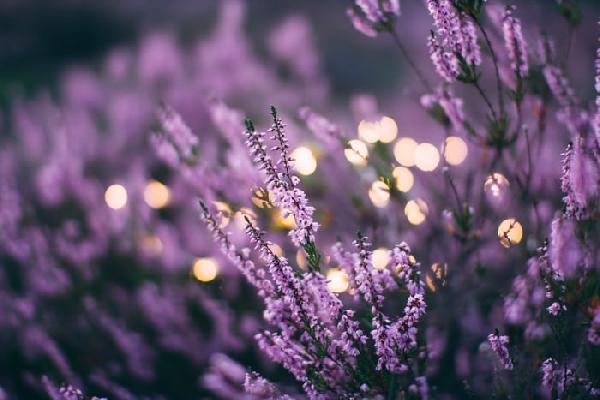
A Comprehensive Travel Guide: Nice, Lac de Sainte-Croix, Valensole, and Back
This guide details a classic and enchanting loop through the heart of the French Riviera and Provence, taking travelers from the vibrant coastline of Nice to the serene inland beauty of Lac de Sainte-Croix and the lavender-scented plateaus of Valensole. This journey offers a perfect blend of urban energy, aquatic leisure, and rustic Provençal charm.
Introduction to the Journey
The route from Nice to the Verdon Gorge region and back is one of southeastern France’s most rewarding road trips. It allows visitors to experience the dramatic contrast between the cosmopolitan Côte d’Azur and the wild, fragrant interior of Provence. The core of this itinerary typically spans 2 to 4 days, providing ample time to soak in the landscapes, from the deep blue of the Mediterranean and Lac de Sainte-Croix to the purple hues of Valensole’s lavender fields and the stark white limestone of the Gorges du Verdon, Europe’s grandest canyon.
Chapter 1: Nice – The Queen of the Riviera
Nice serves as the perfect starting point for this adventure. As the capital of the French Riviera, it boasts an international airport, excellent rail connections, and a vibrant urban life set against a stunning coastal backdrop.
Attractions in Nice
Promenade des Anglais: The city’s iconic seafront walkway, stretching for about 7 kilometers. It’s perfect for a stroll, a bike ride, or simply sitting on one of the famous blue chairs to watch the Mediterranean Sea.
Vieux Nice (Old Town): A labyrinth of narrow, winding streets filled with Baroque architecture, bustling markets, and charming shops. Key sites include the Palais Lascaris and the opulent Opéra de Nice.
Colline du Château (Castle Hill): While the castle is long gone, this hill offers the most panoramic views of Nice’s red-roofed old town, the Baie des Anges, and the port. It’s a must-visit for photographers.
Cours Saleya Market: The vibrant heart of Old Nice. Every morning (except Mondays), it hosts a magnificent flower market, complemented by food markets selling local produce, cheeses, and spices. On Monday nights, it transforms into an antique market.
Musée Matisse: Located in a beautiful Genoese villa in the Cimiez neighborhood, this museum houses an extensive collection of works by Henri Matisse, who spent much of his life in Nice.
Marc Chagall National Museum: Dedicated to the works of Marc Chagall, this museum holds the most important collection of his biblical message paintings.
Food & Drink in Nice
Niçoise cuisine is a highlight, characterized by fresh, local ingredients. Key dishes to try include:
Socca: A thin, savory chickpea pancake, a quintessential Niçoise street food.
Salade Niçoise: The authentic version includes tomatoes, hard-boiled eggs, Niçoise olives, anchovies, and olive oil—no cooked vegetables or canned tuna in the traditional recipe.
Pissaladière: A delicious onion tart topped with anchovies and olives.
Pan Bagnat: Essentially a Salade Niçoise in a sandwich, drenched in olive oil.
Petits Farcis: Small vegetables like tomatoes, zucchini, and onions stuffed with minced meat and herbs.
For dining, explore the small bistros in Old Town or enjoy a more upscale meal along the Promenade or in the port area.
Accommodation in Nice
Nice offers a wide range of accommodations:
Luxury: Hôtel Negresco (an iconic landmark on the Promenade), Le Méridien Nice.
Boutique/Mid-Range: Hôtel Suisse (for its spectacular views), Hôtel Windsor, or numerous charming options in the Old Town.
Budget: Hostels and budget hotels are available near the train station and in areas just behind the main attractions.
Transportation: Getting In and Around Nice
Arrival: Nice Côte d’Azur Airport (NCE) is the main airport, with tram and bus links to the city center. The main train station, Gare de Nice-Ville, connects to other Riviera towns and major French cities.
Within Nice: The city is very walkable. An efficient tram system covers key areas, and buses fill in the gaps. A day pass for public transport is highly recommended.
Chapter 2: The Journey Inland to Lac de Sainte-Croix
The journey from Nice to Lac de Sainte-Croix is approximately 150 kilometers and takes about 2 to 2.5 hours by car. The drive itself is spectacular, transitioning from coastal highways to rolling hills and dramatic gorges.
Transportation: Getting to Lac de Sainte-Croix
By Car (Highly Recommended): Renting a car provides the ultimate freedom to explore this region at your own pace. The route typically involves taking the A8 motorway towards Aix-en-Provence and then exiting towards Draguignan/Castellane. The final approach through the Gorges du Verdon is breathtaking. Ensure you book your rental car in advance, especially during peak season.
By Bus: While possible, it is less convenient. Buses run from Nice to Castellane (the main town at the entrance to the gorge), but from there, reaching the lake and specific rental points requires local shuttles or taxis. The schedules can be infrequent.
The Attraction: Lac de Sainte-Croix & Gorges du Verdon
Lac de Sainte-Croix is a man-made reservoir renowned for its stunning, vibrant turquoise water. It serves as the gateway to the Gorges du Verdon, a 25-kilometer-long canyon that is one of Europe’s most profound natural wonders.
Boat/Kayak/Paddleboard Rental: The primary activity is exploring the lake and the entrance to the gorge by water. Numerous rental agencies are located in the villages of Sainte-Croix-du-Verdon, Bauduen, and most famously, Les Salles-sur-Verdon (the new village rebuilt after the original was flooded). Renting an electric boat is a popular and relaxing way to navigate the crystal-clear waters and enter the first few kilometers of the majestic gorge.
Viewpoints: Drive along the “Corniche Sublime” (D71) or the “Route des Crêtes” (D23) for jaw-dropping viewpoints over the gorge and lake. The Point Sublime offers one of the most famous vistas.
Hiking: For the adventurous, the Sentier Martel is a classic full-day hike through the heart of the gorge, requiring good fitness and preparation.
Food & Accommodation near Lac de Sainte-Croix
The area offers a more rustic, countryside experience compared to Nice.
Food: Enjoy Provençal classics at lakeside restaurants or in villages like Moustiers-Sainte-Marie. Look for dishes like grilled trout from local rivers, daube (beef stew), and tapenade. Moustiers is famous for its faïence pottery.
Accommodation: Options range from campsites by the lake to charming B&Bs (chambres d’hôtes) and small hotels in surrounding villages. Moustiers-Sainte-Marie, a beautiful perched village classified as one of France’s “most beautiful villages,” is a highly recommended base.
Chapter 3: The Lavender Fields of Valensole Plateau
A short drive south from Lac de Sainte-Croix leads to the Valensole Plateau, one of the most iconic landscapes in all of Provence. This vast agricultural plain is famous for its endless rows of lavender and, later in the summer, sunflowers.
The Attraction: Lavender in Bloom
Seasonality is Key: The lavender is in full bloom from approximately late June to mid-July. Visiting outside this window will result in missing the famous purple seas. The sunflowers typically bloom from mid-July to early August.
Exploring the Fields: The beauty of Valensole is in its unplanned discovery. Simply driving along the D6, D8, and D56 roads will reveal countless stunning fields. Be respectful—these are working farms. Do not walk into the middle of the fields unless there is a clear path; stick to the edges and never pick the lavender.
Photography: The best light for photography is during sunrise and sunset when the light is soft and golden, and the fields are less crowded.
Valensole Village: The town itself is a pleasant Provençal village with shops selling lavender products (essential oils, soaps, honey) and several cafes and restaurants.
Cultural Insights: The Lavender Economy
Lavender farming is a vital part of the local economy and culture. There are two main types: true lavender (lavande fine), which grows at higher altitudes and is prized for its essential oil quality, and lavandin, a hybrid that is more robust and produces a higher yield. Visiting during harvest time (July) allows travelers to see distillers in action and smell the incredible scent that fills the air.
Food & Accommodation on the Plateau
The offerings here are authentically Provençal.
Food: Look for lavender-infused products like honey and ice cream. Restaurants in Valensole serve robust Provençal fare. This is also a great region to buy local olive oil and wine.
Accommodation: Similar to the lake area, accommodation consists mainly of charming B&Bs and farm stays (agritourism) on the plateau itself, offering an immersive rural experience. Booking well in advance is crucial for the peak lavender season.
Chapter 4: The Return Journey to Nice
The drive back from Valensole to Nice is approximately 150 kilometers and takes around 2 hours via the A51 and A8 motorways. This route offers a smooth transition back to the coast.
Alternative Return Route via Grasse
For those with extra time, a detour through Grasse is highly recommended. Known as the world’s perfume capital, Grasse offers fascinating museum tours at perfumeries like Fragonard, Galimard, and Molinard, where visitors can learn about fragrance creation and even create their own custom scent.
A Sample 3-Day Itinerary
Day 1: Explore Nice. Spend the day walking through Old Town, visiting Castle Hill, and enjoying dinner on Cours Saleya.
Day 2: Drive to Lac de Sainte-Croix (2.5 hrs). Rent an electric boat for a 2-3 hour exploration of the lake and gorge. Have a lakeside lunch. In the afternoon, drive to Valensole (45 mins) to witness the lavender fields at sunset. Overnight in Moustiers-Sainte-Marie or a B&B on the plateau.
Day 3: Morning visit to Moustiers-Sainte-Marie or more time exploring the lavender fields. After lunch, begin the drive back to Nice, optionally stopping in Grasse before returning your rental car and spending a final evening in Nice.
Practical Travel Tips
Best Time to Visit
June-July: Perfect for lavender but also the busiest and hottest time. Essential to book everything far in advance.
May & September: Excellent shoulder seasons with pleasant weather, fewer crowds, and lower prices. The lavender will not be in bloom, but the Gorges du Verdon and Nice are still magnificent.
Winter: Many services around Lac de Sainte-Croix and Valensole are closed. This trip is best undertaken between April and October.
Budgeting
Car Rental & Fuel: A significant cost but essential. Book early for better rates.
Accommodation: Prices are highest in Nice during peak season and on the plateau during lavender season. B&Bs offer good value.
Activities: Boat rentals on Lac de Sainte-Croix can range from €50-€150 for a few hours depending on size and type.
Food: Eating at markets and picnicking can save money, while restaurant dining will be more costly, especially in Nice.
Cultural Etiquette
- A simple “Bonjour” (hello) when entering a shop or cafe and “Au revoir” (goodbye) when leaving is considered essential politeness.
- A few basic French phrases will be greatly appreciated.
- Tipping is not obligatory as a service charge is included by law, but it is customary to leave small change or round up the bill for good service.
- As always when traveling, be respectful of natural sites—take your trash with you and do not damage flora or fauna.
A journey from Nice to Lac de Sainte-Croix and Valensole encapsulates some of France’s most diverse and breathtaking scenery. From urban glamour to natural grandeur and rustic charm, this loop through Provence promises an unforgettable travel experience rich with color, flavor, and beauty.