A Comprehensive Travel Guide: London, Windsor, Oxford, Cotswolds, Manchester, Lake District, Scotland & Beyond
This guide outlines a classic and immersive journey through the United Kingdom, traversing the bustling capitals of England and Scotland, the hallowed halls of ancient universities, the breathtaking landscapes of the Lake District and the Scottish Highlands, and the charming villages of the Cotswolds. It is designed for travelers seeking a deep and varied experience of British history, culture, and natural beauty.
Part 1: London & The South East
London: The World in a City
London, the vibrant capital of England, is a sprawling metropolis where history and modernity collide. It serves as the perfect starting point for any UK adventure.
Key Attractions:
The Tower of London: A historic castle on the north bank of the River Thames. Explore the Crown Jewels, walk the battlements, and hear tales of its bloody past from the iconic Beefeaters.
Buckingham Palace: The official London residence of the monarch. Don’t miss the world-famous Changing of the Guard ceremony.
The British Museum: Home to a vast collection of world art and artifacts, including the Rosetta Stone and the Parthenon Marbles. Admission is free.
The Houses of Parliament & Big Ben: The seat of the UK government. The Elizabeth Tower (commonly known as Big Ben) is an iconic symbol of London.
Westminster Abbey: A stunning Gothic church where coronations, royal weddings, and burials have taken place for centuries.
The London Eye: A giant Ferris wheel on the South Bank of the Thames offering unparalleled panoramic views of the city.
Food & Drink:
Traditional Pubs: Sample a pint of real ale and classic pub fare like fish and chips or a Sunday roast at a traditional pub.
Afternoon Tea: Indulge in a quintessential British experience with finger sandwiches, scones with clotted cream and jam, and pastries. Options range from luxurious (The Ritz) to charming and affordable.
International Cuisine: Explore Borough Market for gourmet street food or visit neighborhoods like Brick Lane for incredible Bangladeshi curries or Chinatown for authentic Asian dishes.
Transportation & Accommodation:
London’s public transport system, primarily the Underground (the “Tube”), is extensive and efficient. An Oyster card or contactless payment is recommended for the best fares. For accommodation, central areas like Westminster, South Bank, and Covent Garden offer convenience but are pricey. More budget-friendly options can be found in zones 2-3 with good Tube access.
Day Trip: Windsor
A short train journey west of London lies the historic town of Windsor, home to the world’s oldest and largest inhabited castle.
Windsor Castle: The official weekend residence of Her Majesty The King. Visitors can explore the magnificent State Apartments, St. George’s Chapel (the burial place of monarchs including Queen Elizabeth II), and see the famous Queen Mary’s Dolls’ House.
Transport: Regular train services run from London Paddington or Waterloo stations to Windsor & Eton Central or Riverside, taking approximately 30-60 minutes.
Day Trip: Oxford
Known as the “City of Dreaming Spires,” Oxford is famed for its prestigious university, which is composed of 39 historic colleges.
University Colleges: Visit Christ Church (a filming location for Harry Potter), Magdalen College with its beautiful deer park, and the Bodleian Library, one of the oldest libraries in Europe.
Cultural Insights: The university’s collegiate system means the city is a vibrant mix of ancient tradition and youthful energy. Punting on the River Cherwell is a popular pastime.
Transport: Direct trains from London Paddington take about an hour.
Part 2: The English Heartlands & North
The Cotswolds
Designated an Area of Outstanding Natural Beauty, the Cotswolds is a region of rolling hills, honey-colored limestone villages, and peaceful countryside.
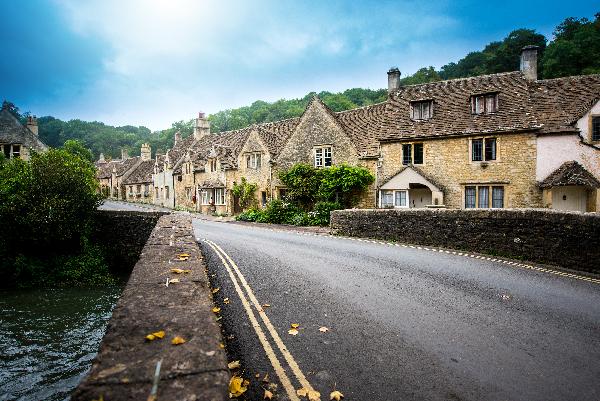
Villages to Visit: Bourton-on-the-Water (the “Venice of the Cotswolds”), Stow-on-the-Wold (known for its antique shops), Bibury (home to Arlington Row), and Castle Combe (often called England’s prettiest village).
Accommodation: Stay in a cozy bed and breakfast, a traditional inn, or a luxury country hotel for an authentic rural experience.
Transport: The best way to explore the Cotswolds is by car, as public transport between villages can be infrequent. Alternatively, join a guided tour from Oxford or London.
Stratford-upon-Avon (Shakespeare’s Hometown)
This charming market town on the River Avon is synonymous with William Shakespeare.
Attractions: Visit Shakespeare’s Birthplace, Anne Hathaway’s Cottage, and Holy Trinity Church, where the playwright is buried. See a play by the Royal Shakespeare Company for a truly memorable experience.
Manchester
A powerhouse of the Industrial Revolution, Manchester has reinvented itself as a vibrant, modern city known for its music scene, football culture, and industrial heritage.
Attractions: Explore the Museum of Science and Industry (MOSI), take a tour of Old Trafford (Manchester United) or the Etihad Stadium (Manchester City), and discover the trendy Northern Quarter with its independent shops and street art.
Cultural Insights: Manchester has a proud history of innovation and rebellion. Its music legacy includes bands like The Smiths, Oasis, and Joy Division.
The Lake District
A UNESCO World Heritage Site, this region is England’s premier destination for hiking and poetry lovers, famously associated with William Wordsworth and Beatrix Potter.
Towns & Lakes: Windermere and Bowness-on-Windermere are popular bases. Cruise on Lake Windermere, hike up Catbells for stunning views of Derwentwater, or visit Dove Cottage, Wordsworth’s former home.
Food: Try traditional Cumberland sausage and sample local ales. After a long walk, enjoy a hearty meal at a country pub.
Accommodation: Options range from hotels in towns to charming guesthouses and self-catering cottages in the valleys.
Part 3: The Scottish Adventure
Glasgow
Scotland’s largest city is a dynamic hub of art, music, and culture. Compared to Edinburgh, it is grittier but full of character and renowned for its friendly locals.
Attractions: Admire the unique architecture of Charles Rennie Mackintosh, particularly at the Glasgow School of Art and The Willow Tea Rooms. The Kelvingrove Art Gallery and Museum is a must-visit, housing an eclectic and impressive collection. Explore the trendy West End for boutiques and cafes.
Cultural Insights: Glasgow has a strong industrial past and a vibrant contemporary arts scene. It was the UK’s City of Culture in 1990 and continues to be a major center for music and performing arts.
The Scottish Highlands & Isles
This leg of the journey is best undertaken by car or as part of a guided tour to fully appreciate the remote and dramatic landscapes.
The Scottish Highlands
A vast, rugged region of breathtaking beauty, characterized by mountains, glens, and lochs.
Glencoe: A hauntingly beautiful valley steeped in history, known for its dramatic mountain scenery and the infamous 1692 massacre.
Loch Ness: Famous for its legendary monster, “Nessie.” Visitors can explore Urquhart Castle ruins on the loch’s shore or take a boat cruise to try and spot the creature.
The Isle of Skye: A jewel of the Highlands, known for its otherworldly landscapes. Key sights include the Old Man of Storr, the Quiraing landslip, Fairy Pools, and Dunvegan Castle.
Aberfoyle / Scottish Towns: A picturesque town in the Trossachs, often called the “Gateway to the Highlands.” It’s a popular stop for those exploring Loch Lomond. Other charming towns like Pitlochry offer distilleries and beautiful scenery.
Pitlochry: A lovely Victorian town in Perthshire, known as a gateway to the Highlands. Visit the Blair Athol Distillery and see the Salmon Ladder.
Food & Accommodation in the Highlands:
Food: Sample fresh seafood like langoustines and salmon. Try haggis, neeps and tatties (a national dish), and enjoy a wee dram of single malt whisky from a local distillery.
Accommodation: Stay in a family-run bed and breakfast for a personal touch, book a room in a historic inn, or for a unique experience, consider a remote cottage or castle hotel.
Edinburgh: The Athenian North
Scotland’s capital is a stunningly beautiful city built on ancient volcanoes. Its history is palpable in every cobblestone street.
Key Attractions:
Edinburgh Castle: Dominating the city skyline from Castle Rock, this fortress houses the Crown Jewels of Scotland and the Stone of Destiny.
The Royal Mile: The historic thoroughfare connecting Edinburgh Castle to the Palace of Holyroodhouse. It’s lined with shops, pubs, and closes (narrow alleyways) leading to hidden courtyards.
Arthur’s Seat: An ancient volcano in Holyrood Park offering a rewarding hike and spectacular 360-degree views of the city.
Palace of Holyroodhouse: The King’s official residence in Scotland, located at the end of the Royal Mile.
Food & Drink:
Scottish Fare: Enjoy hearty dishes like Cullen skink (a smoked haddock chowder) or steak pie. Visit a traditional pub for a folk music session.
The Scotch Whisky Experience: A popular attraction on the Royal Mile offering an introduction to Scotland’s national drink.
Part 4: The Return South & East
York
A magnificent walled city in northeast England, steeped in Roman, Viking, and medieval history.
Attractions: Walk the magnificent medieval York Minster, one of the world’s most beautiful cathedrals. Explore The Shambles, a crooked timber-framed street that inspired Diagon Alley from Harry Potter. Walk along the well-preserved city walls.
The Jorvik Viking Centre: An award-winning museum built on the site of a Viking-age archaeological dig, offering a ride-through experience of 10th-century Jorvik (York).
Cambridge
Like Oxford, Cambridge is a world-renowned university city, but with its own distinct character, famous for its “Backs” – green lawns behind the colleges that lead down to the River Cam.
Attractions: Visit King’s College and its breathtaking chapel. Go punting on the River Cam for the best views of the colleges. Explore the historic market square and see the fascinating Corpus Clock.
Transport: Regular trains from London King’s Cross or Liverpool Street take about 50-90 minutes.
Final Leg: Return to London
The journey concludes with a return to London. This provides an opportunity to see any sights missed at the beginning of the trip, enjoy a final West End show, or simply reflect on an epic journey through the heart of Great Britain before departing.