A Comprehensive Travel Guide: London, the Cotswolds, Stratford-upon-Avon & Bourton-on-the-Water
This guide details a classic English itinerary that combines the electrifying energy of the nation’s capital with the serene, picturesque beauty of its most famous countryside and a poignant journey into its literary heart. The route from London to the Cotswolds, via Shakespeare’s birthplace and the charming village of Bourton-on-the-Water, offers a profound and diverse experience of England’s landscape, history, and culture.
Trip Overview
This circular tour typically spans 4 to 7 days, allowing for a balanced exploration of urban and rural England. The journey begins and ends in London, venturing northwest into the rolling hills of the Cotswolds, an Area of Outstanding Natural Beauty. Key stops include Stratford-upon-Avon, the birthplace of William Shakespeare, and Bourton-on-the-Water, often called the ‘Venice of the Cotswolds’. The primary modes of transportation are train and car, each offering distinct advantages.
Part 1: London – The Thriving Metropolis
London is a vast, dynamic city steeped in history yet constantly evolving. It serves as the perfect starting point, offering world-class museums, iconic landmarks, and unparalleled cultural diversity.
Major Attractions
The British Museum: Home to a vast collection of world art and artefacts, including the Rosetta Stone and the Parthenon Marbles. Admission is free, though donations are appreciated.
The Tower of London: A historic castle on the north bank of the River Thames. Explore its grim history as a prison, see the Crown Jewels, and be guided by the iconic Yeoman Warders.
Buckingham Palace: The official London residence of the UK’s sovereigns. The Changing of the Guard ceremony is a major tourist draw; check the official schedule for times.
The Houses of Parliament & Big Ben: An iconic Gothic revival building. While tours inside are available, the best view is from the opposite bank of the Thames, especially at night.
The West End: London’s theatre district. Catching a world-class musical or play is an essential London experience. Book tickets in advance for the best prices and seats.
Food & Drink Recommendations
Traditional Pub Grub: Enjoy a classic Sunday Roast with Yorkshire pudding or fish and chips in a historic pub. Try The George Inn near London Bridge, one of London’s last remaining galleried coaching inns.
Afternoon Tea: An indulgent British tradition. Options range from the luxurious at The Ritz or Fortnum & Mason to more casual and modern interpretations.
International Cuisine: Explore the food markets like Borough Market for gourmet street food, or visit areas like Brick Lane for legendary Bangladeshi curries or Chinatown for authentic Asian fare.
Transportation in London
London’s public transport system is extensive and efficient. The London Underground (“the Tube”) is the quickest way to travel across the city. Visitors are advised to get an Oyster card or use a contactless bank card for the cheapest fares. The famous red double-decker buses offer a scenic, if slower, alternative. Walking is also highly recommended to discover hidden gems between districts.
Accommodation Tips
London offers accommodation for every budget. For convenience, consider staying in central zones (1-2). Neighborhoods like Covent Garden, South Bank, and Westminster are close to major sights but can be expensive. More affordable options can be found in areas like Kensington, Paddington, or King’s Cross, which still have excellent transport links.
Part 2: Journey to Stratford-upon-Avon
The first leg of the journey out of London heads northwest to Stratford-upon-Avon in Warwickshire, the birthplace of William Shakespeare.
Transportation: London to Stratford-upon-Avon
By Train: Direct trains run from London Marylebone Station to Stratford-upon-Avon, taking approximately 2 hours and 15 minutes. It’s a scenic and relaxing journey.
By Car: The drive takes around 2 hours via the M40 motorway. Renting a car offers flexibility for the rest of the Cotswolds journey but remember that parking in Stratford can be challenging.
Major Attractions in Stratford-upon-Avon
Shakespeare’s Birthplace: Explore the half-timbered house where the world’s most famous playwright was born and grew up. The exhibit provides deep insight into his early life.
Anne Hathaway’s Cottage: The picturesque childhood home of Shakespeare’s wife, located just outside the town center. The cottage and its gardens are idyllic.
Holy Trinity Church: The final resting place of Shakespeare and his wife. The church is beautiful and sits peacefully on the banks of the River Avon.
Royal Shakespeare Theatre: Catch a performance by the renowned Royal Shakespeare Company. Even if you don’t see a play, a backstage tour is highly recommended.
Cultural Insights
Stratford-upon-Avon is a living monument to its most famous son. The town thrives on its literary heritage, but it’s also a vibrant market town with a rich history of its own. Respectful behavior at historical and religious sites is expected. Engaging with the actors and staff at the RSC can provide unique perspectives on Shakespeare’s enduring legacy.
Part 3: Into the Heart of the Cotswolds & Bourton-on-the-Water
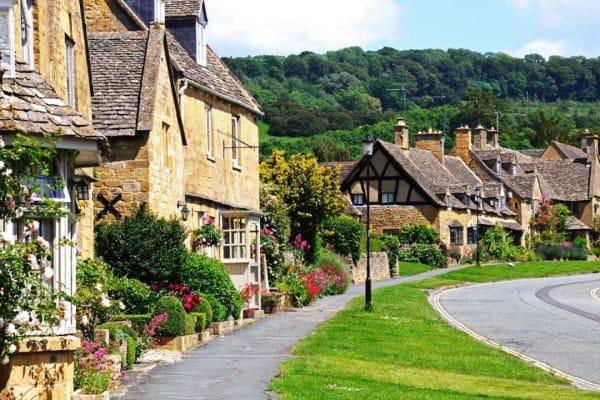
From Stratford, the journey delves deeper into the Cotswolds. This region is characterized by rolling hills, ancient woodlands, and villages built from distinctive honey-colored limestone.
Transportation: Stratford-upon-Avon to the Cotswolds
By Car (Highly Recommended): This is the most flexible way to explore the Cotswolds. The drive from Stratford to Bourton-on-the-Water is about 30-40 minutes through beautiful countryside. A car allows for spontaneous stops in other charming villages like Stow-on-the-Wold, Upper and Lower Slaughter, and Broadway.
By Bus: Public bus services connect towns and some villages. The Pulhams Coaches 801 service runs from Stratford to Bourton-on-the-Water via Stow-on-the-Wold, but services can be infrequent, especially on Sundays and in the evenings. Careful planning is essential.
Major Attractions: Bourton-on-the-Water
The River Windrush & Low Bridges: The village’s defining feature is the shallow River Windrush that flows through its center, crossed by several elegant, low-arched stone bridges.
The Model Village: A one-ninth scale replica of Bourton-on-the-Water itself, built from the local Cotswold stone. It’s a fascinating and detailed attraction.
The Cotswold Motoring Museum & Toy Collection: A charming museum filled with vintage cars, caravans, and motoring memorabilia, famously associated with the TV show “Brum”.
Birdland Park & Gardens: Home to over 500 birds, including penguins, parrots, and cassowaries, set in peaceful woodland and riverside gardens.
Exploring the Wider Cotswolds
While based in or near Bourton, take time to explore the surrounding area:
Stow-on-the-Wold: A historic market town perched on a hill, known for its antique shops and traditional pubs.
The Slaughters: Upper and Lower Slaughter are two of the most picturesque villages in England, with serene streams and pristine cottages. They are a short walk or drive from Bourton.
Bibury: Often described as the most beautiful village in England by William Morris, famed for Arlington Row, a row of ancient weavers’ cottages.
Food & Drink in the Cotswolds
Country Pubs: The heart of Cotswold life. Enjoy a pint of local ale by a roaring fire and sample hearty dishes made with local produce, such as Gloucester Old Spot pork or lamb from local farms.
Cream Tea: A must-have experience. This consists of scones served with clotted cream, strawberry jam, and a pot of tea. Disputes over whether to put the cream or jam on first are common (the Cornish and Devonshire methods differ).
Farm Shops: Visit places like Daylesford Organic or the Stroud Farmers’ Market to taste and purchase high-quality local cheese, meats, bread, and other artisan products.
Accommodation Tips for the Cotswolds
Accommodation ranges from luxury manor house hotels to cozy bed and breakfasts and self-catering cottages.
Village B&Bs: For an authentic experience, stay in a family-run B&B in Bourton-on-the-Water, Stow-on-the-Wold, or a nearby village. This offers personal service and local knowledge.
Country House Hotels: For a special treat, book a stay in a converted manor or castle for a taste of historic luxury.
Self-Catering Cottages: Ideal for families or those wanting more independence. They provide a true “home away from home” feel.
Booking well in advance is crucial, especially during peak season (June-August) and around Christmas.
Part 4: Return to London
The final leg of the journey involves returning from the tranquil Cotswolds to the bustling capital.
Transportation: Cotswolds to London
By Car: The drive back to London takes approximately 2.5 to 3 hours, depending on traffic. The most direct route is via the A40 and M40 motorways. Remember to factor in congestion charges if driving into central London.
By Train: The most convenient train stations for this route are Moreton-in-Marsh or Kingham, both with direct services to London Paddington. The journey takes about 1.5 to 2 hours. A taxi or local bus from Bourton-on-the-Water to the station will be required.
A Final London Evening
Upon returning to London, consider a relaxing activity to wind down from your travels. A stroll along the South Bank of the Thames at dusk, watching the city lights illuminate landmarks like St. Paul’s Cathedral and Tower Bridge, provides a perfect bookend to this diverse English adventure.
Practical Tips & Cultural Insights
Best Time to Travel
Spring (April-May) and Autumn (September-October) are ideal. The weather is generally mild, the countryside is lush (spring) or beautifully colored (autumn), and crowds are smaller than in peak summer. Summer (June-August) is warm and bustling but also the busiest and most expensive. Winter (November-February) can be cold and days are short, but it offers a chance to see Christmas markets and experience cozy pub culture at its best.
Tipping Etiquette
In the UK, tipping is appreciated but not always mandatory.
Restaurants: A service charge of 10-12.5% is often added to the bill. If not, tipping 10-15% for good service is customary.
Pubs: Not expected when ordering drinks or bar food at the counter.
Taxis: It’s polite to round up the fare or tip 10%.
Hotels: A tip of £1-2 per bag for porters is standard.
Cultural Do’s and Don’ts
Do: Queue (form a line) politely. It is a cornerstone of British culture. Be patient and wait your turn.
Do: Say “please,” “thank you,” and “sorry” frequently. Politeness is highly valued.
Don’t: Be overly loud or boisterous in public places, especially on public transport.
Do: Respect historical sites. Do not climb on ancient walls or structures unless explicitly permitted.
Do: Engage with locals in pubs. They are often very friendly and happy to share stories and recommendations.
Conclusion
This journey from London to Shakespeare’s Country and the Cotswolds encapsulates the essence of England. It contrasts the world-class dynamism of its capital with the timeless, pastoral beauty of its countryside and the profound cultural heritage of its greatest writer. By carefully planning transportation and accommodations, and immersing oneself in both the iconic sights and quiet moments—a play at the RSC, a cream tea in a village garden, a pint in a historic pub—travelers will leave with a deep and lasting appreciation for this remarkable part of the world.