A Comprehensive Travel Guide: London, Birmingham, Manchester, Lake District, Scottish Highlands & More
This guide outlines a classic and immersive journey through the heart of England and Scotland, capturing the vibrant energy of major cities, the serene beauty of the Lake District, the dramatic wilderness of the Scottish Highlands, and the historic charm of ancient towns. The itinerary is designed as a circular route, ideal for a multi-week trip by train or car.
Itinerary Overview
The proposed route is:
London -> Birmingham -> Manchester -> Windermere (Lake District) -> Scottish Highlands -> Loch Ness -> Scottish Town -> Edinburgh -> York -> Manchester -> Birmingham -> London -> Cambridge -> London. This loop efficiently covers a vast and diverse range of British experiences.
Chapter 1: London – The Capital Gateway
London is a sprawling metropolis steeped in history yet constantly evolving. It serves as the perfect starting and ending point for any UK adventure, with excellent global flight connections.
Key Attractions
The British Museum: Home to a vast collection of world art and artifacts, including the Rosetta Stone and the Parthenon Marbles. Entry is free.
The Tower of London: A historic castle on the north bank of the River Thames. Explore the Crown Jewels, meet the Yeoman Warders, and learn about its grim history as a prison.
Buckingham Palace: The official London residence of the monarch. The Changing of the Guard ceremony is a major tourist draw.
Houses of Parliament & Big Ben: An iconic symbol of London. While tours of the interior are available, the best view is from across the Thames.
The West End: Catch a world-class theatre production. Booking tickets in advance is highly recommended.
Food & Drink
Traditional Pubs: Sample a pie and mash or a Sunday roast with a pint of real ale.
Afternoon Tea: Indulge in a quintessential British experience at establishments like Fortnum & Mason or The Ritz.
International Cuisine: Explore Borough Market for gourmet street food or Brick Lane for its famous curries.
Transportation
London’s Underground (“the Tube”) is the most efficient way to get around. Visitors should purchase an Oyster card or use contactless payment for the best fares. Black cabs are plentiful but expensive.
Accommodation Tips
Stay in central zones (1-2) for easy access to major sights. Neighborhoods like Covent Garden, South Kensington, and Paddington offer a range of hotels. For budget options, consider areas slightly further out but with good Tube links.
Chapter 2: Birmingham – The Industrial Powerhouse Reimagined
A short train ride from London, Birmingham has transformed itself from an industrial center into a vibrant, modern city with impressive canals and cultural venues.
Key Attractions
Birmingham Museum and Art Gallery: Houses a world-renowned collection of Pre-Raphaelite paintings.
The Custard Factory: A creative quarter in Digbeth, filled with independent shops, galleries, and cafes.
Cadbury World: Located in the suburb of Bournville, this interactive exhibition delves into the history of chocolate.
The Canal Network: Take a stroll along the city’s canals, which have more miles than Venice.
Food & Drink
The Balti Triangle: Birmingham is famous for its Balti curry, a unique style created in the city. Head to the Balti Triangle for an authentic experience.
German Christmas Market: If visiting in December, it’s one of the largest and most authentic outside Germany.
Transportation
Birmingham New Street is the main railway station with excellent connections. The city center is very walkable, and a compact tram system serves key areas.
Chapter 3: Manchester – The North’s Creative Hub
A short train north from Birmingham, Manchester is a city known for its industrial heritage, football culture, and influential music scene.
Key Attractions
Science and Industry Museum: Housed in the world’s oldest railway station, it explores Manchester’s role in the Industrial Revolution.
Old Trafford & Etihad Stadium: A pilgrimage site for football fans. Take a tour of Manchester United’s or Manchester City’s grounds.
The Northern Quarter: The bohemian heart of the city, filled with vintage shops, street art, independent record stores, and cool cafes.
John Rylands Library: A stunning neo-Gothic library that feels like stepping into Hogwarts.
Food & Drink
Curry Mile: A stretch of Wilmslow Road in Rusholme packed with South Asian restaurants and sweet houses.
Manchester Pub Culture: Visit a traditional pub like The Briton’s Protection or a modern craft beer bar in the Northern Quarter.
Transportation
Manchester Piccadilly is the main train station. The city has an extensive bus network and a tram (Metrolink) system that connects the center with suburbs and attractions.
Chapter 4: Windermere & Bowness – Gateway to the Lake District
A direct train from Manchester takes you to Windermere, the entry point to England’s largest natural lake and the stunning Lake District National Park, a UNESCO World Heritage Site.
Key Attractions
Lake Windermere: Take a cruise on the lake to enjoy breathtaking views of the surrounding fells. Kayaking and rowing are also popular.
World of Beatrix Potter: A charming attraction in Bowness-on-Windermere that brings Peter Rabbit and friends to life.
Hiking: Explore countless walking trails. Orrest Head is a short, rewarding walk from Windermere town with panoramic views.
Ambleside & Grasmere: Visit these nearby villages. Grasmere is famous for its gingerbread and as the home of poet William Wordsworth.
Food & Drink
Grasmere Gingerbread: A unique and delicious treat sold only in the village of Grasmere.
Cumbrian Sausages & Herdwick Lamb: Sample local specialties in traditional pubs and restaurants.
Afternoon Tea: Many hotels offer afternoon tea with stunning lake views.
Transportation & Accommodation
The best way to explore the Lake District is by car, but local buses and boats are excellent for getting around the central lakes. Stay in a B&B in Windermere or Bowness for a cozy, authentic experience, or splurge on a lakeside hotel.
Chapter 5: The Scottish Highlands & Loch Ness
The journey north from the Lake District into Scotland is one of the most scenic in the UK. This leg is best undertaken by a guided tour or rental car due to limited public transport in remote areas.
Key Attractions
Loch Ness: Famous for its mythical monster, “Nessie.” Visit Urquhart Castle for spectacular views over the loch.
Glen Coe: A hauntingly beautiful and dramatic valley steeped in history, known for its tragic massacre and stunning landscapes.
Ben Nevis: The UK’s highest mountain. While climbing it is a serious undertaking, the views from its base in Fort William are impressive.
Cairngorms National Park: A vast national park offering hiking, wildlife spotting (including reindeer), and scenic railways.
A Typical Scottish Town (e.g., Pitlochry or Fort Augustus)
A stop in a classic Scottish town is essential. Pitlochry, for instance, is a beautiful Victorian town with distilleries, independent shops, and the Salmon Ladder. It offers a perfect glimpse into small-town Scottish life.
Food & Drink
Cullen Skink:A creamy smoked haddock soup, a Scottish classic.
Haggis, Neeps & Tatties:The national dish—a must-try. It’s a savory pudding containing sheep’s pluck, onion, oatmeal, and spices.
Whisky:Visit a distillery for a tour and tasting. The Speyside region is particularly famous.
Accommodation Tips
Stay in a family-run guesthouse or a cozy inn for a warm welcome and local knowledge. In larger towns like Fort William, standard hotel chains are also available.
Chapter 6: Edinburgh – The Athens of the North
Travelling south from the Highlands, you arrive in Scotland’s majestic capital. Edinburgh is a city of contrasts, with a medieval Old Town and an elegant Georgian New Town, both UNESCO World Heritage Sites.
Key Attractions
Edinburgh Castle:Dominating the city skyline, the castle houses Scotland’s crown jewels and the Stone of Destiny.
The Royal Mile:The main thoroughfare connecting the Castle to the Palace of Holyroodhouse. It’s lined with shops, pubs, and closes (narrow alleyways) to explore.
Arthur’s Seat:An ancient volcano in Holyrood Park offering a rewarding hike and unparalleled views of the city.
The Scottish Parliament:A striking modern building at the bottom of the Royal Mile, open for tours.
Food & Drink
Scottish Seafood:Sample fresh oysters, scallops, and langoustines.
A Whisky Experience:The Scotch Whisky Experience on the Royal Mile offers informative tours for all knowledge levels.
Edinburgh Festival Fringe:If visiting in August, the city comes alive with thousands of performances. Booking accommodation far in advance is crucial.
Transportation
Edinburgh is a very walkable city. Waverley Station is centrally located, and there is an efficient bus network. The tram connects the airport to the city center.
Chapter 7: York – The Walled Medieval City
A direct train south from Edinburgh brings you to the historic city of York, a beautifully preserved gem with Roman and Viking roots.
Key Attractions
York Minster:One of the world’s most magnificent cathedrals. Climb the Central Tower for incredible views.
The Shambles:A crooked, medieval street often cited as the inspiration for Diagon Alley. It’s now lined with quirky shops.
The City Walls:Walk along the extensive and well-preserved medieval walls that encircle the old city center.
National Railway Museum:A free museum housing a world-class collection of historic trains and royal carriages.
Food & Drink
Yorkshire Pudding:A must-try, traditionally served with a Sunday roast.
Betty’s Tea Rooms:A York institution famous for its afternoon tea—be prepared to queue.
York Chocolate Story:Learn about York’s chocolate-making heritage (home to KitKat and Terry’s Chocolate Orange).
The Return Journey: Manchester & Birmingham Revisited
The itinerary loops back through Manchester and Birmingham primarily as transit hubs. This offers a chance to see anything missed on the first pass or to simply break up the journey back to London comfortably. Consider exploring different neighborhoods or visiting attractions you skipped initially.
Chapter 8: Cambridge – The University City
A day trip from London (easily accessible by train), Cambridge is famous for its prestigious university, stunning architecture, and tranquil river.
Key Attractions
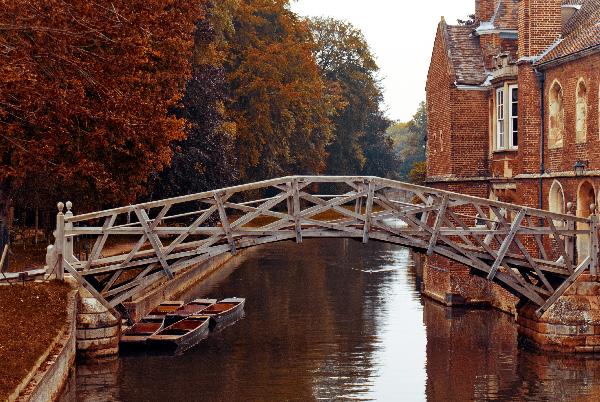
Punting on the River Cam:The quintessential Cambridge activity. Glide past the “Backs” – the beautiful gardens and rear views of the colleges.
King’s College Chapel:A masterpiece of English Gothic architecture, renowned for its magnificent fan-vaulted ceiling and stained glass windows.
The Fitzwilliam Museum:A superb art and antiquities museum with free entry.
Explore the Colleges:Wander through historic colleges like Trinity, St John’s, and Queen’s (check individual college websites for public opening hours and fees).
A Final Night in London
The journey concludes back in London. This is an opportunity for last-minute souvenir shopping, seeing a show, or enjoying a farewell dinner at a restaurant you’ve been eager to try. Reflect on a trip that has spanned centuries of history, diverse cultures, and some of the most stunning landscapes the United Kingdom has to offer.
Crucial Practical Information
Transportation Summary
Train:The most scenic and convenient way to travel between cities. Book tickets in advance on sites like Trainline or National Rail for significant savings. Consider a BritRail Pass for flexibility.
Car Rental:Essential for exploring the Scottish Highlands and Lake District in depth. Remember to drive on the left.
Coach/Bus:A cheaper but slower alternative to trains, with services like National Express and Megabus.
Internal Flights:Useful for covering long distances quickly (e.g., from London to Edinburgh), but less scenic and environmentally impactful.
Cultural Insights & Etiquette
Tipping:A 10-15% tip is customary in restaurants if service isn’t included. Tipping in pubs is not standard. For taxis, round up the fare.
Queuing:The British take queuing (standing in line) very seriously. Always wait your turn.
Pub Culture:Pubs are social hubs. It’s common to order food and drinks at the bar. Table service is becoming more common but is not universal.
“Sorry” and “Thank You”: Politeness is highly valued. These phrases are used frequently.