A Comprehensive Travel Guide: Lisbon and the Magical Day Trip to Sintra
Portugal’s capital, Lisbon, and its nearby fairy-tale town of Sintra offer one of Europe’s most captivating travel experiences. This guide provides a detailed itinerary and essential information for exploring Lisbon’s vibrant streets and embarking on an unforgettable day trip to the palaces and cliffs of Sintra, including the Pena Palace, Quinta da Regaleira, and the dramatic Cabo da Roca.
Part 1: Lisbon – The City of Seven Hills
Lisbon, built on a series of hills overlooking the Tagus River, is a city of captivating contrasts. Its iconic yellow trams rattle up steep, cobbled streets, past buildings adorned with colorful
azulejo tiles, while the sound of Fado music echoes from traditional taverns. A blend of historic charm and contemporary cool, Lisbon is the perfect starting point for any Portuguese adventure.
Key Attractions in Lisbon
Alfama District: Get lost in the labyrinthine streets of Lisbon’s oldest neighborhood. This historic quarter survived the 1755 earthquake and is a maze of narrow alleys, hidden courtyards, and stunning viewpoints (miradouros) like Miradouro de Santa Luzia and Miradouro das Portas do Sol.
Belém Tower (Torre de Belém): A UNESCO World Heritage site and iconic symbol of Portugal’s Age of Discoveries. This fortified tower stands where explorers like Vasco da Gama set sail.
Jerónimos Monastery (Mosteiro dos Jerónimos): Another UNESCO masterpiece in Belém, this monastery is a stunning example of Manueline architecture. The cloisters are particularly breathtaking.
Praça do Comércio: Lisbon’s grand riverside square, flanked by elegant yellow buildings and home to the Arco da Rua Augusta, which offers fantastic views from the top.
LX Factory: A revitalized industrial complex under the Ponte 25 de Abril bridge, now a hub for trendy shops, art galleries, restaurants, and the famous Ler Devagar bookstore.
Lisbon Food & Drink Recommendations
Portuguese cuisine is a highlight of any visit. In Lisbon, be sure to try:
Pastéis de Belém: The original and most famous custard tarts, a secret recipe since 1837. Best enjoyed warm with a sprinkle of cinnamon and powdered sugar at the Antiga Confeitaria de Belém.
Bacalhau: Dried and salted codfish, a national obsession prepared in hundreds of ways. Try Bacalhau à Brás (shredded cod with onions, potatoes, and eggs).
Sardinhas Assadas: Grilled sardines, especially popular during the Festas de Santos Populares in June.
Ginjinha: A sweet cherry liqueur, often served in a small chocolate cup. A shot from a tiny shop in Rossio Square is a must.
Time Out Market: A food hall in Cais do Sodré where some of Lisbon’s best chefs and vendors have stalls, offering a fantastic variety of local and international dishes.
Transportation in Lisbon
Metro: Efficient and clean, the metro is the best way to cover longer distances. Consider purchasing a reusable Viva Viagem card.
Tram 28: The famous yellow tram route that winds through historic neighborhoods like Alfama, Graça, and Baixa. It’s a tourist attraction in itself but can be very crowded.
Ride-Sharing & Taxis: Uber and Bolt are widely available and relatively inexpensive.
Walking: The best way to discover the city’s hidden gems, but be prepared for steep hills.
Accommodation Tips for Lisbon
For first-time visitors, central neighborhoods like Baixa, Chiado, and Alfama offer proximity to major sights. For a more local and trendy vibe, consider Príncipe Real or Santos. Bairro Alto is known for its nightlife. Booking well in advance is highly recommended, especially during peak season.
Part 2: The Sintra Day Trip – A Journey into a Fairy Tale
Sintra, a UNESCO World Heritage site, is a mere 30-minute train ride from Lisbon but feels like a different world. Nestled in the lush Sintra Mountains, it is a place of romanticist architecture, mysterious gardens, and enchanting palaces.
Getting to Sintra from Lisbon
The easiest and most economical way to reach Sintra is by train. The “Comboios de Portugal” (CP) service departs regularly from Lisbon’s Rossio Station, arriving at Sintra Station. The journey is scenic and takes about 40 minutes. It is highly advised to start early (take a train before 8:00 AM) to avoid the largest crowds.
Getting Around Sintra
Sintra’s attractions are spread out across the mountain. Walking between them is possible but involves very steep climbs and can be time-consuming. The most efficient options are:
Scotturb Buses: The hop-on-hop-off bus circuit 434 serves the historic center, the Moorish Castle, and Pena Palace. Circuit 435 goes to Quinta da Regaleira and Monserrate.
Tuk-Tuks: A fun and flexible way to navigate the narrow roads, though more expensive than the bus.
Ride-Sharing: Uber and Bolt operate in Sintra and can be a convenient option for direct point-to-point travel.
The Sintra Itinerary: Key Attractions
Pena National Palace (Palácio Nacional da Pena)
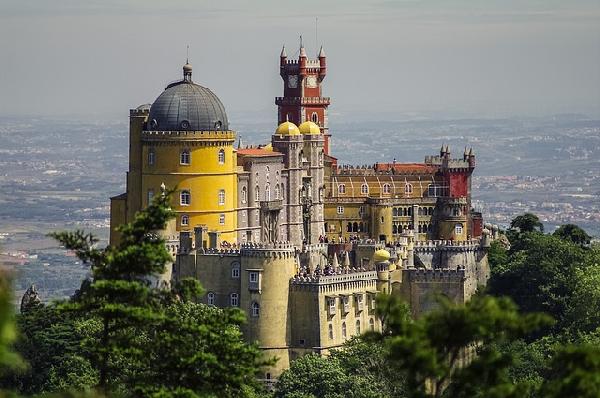
Perched atop the Sintra Mountains, Pena Palace is the crown jewel of Sintra and a spectacular example of 19th-century Romanticism. Its vibrant red and yellow colors, eclectic mix of architectural styles (Manueline, Moorish, Gothic), and whimsical details make it look like it’s straight out of a Disney movie.
Highlights: The stunning exterior is the main attraction. Explore the richly decorated interiors, the chapel with its alabaster altarpiece, and the expansive terrace with panoramic views. The surrounding Pena Park is a vast forested area with winding paths, hidden gazebos, and exotic trees.
Visitor Tip: Purchase tickets online in advance to skip the long ticket queues (though you may still queue for the palace entrance). The walk from the bus stop to the palace entrance is uphill; a paid shuttle bus is available.
Quinta da Regaleira
A short walk from Sintra’s historic center lies Quinta da Regaleira, a palace and estate that is perhaps Sintra’s most mysterious and enchanting site. Created by Italian opera-set designer Luigi Manini for Carvalho Monteiro, it is filled with symbols related to alchemy, Masonry, and the Knights Templar.
Highlights: The iconic Initiation Well (Poço Iniciático), a subterranean tower with a spiral staircase leading down to underground tunnels. The palace itself, the lush gardens with fountains, grottoes, and cryptic constructions like the Chapel of the Holy Trinity.
Visitor Tip: Allow at least 2-3 hours to fully explore the gardens. Wear comfortable shoes for climbing stairs and navigating uneven paths. Getting “lost” in the tunnels and grottoes is part of the fun.
Cabo da Roca (Roca Cape)
After exploring the palaces, take a bus (Scotturb 403) from Sintra station to Cabo da Roca, the westernmost point of mainland Europe. Here, the continent dramatically meets the Atlantic Ocean with towering cliffs, powerful winds, and breathtaking views.
Highlights: The stone monument with a cross that marks the geographic location (“Where the land ends and the sea begins”). The lighthouse and the sheer drop of the cliffs into the roaring ocean below.
Visitor Tip: It is almost always windy, so bring a jacket. The sunset here is spectacular if your schedule allows. The bus 403 continues to the beautiful beach town of Cascais, from where you can take a train back to Lisbon.
Sintra Food & Cultural Insights
Sintra has its own culinary specialties. Don’t miss the
Travesseiro de Sintra, a light, flaky puff pastry pillow filled with almond cream. The Queijadas de Sintra are small, sweet cheesecakes with a long history. For lunch, consider a traditional Portuguese meal in one of the tiled restaurants in the historic center.
Culturally, Sintra’s landscape represents the Romantic ideal of harmonizing nature with man-made beauty. The 19th-century aristocracy built these extravagant palaces as summer retreats to escape the city heat, creating a unique concentration of architectural fantasy that continues to captivate visitors today.
A Sample One-Day Itinerary from Lisbon
7:30 AM: Take an early train from Rossio Station to Sintra.
8:15 AM: Arrive at Sintra Station. Purchase a bus ticket for circuit 434.
9:00 AM – 11:30 AM: Visit Pena Palace and Park (pre-booked tickets).
12:00 PM – 2:30 PM: Explore Quinta da Regaleira (a short walk or bus ride from the historic center).
2:30 PM – 3:00 PM: Grab a quick lunch and try a Travesseiro in Sintra Village.
3:15 PM: Take bus 403 from Sintra station to Cabo da Roca.
4:00 PM – 5:00 PM: Experience Cabo da Roca.
5:15 PM: Take bus 403 from Cabo da Roca to Cascais.
6:00 PM – 7:30 PM: Stroll through Cascais before taking the train back to Lisbon’s Cais do Sodré station.
Note: This is an ambitious itinerary. To reduce rushing, consider focusing on just two main Sintra attractions.
Practical Tips for Your Journey
Tickets: Book tickets for Pena Palace online weeks in advance, especially for peak season. A combined ticket for Pena Park and Palace is available.
Shoes: Comfortable, sturdy walking shoes are non-negotiable for both Lisbon’s cobblestones and Sintra’s hills and gardens.
Crowds: Sintra is extremely popular. An early start is the best strategy to enjoy the sites with slightly smaller crowds.
Suntan Lotion & Water: Stay hydrated and protected from the sun, even on cloudy days.
The Lisboa Card: Consider if this tourist pass makes financial sense for your plans, as it covers Lisbon public transport (including the train to Sintra) and entry to many attractions like Jerónimos Monastery.
A journey from Lisbon to Sintra is more than just a day trip; it’s a passage from a vibrant urban landscape to a realm of architectural fantasy and raw natural beauty. With careful planning, this experience will undoubtedly be a highlight of any trip to Portugal.