A Comprehensive Travel Guide: Belgrade, Drina River House, Šargan Eight Railway, and Drvengrad
This guide details a classic Serbian road trip loop, taking travelers from the vibrant capital of Belgrade into the serene and picturesque landscapes of Western Serbia. The journey encompasses unique attractions that showcase the country’s resilience, natural beauty, and creative spirit. It is an itinerary perfect for those looking to experience both urban energy and rustic charm.
Introduction to the Itinerary
The proposed route is a multi-day journey starting and ending in Belgrade. The core attractions are spread across western Serbia, requiring at least two to three days for a comfortable and enjoyable trip. The key stops include:
Belgrade (Beograd): The bustling capital on the confluence of the Danube and Sava rivers.
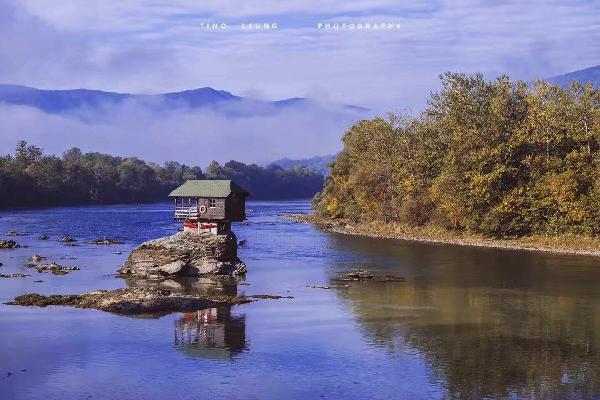
House on the Drina (Kućica na Drini): The iconic solitary cabin perched on a rock in the middle of the Drina River, near Bajina Bašta.
Šargan Eight Railway (Šarganska osmica): A historic narrow-gauge railway offering a spectacular scenic ride through the mountains.
Drvengrad (Wooden Town) / Mećavnik: An ethno-village created by famous film director Emir Kusturica, located near Mokra Gora.
The most efficient way to complete this itinerary is by rental car, offering flexibility to explore at one’s own pace. Alternatively, a combination of buses and organized tours is possible, though less flexible.
Chapter 1: Belgrade – The White City
Belgrade, one of Europe’s oldest cities, is a dynamic metropolis known for its vibrant nightlife, rich history, and resilient spirit. Situated at the confluence of the Sava and Danube rivers, it serves as the cultural and economic heart of Serbia.
Key Attractions in Belgrade
Belgrade Fortress (Kalemegdan): This sprawling fortress complex is the city’s most important historical site. It offers breathtaking views of the confluence of the Sava and Danube rivers. Within its walls, visitors find museums, churches, parks, and the iconic Pobednik (Victor) monument.
Skadarlija: Belgrade’s bohemian quarter, a cobblestone street reminiscent of Paris’s Montmartre. Lined with traditional restaurants (kafanas), it’s the perfect place to experience live music, enjoy local cuisine, and soak in a nostalgic atmosphere.
Saint Sava Temple (Hram Svetog Save): One of the largest Orthodox churches in the world, this monumental building is a key landmark. Its stunning white marble and granite exterior is matched by the opulent, recently completed interior mosaics.
Nikola Tesla Museum: Dedicated to the famous inventor and scientist, this interactive museum houses his personal items and scientific exhibits. It’s a fascinating visit for science enthusiasts.
Ada Ciganlija: A river peninsula turned into Belgraders’ favorite recreational zone. Often called “Belgrade’s Sea,” it offers swimming, sports facilities, cafes, and restaurants.
Food and Drink in Belgrade
Serbian cuisine is hearty, meat-centric, and flavorful. Key dishes to try in Belgrade include:
Pljeskavica: A large, spiced meat patty often considered the national dish. Served with onions, kajmak (a creamy dairy product), and sometimes in a flatbread (lepinja).
Ćevapi: Small, grilled minced meat sausages, typically served in groups of five or ten with lepinja and chopped onions.
Sarma: Cabbage rolls filled with minced meat and rice, a staple during winter and festivities.
Karađorđeva Šnicla: A rolled veal or pork steak stuffed with kajmak, breaded, and fried, typically served with tartar sauce and potatoes.
Rakija: A potent fruit brandy that is the national drink. Šljivovica (plum brandy) is the most common variety.
For an authentic experience, dine at a traditional
kafana in Skadarlija or Zemun.
Transportation in Belgrade
Belgrade has an extensive public transportation system including buses, trams, and trolleybuses. Tickets can be purchased at kiosks or via SMS. Taxis are plentiful and relatively affordable; it is advisable to use reputable companies or ride-hailing apps like Car:Go. The city center is very walkable.
Accommodation Tips for Belgrade
Staying in neighborhoods like Stari Grad (Old Town), Vračar, or Dorćol places visitors within walking distance of major attractions, restaurants, and nightlife. For a quieter stay with beautiful river views, consider the municipality of Zemun.
Chapter 2: The House on the Drina – A Symbol of Resilience
The journey from Belgrade to the House on the Drina is approximately 180 kilometers (112 miles) and takes about 2.5 to 3 hours by car. The route heads southwest towards the town of Bajina Bašta.
The Story of the Cabin
The House on the Drina is a small, wooden cabin built on a rock in the middle of the Drina River. Its story began in 1968 when a group of local boys, seeking a private sunbathing spot, constructed the initial platform. Over the decades, the cabin has been destroyed by floods multiple times, but each time the locals, viewing it as a symbol of their identity and perseverance, have rebuilt it. Its international fame was cemented when it was featured as National Geographic’s photo of the day in 2012.
Visiting the Attraction
The cabin itself is not accessible for entry; its beauty lies in observing it from the riverbank. The best viewing spot is from the main road near the town of Bajina Bašta. There is a small parking area and a viewing platform. The sight is particularly magical at sunrise or sunset when the light reflects off the river and the surrounding mountains. While there are no official tours of the cabin, several local operators in Bajina Bašta offer boat tours on the Drina that provide a closer look.
Nearby Attractions
Tara National Park: A short drive from Bajina Bašta, this national park offers stunning mountain scenery, hiking trails, and viewpoints like Banjska Stena, which provides a panoramic view of the Drina River Canyon.
Rača Monastery: A 13th-century Serbian Orthodox monastery located at the foot of Tara Mountain, known for its historical significance and peaceful setting.
Chapter 3: The Šargan Eight Railway – A Journey Back in Time
From Bajina Bašta, the route continues south towards Mokra Gora, a drive of about 60 kilometers (37 miles) through beautiful mountainous terrain. This is where one finds the famous Šargan Eight Railway.
History of the Railway
The narrow-gauge Šargan Eight railway was originally part of a longer line connecting Serbia to Bosnia and Herzegovina. Built between 1921 and 1925, it was an engineering marvel of its time. Its name comes from the series of tight loops and tunnels that form a figure “8” when viewed from above, allowing the train to climb the steep Šargan mountain pass. The line was closed in 1974 but was restored as a tourist attraction in 2003.
The Train Ride Experience
The tourist train operates on a section of the original track between Šargan Vitasi station and Mokra Gora station. The ride lasts about 2-2.5 hours for a round trip, including a short stop at the highest point. The train consists of old-fashioned steam or diesel locomotives pulling vintage wooden carriages. The journey is slow and leisurely, offering passengers unparalleled views of the lush green valleys, deep gorges, and forested hills of the Dinaric Alps. The train chugs through 22 tunnels and over several bridges, making it a delightful experience for children and train enthusiasts alike.
Practical Information: It is highly recommended to check the timetable and book tickets in advance online or at the station, especially during peak season (summer and weekends).
Chapter 4: Drvengrad (Wooden Town) – Kusturica’s Dream Village
Drvengrad is located immediately next to the Mokra Gora station of the Šargan Eight Railway, making it a seamless addition to the day’s itinerary.
The Concept of Drvengrad
Drvengrad, meaning “Wooden Town,” is an ethno-village built by acclaimed film director Emir Kusturica for his film
Life is a Miracle. It is a picturesque collection of traditional wooden houses set on a hillside. The village is a realization of Kusturica’s idealistic vision, blending authentic Serbian architecture with whimsical touches. The streets are named after famous people he admires, such as Nikola Tesla, Ivo Andrić, and Diego Maradona.
What to See and Do in Drvengrad
Explore the Village: Wander through the charming streets, visit the small wooden church of St. Sava, see the art gallery and cinema, and admire the traditional craftsmanship.
Accommodation and Dining: Visitors can stay in one of the wooden bungalows for a unique overnight experience. The village has several restaurants serving excellent Serbian cuisine made from local ingredients.
Festivals: Drvengrad hosts the annual Küstendorf Film and Music Festival in January, attracting international artists and filmmakers.
Cable Car to Mećavnik Hill: A cable car connects Drvengrad to the summit of Mećavnik Hill, offering spectacular aerial views of the surrounding mountains and valleys.
Chapter 5: Practical Travel Information for the Loop
Recommended Itinerary
Day 1: Explore Belgrade. Visit Kalemegdan Fortress, Saint Sava Temple, and enjoy an evening in Skadarlija. Overnight in Belgrade.
Day 2: Pick up rental car in the morning. Drive to Bajina Bašta to see the House on the Drina. Afterward, continue to Tara National Park for hiking and viewpoints. Overnight in a guesthouse on Tara or in Mokra Gora.
Day 3: Experience the Šargan Eight Railway in the morning. Spend the afternoon exploring Drvengrad. Option to stay another night in Mokra Gora or begin the drive back to Belgrade (approx. 3.5 hours).
Transportation: Car Rental vs. Public Transport
By Car (Recommended): Renting a car in Belgrade provides maximum flexibility. The roads to western Serbia are generally good, though some are winding mountain roads. Ensure you have a valid driver’s license and purchase the mandatory vignette (toll sticker) at petrol stations when entering highways.
By Public Transport: This is more challenging but feasible.
Buses run from Belgrade to Bajina Bašta and Užice (the largest city near Mokra Gora). From Užice or Bajina Bašta, local buses or taxis are required to reach Mokra Gora, Drvengrad, and the railway. This option requires careful planning around limited bus schedules.
Accommodation Along the Route
Mokra Gora / Drvengrad: Offers unique stays in ethno-villages and wooden lodges. This is an ideal place to immerse oneself in nature.
Tara National Park: Features numerous mountain lodges, villas, and family-run guesthouses offering peace and authentic home-cooked meals.
Bajina Bašta: A town with standard hotels and guesthouses, convenient for visiting the River House and Tara National Park.
Cultural Insights and Etiquette
Hospitality: Serbians are known for their warm hospitality. It is common to be offered a drink (like rakija or coffee) when visiting someone’s home or even a shop.
Religion: The majority are Serbian Orthodox. When visiting churches or monasteries, modest dress is expected (covered shoulders and knees for both men and women).
Coffee Culture: Drinking coffee is a social ritual. Inviting someone for coffee can be a lengthy affair involving conversation that lasts for hours.
Tipping: Tipping is appreciated but not always mandatory. In restaurants, rounding up the bill or leaving 5-10% is customary for good service.
Conclusion
The journey from Belgrade to the House on the Drina, Šargan Eight Railway, and Drvengrad encapsulates the diverse soul of Serbia. It moves from urban energy to natural serenity, from symbols of human resilience to feats of engineering and artistic creation. This road trip offers more than just sightseeing; it provides deep cultural immersion and unforgettable memories of Serbia’s heartland. With careful planning and an adventurous spirit, travelers will discover a country rich in history, natural beauty, and genuine warmth.