A Comprehensive Travel Guide: Athens, Peloponnese, Zakynthos, Mycenae, and Santorini
This itinerary offers a quintessential Greek experience, blending the ancient wonders of the mainland with the iconic beauty of the Aegean and Ionian seas. Travelers will journey through millennia of history, from the birthplace of democracy to the heart of Mycenaean civilization, before unwinding on world-famous beaches and caldera-view villages. This guide provides a detailed roadmap for an unforgettable adventure across this diverse and captivating region.
Part 1: Athens – The Cradle of Western Civilization
Athens, the historical capital of Europe, is a vibrant metropolis where ancient monuments seamlessly coexist with a modern urban landscape. It is the perfect starting point for any Greek odyssey.
Top Attractions in Athens
The Acropolis and Parthenon: The iconic symbol of Greece and ancient civilization. Visitors should purchase a combo ticket for access to the Acropolis and six other archaeological sites. It is best visited early in the morning or late in the afternoon to avoid crowds and the midday heat.
Acropolis Museum: A state-of-the-art museum housing the treasures found on the Acropolis slope. Its glass floors reveal ruins below, and the top-floor Parthenon Gallery offers a breathtaking view of the temple.
Ancient Agora: The heart of ancient Athenian public life, where Socrates philosophized and democracy was nurtured. The beautifully preserved Temple of Hephaestus dominates the site.
Plaka and Anafiotika: Wandering through the labyrinthine, neoclassical streets of Plaka, with its shops and tavernas, is a must. Above it lies Anafiotika, a tiny, whitewashed neighborhood with a distinct Cycladic feel.
National Archaeological Museum: Home to the world’s richest collection of artifacts from Greek antiquity, including the Mask of Agamemnon and the Antikythera Mechanism.
Athenian Cuisine
Athens is a culinary paradise. Beyond the tourist traps of Plaka, explore areas like Psiri, Koukaki, and Pangrati for authentic experiences.
Must-Try Dishes: Souvlaki (grilled meat skewers), Moussaka (eggplant and meat casserole), Horiatiki (traditional Greek salad), and fresh grilled fish.
Food Experiences: Visit the Central Market (Varvakios Agora) for a sensory overload. Enjoy meze (small shared plates) at a traditional ouzeri with a glass of ouzo.
Transportation in Athens
Athens has an efficient public transport system. The metro is clean, fast, and connects the airport and port to the city center. A multi-day tourist ticket can be cost-effective. Taxis and ride-sharing apps are also readily available.
Accommodation Tips
Staying in neighborhoods like Plaka, Syntagma, or Koukaki offers proximity to major sites. For a more local vibe, consider Kolonaki (upscale) or Metaxourgeio (emerging arts district).
Part 2: The Peloponnese – A Journey into Myth and History
A road trip through the Peloponnese peninsula reveals a rugged landscape steeped in mythology, dotted with ancient ruins, Byzantine towns, and stunning coastline.
Key Destinations in the Peloponnese
Corinth Canal: A dramatic man-made canal separating the Peloponnese from mainland Greece. It’s a perfect first stop for a photo opportunity.
Epidaurus: Famous for its incredibly well-preserved ancient theatre with near-perfect acoustics. Even a whisper from the stage can be heard in the top rows.
Nafplio: Often called Greece’s most beautiful city, Nafplio is a charming seaside town with Venetian architecture, a fortress (Palamidi) overlooking the town, and picturesque alleyways filled with cafes.
Peloponnesian Cuisine
The region is known for its hearty cuisine and excellent local produce.
Must-Try Dishes: Lagoto (slow-cooked rabbit stew with onions), fresh figs and oranges from Argolis, and local olive oil.
Transportation in the Peloponnese
The most flexible way to explore the Peloponnese is by renting a car. The national road is in good condition, and a car allows for stops at lesser-known sites and beaches. KTEL buses connect major towns but offer less flexibility.
Part 3: Zakynthos Island – The Ionian Gem
From the Peloponnese, travelers can take a ferry to Zakynthos (Zante), an Ionian island famed for its stunning turquoise waters, dramatic cliffs, and vibrant nightlife.
Top Attractions in Zakynthos
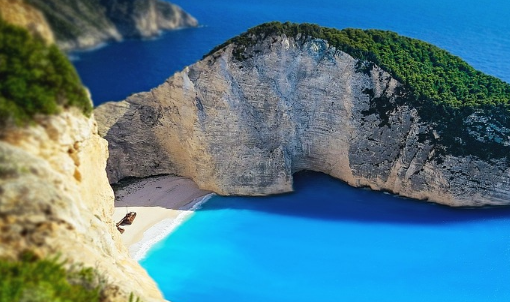
Navagio (Shipwreck) Beach: The world-famous cove accessible only by boat, featuring a shipwreck on a white pebble beach surrounded by towering cliffs. Boat tours depart from various ports on the island.
Blue Caves: Located on Cape Skinari, these sea caves are known for their mesmerizing blue light, created by the sun’s reflection in the water. Small boats can enter the caves.
Caretta-Caretta Turtles: Laganas Bay is a major nesting ground for the loggerhead sea turtle. Visitors can take responsible turtle-watching boat tours that respect the protected habitat.
Kerio: A less crowded alternative to Navagio, this area features a dramatic rock formation in the sea that you can swim to and explore.
Zakynthian Cuisine
The cuisine has Italian influences, reflecting Venetian rule.
Must-Try Dishes: Bourdeto (a spicy fish stew), Sartsa (a meat and vegetable dish baked in a pottery pot), and local olive oil and honey.
Transportation on Zakynthos
Renting a car, scooter, or ATV is highly recommended to explore the island’s diverse beaches and mountainous interior. Public buses mainly serve the route between Laganas and Zakynthos Town.
Accommodation Tips
For families and relaxation, consider Vasilikos or Tsilivi. For nightlife, Laganas is the epicenter. Zakynthos Town offers a balance of amenities and character.
Part 4: Mycenae – The Kingdom of Agamemnon
Returning to the mainland from Zakynthos (likely via Kyllini port to the Peloponnese), a visit to Mycenae is a journey to the heart of Homeric epic.
The Archaeological Site of Mycenae
The Lion Gate: The monumental entrance to the citadel, topped with two lionesses in heraldic pose—Europe’s oldest known monumental sculpture.
The Royal Tombs (Grave Circle A): Where Heinrich Schliemann discovered magnificent gold artifacts, including the so-called “Mask of Agamemnon.”
The Palace Complex: The remains of the great megaron (throne room) and royal quarters offer panoramic views of the Argolid plain.
Treasury of Atreus: A magnificent beehive-shaped tholos tomb located just outside the citadel walls, demonstrating the advanced engineering skills of the Mycenaeans.
Cultural Insight
Mycenae was the center of the Mycenaean civilization (c. 1600-1100 BC), which dominated mainland Greece and provided the historical backdrop for Homer’s *Iliad* and *Odyssey*. Walking among these massive “Cyclopean” walls evokes the power of legendary kings like Agamemnon.
Part 5: Return to Athens and Departure for Santorini
After exploring Mycenae, it’s a straightforward drive back to Athens to return rental cars and prepare for the next leg of the journey. From Athens, travelers take a ferry or flight to Santorini.
Athens to Santorini Transportation
Ferry: The most scenic option. High-speed ferries take 4-5 hours from Piraeus port, while conventional ferries take 7-9 hours. It’s advisable to book tickets in advance, especially during peak season.
Flight: A quick 45-minute flight from Athens International Airport (ATH). This is the best option for those short on time.
Part 6: Santorini – The Jewel of the Aegean
Santorini is a volcanic island renowned for its dramatic views, whitewashed villages clinging to cliffs, and spectacular sunsets.
Top Attractions in Santorini
Oia: The iconic village famous for its blue-domed churches, windmills, and arguably the most famous sunset in the world. Arrive early to secure a good viewing spot.
Fira: The bustling capital, perched on the caldera edge. It’s filled with shops, restaurants, museums, and is the starting point for the cable car down to the old port.
Akrotiri Archaeological Site: A Minoan Bronze Age settlement buried by volcanic ash around 1600 BC, often compared to Pompeii. It offers incredible insight into an advanced prehistoric civilization.
Red Beach and Kamari Beach: The Red Beach is famous for its unique red volcanic cliffs, while Kamari is a popular black sand beach with a long promenade of bars and restaurants.
Caldera Boat Tour: A must-do experience. Tours typically include visits to the volcanic islands in the center of the caldera, hot springs for a swim, and Thirassia island.
Winery Tours: Santorini is known for its unique Assyrtiko wine, grown in low-lying basket vines. Visit traditional wineries for tastings paired with local delicacies.
Santorini Cuisine
The volcanic soil and sea influence the local cuisine.
Must-Try Dishes: Fava (yellow split pea puree), Tomatokeftedes (tomato fritters), Chloro cheese (fresh goat cheese), and fresh seafood. White eggplant is a local specialty.
Dining Experience: For a memorable meal, book a table at a caldera-view restaurant in Oia or Imerovigli for sunset.
Transportation on Santorini
The island has a reliable local bus service connecting Fira to major towns like Oia, Kamari, and Akrotiri. Renting an ATV or car provides freedom but be prepared for narrow roads and limited parking in peak season. Taxis are available but can be expensive.
Accommodation Tips
Santorini offers a range of accommodations, but its famous caldera-view hotels are a highlight.
Caldera View: Oia, Fira, and Imerovigli offer the most spectacular views. Expect premium prices for cave houses and suites with private pools or jacuzzis overlooking the volcano.
Beach Access: For a more standard beach holiday at a lower cost, stay in Kamari or Perissa.
A Note on Cultural Etiquette and Practical Tips
Dress Code: Modest dress (covering shoulders and knees) is required when visiting monasteries and some churches.
Tipping: Service charge is often included in restaurant bills, but it’s customary to leave a small extra tip (5-10%) for good service. Round up taxi fares.
“Greek Time”: Life moves at a more relaxed pace. Be patient in restaurants and shops.
Siesta: Many smaller shops close in the afternoon (roughly 2-5 pm), especially outside major tourist centers.
Best Time to Visit: Late spring (May-June) and early autumn (September-October) offer ideal weather, fewer crowds, and better prices than the peak July-August season.
This comprehensive itinerary through Athens, the Peloponnese, Zakynthos, Mycenae, and Santorini captures the essence of Greece—a country where ancient history is alive, landscapes are breathtakingly diverse, and hospitality is a way of life. With careful planning using this guide, travelers are set for an epic journey they will cherish forever.