A Comprehensive Travel Guide: Athens, Peloponnese, Zakynthos, and Mycenae
This guide outlines a classic Greek itinerary, blending the profound historical heritage of the mainland with the stunning Ionian Sea coastline. The journey is a perfect mix of ancient wonders, rugged landscapes, and azure waters, offering travelers a deep dive into the heart of Greek culture, mythology, and natural beauty.
Trip Overview and Itinerary
This circular route typically spans 10-14 days, allowing for a thorough exploration without being overly rushed. The suggested flow is: Start in
Athens (2-3 days), then rent a car to explore the Peloponnese peninsula, visiting ancient Mycenae, before heading to the port of Kyllini to catch a ferry to Zakynthos Island (3-4 days). Return to the mainland via ferry and drive back to Athens for departure. This plan requires a rental car for maximum flexibility on the mainland.
Chapter 1: Athens – The Cradle of Western Civilization
Athens, the historical capital of Europe, is a vibrant metropolis where ancient ruins stand in the shadow of modern structures. It is the essential starting point for any Greek odyssey.
Main Attractions
The Acropolis and Parthenon: The iconic citadel perched atop a rocky hill, dominated by the Parthenon temple dedicated to the goddess Athena. It is the quintessential symbol of Ancient Greece. Visitors should purchase a combined ticket for access to multiple archaeological sites.
Acropolis Museum: A state-of-the-art museum housing artifacts found on the Acropolis rock. Its glass floors reveal ruins below, and the top-floor Parthenon Gallery offers a breathtaking view of the temple.
Ancient Agora: The heart of ancient Athenian public life, where Socrates philosophized and St. Paul preached. The beautifully preserved Temple of Hephaestus stands here.
Plaka and Anafiotika: The old historical neighborhoods winding around the base of the Acropolis. With narrow, labyrinthine streets lined with neoclassical houses, tavernas, and shops, Plaka and the island-style Anafiotika offer a charming, picturesque atmosphere.
National Archaeological Museum: Home to the world’s richest collection of artifacts from Greek antiquity, including the Mask of Agamemnon and the Antikythera mechanism.
Food & Drink
Athenian cuisine is a gateway to Greek gastronomy. Must-try dishes include:
Souvlaki/Gyros: Grilled meat (pork or chicken) wrapped in pita bread with tomato, onion, tzatziki, and fries. A quintessential street food.
Moussaka: An iconic baked casserole with layers of eggplant, minced meat, and creamy béchamel sauce.
Horiatiki (Greek Salad): A simple salad of tomato, cucumber, onion, feta cheese, and olives, dressed with olive oil and oregano.
Fresh Seafood: Enjoy grilled octopus, fried calamari, or barbouni (red mullet) in the Mikrolimano or Piraeus port areas.
For a true local experience, explore the central market (Varvakios Agora) and dine in a traditional taverna in the Psiri or Metaxourgeio districts.
Transportation
Athens has an efficient public transport system. The metro is clean, fast, and connects the airport and port to the city center. Key stops include “Acropolis,” “Syntagma,” and “Monastiraki.” The Athens International Airport (ATH) is the main air gateway. For exploring the city center, walking is often the best option.
Accommodation Tips
Staying in Plaka, Monastiraki, or Syntagma Square offers proximity to major sites and a vibrant atmosphere. For a more relaxed, upscale neighborhood, consider Kolonaki. Koukaki is a popular, trendy area close to the Acropolis Museum with many boutique hotels and cafes.
Chapter 2: The Peloponnese Peninsula – A Land of Myths and Legends
Leaving Athens, a drive across the Corinth Canal separates mainland Greece from the Peloponnese. This region is a vast open-air museum of classical ruins, Byzantine castles, and stunning coastal scenery.
Main Attractions
Corinth Canal: A dramatic man-made canal cut through solid rock, creating a narrow waterway between the Saronic and Corinthian Gulfs. It’s worth a brief stop to view from the bridge.
Ancient Corinth: Explore the ruins of one of antiquity’s most powerful and wealthy city-states. Highlights include the Temple of Apollo and the Bema (public platform) where St. Paul addressed the Corinthians.
Nafplio: Often used as a base for exploring the region, this is one of Greece’s most beautiful towns. Its charming old town features neoclassical mansions, cobblestone streets, and the Palamidi Fortress towering above. The Bourtzi, a small fortress on an islet, is its signature landmark.
Epidavros: Famous for its incredibly well-preserved ancient theatre, renowned for its perfect acoustics. Even a whisper from the center of the stage can be heard in the highest tiers. The site also includes a sanctuary dedicated to Asclepius, the god of medicine.
Olympia: The birthplace of the Olympic Games. Walk through the ancient stadium where athletes competed, see the ruins of the Temple of Zeus (one of the Seven Wonders), and visit the excellent archaeological museum.
Food & Drink
The Peloponnese is a major agricultural region. Local specialties include:
Olive Oil from Kalamata: Some of the world’s finest olive oil originates here.
Kalamata Olives: Large, dark purple olives with a rich, smoky flavor.
Local Wines: The Nemea region produces robust red wines from the Agiorgitiko grape.
Tsakoniki Eggplant: A unique, long-shaped eggplant from Leonidio, often cooked in various traditional dishes.
Transportation
A rental car is highly recommended for exploring the Peloponnese. The road network is good, and driving offers unparalleled freedom to discover hidden villages and beaches. The main port for ferries to Zakynthos is Kyllini, which is easily accessible by car from most parts of the western Peloponnese.
Accommodation Tips
Nafplio offers a wide range of accommodation, from luxury hotels in historic buildings to charming guesthouses. For a more rustic experience, consider agritourism stays in the mountainous villages of Arcadia.
Chapter 3: Mycenae – The Kingdom of Agamemnon
A visit to Mycenae is a journey back to the heroic age of Greek mythology, the world of King Agamemnon who led the Greek forces in the Trojan War.
Main Attractions
The Archaeological Site of Mycenae: A UNESCO World Heritage site. Enter through the famous Lion Gate, the monumental entrance to the citadel. Inside, explore the Royal Palace, residential quarters, and the underground cistern.
Treasury of Atreus (Tomb of Agamemnon): A magnificent beehive-shaped tholos tomb located just outside the citadel walls. Its massive, corbelled dome was the largest in the world for over a millennium.
Grave Circle A: The site within the walls where Heinrich Schliemann discovered spectacular gold death masks and artifacts, including the so-called “Mask of Agamemnon,” now displayed in the National Archaeological Museum in Athens.
Mycenae Archaeological Museum: Located near the site entrance, it provides essential context with a rich collection of pottery, frescoes, jewelry, and replicas of the most famous finds.
Cultural Insights
Mycenae was the center of the Mycenaean civilization (c. 1600-1100 BC), which provides the historical setting for much of Ancient Greek literature and mythology, including Homer’s epics. The massive “Cyclopean” walls, built with enormous limestone boulders, were so impressive that later Greeks believed they were built by the mythical Cyclopes.
Practical Information
The site is located about a 90-minute drive from Athens and 30 minutes from Nafplio. It is best visited as a day trip from Nafplio or on the drive from Athens to other parts of the Peloponnese. Wear sturdy shoes as the terrain is uneven and rocky. Combine your ticket provides access to both the citadel and the Treasury of Atreus.
Chapter 4: Zakynthos Island – The Flower of the Levant
After the historical intensity of the mainland, Zakynthos (Zante) offers a stunning contrast with its turquoise waters, dramatic coastlines, and vibrant nightlife. Known for its lush vegetation and beautiful beaches, it’s a jewel of the Ionian Sea.
Main Attractions
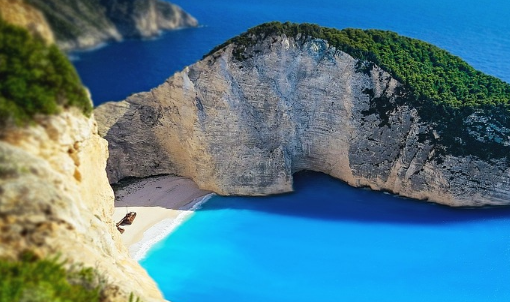
Navagio (Shipwreck) Beach: The island’s most famous landmark—an iconic cove with a rusted shipwreck on a white pebble beach, surrounded by towering limestone cliffs. It is only accessible by boat.
Blue Caves: A series of geological formations on Cape Skinari at the northern tip of the island. Boats enter the caves where sunlight reflects off the white sandy seabed, creating an astonishing electric blue color in the water.
Caretas Loggerhead Turtles: Laganas Bay is a major nesting ground for the endangered Caretta caretta turtle. Observe them from a respectful distance on a guided boat tour that adheres to protection guidelines.
Bohali Venetian Castle: Located above Zakynthos Town, this castle offers panoramic views of the town and sea. The nearby village of Bohali has traditional tavernas with stunning vistas.
Kerri Caves: Another set of impressive sea caves on the western coast, perfect for swimming and exploring by small boat.
Food & Drink
Zakynthian cuisine has strong Venetian influences.
Sartsa: A unique local dish made with layers of meat, vegetables, cheese, and pasta.
Sofigado:A sweet and sour beef stew with garlic, pearl onions, and tomato.
Fresh Fish and Seafood: Especially in coastal villages like Limni Keriou.
Skolitsa:A local liqueur made from fermented figs.
Transportation
The island is reached by ferry from Kyllini (approx. 1 hour). Once on Zakynthos, renting a car or scooter is essential to explore its diverse beaches and mountainous interior. There are also local bus services connecting Zakynthos Town with major resorts.
Accommodation Tips
Zakynthos Town offers convenience for ferries and a lively atmosphere. For beach holidays, popular areas include Tsilivi and Alykes for families, Laganas for nightlife, and Vasilikos for a more relaxed vibe with beautiful beaches like Gerakas (a protected turtle nesting area).
The Journey Back to Athens
The return leg involves taking a ferry from Zakynthos back to Kyllini port. From Kyllini, it is approximately a 3.5 to 4-hour drive back to Athens International Airport or downtown Athens. It is crucial to factor in ferry schedules and allow ample time for the drive to catch a flight; an overnight stay near Athens after returning from Zakynthos is often recommended for early morning departures.
Final Cultural Insights and Practical Tips
Language: Greek is the official language. English is widely spoken in tourist areas. Learning a few basic phrases like “Efharistó” (Thank you) and “Parakaló” (Please/You’re welcome) is appreciated.
Currency: Euro (€). Credit cards are widely accepted, but it’s wise to carry some cash for small tavernas, markets, and remote villages.
Tipping: Service charge is usually included in restaurant bills. It is customary to leave a small extra tip (5-10%) for good service. Round up taxi fares.
Siesta Time: Many smaller shops and businesses close in the afternoon (roughly 2-5 pm), especially outside major cities.
Sunscreen and Hydration:The Greek sun is intense, especially in summer. High-protection sunscreen, a hat, and constant hydration are essential.
Temple Etiquette:When visiting monasteries and churches, dress modestly (shoulders and knees covered).
Cats:Cats are ubiquitous in Greece. They are generally friendly but avoid feeding them as it contributes to overpopulation.
A journey through Athens, Mycenae, Peloponnese, and Zakynthos offers an unparalleled tapestry of experiences—from walking in the footsteps of ancient heroes to swimming in some of Europe’s most beautiful waters. It is a trip that engages the mind, delights the senses, and creates memories that last a lifetime.