Turkey Travel Guide: Istanbul, Bursa, Izmir, Ephesus, Pamukkale, Sultanhani, Cappadocia, Ankara
This guide provides an objective and comprehensive overview of a classic Turkish itinerary, covering major historical sites, cultural highlights, and practical travel information. The route spans approximately 1,500 kilometers and is best experienced over 10-14 days.
Istanbul: The Gateway Between Continents
Istanbul, straddling the Bosphorus Strait, is a metropolis where Europe and Asia meet. Formerly known as Constantinople and Byzantium, it served as the capital of the Roman, Byzantine, and Ottoman Empires. Its skyline is a mosaic of minarets, domes, and modern high-rises.
Main Attractions
Hagia Sophia (Ayasofya): A monumental 6th-century structure built as a cathedral, later a mosque, and now a museum. It is renowned for its massive dome, stunning Byzantine mosaics, and historical significance as an architectural marvel.
Sultanahmet Mosque (The Blue Mosque): An early 17th-century Ottoman imperial mosque, famous for its cascade of domes, six minarets, and hand-painted blue Iznik tiles adorning its interior.
Topkapi Palace: The primary residence of the Ottoman Sultans for nearly 400 years. The complex houses an extensive collection of artifacts, including imperial treasures, holy relics, and porcelain, set around courtyards and gardens with panoramic views of the Bosphorus.
Grand Bazaar: One of the world’s largest and oldest covered markets, with over 60 streets and 4,000 shops selling jewelry, carpets, spices, ceramics, and leather goods.
Spice Bazaar (Egyptian Bazaar): A vibrant market filled with the aromas of spices, dried fruits, nuts, and Turkish delight.
Basilica Cistern: The largest of several hundred ancient cisterns lying beneath the city. This subterranean chamber, supported by 336 marble columns, offers a serene and atmospheric visit.
Bosphorus Cruise: A boat tour along the strait provides unparalleled views of palaces, mosques, and wooden villas (yalıs) lining the European and Asian shores.
Practical Information for Istanbul
Getting There & Away: Istanbul Airport (IST) and Sabiha Gökçen Airport (SAW) are major international hubs. High-speed trains connect to Ankara. Intercity buses depart from the Esenler or Harem bus stations.
Getting Around: The city has an extensive public transport network including metro, tram, funicular, and ferries. An Istanbulkart is a rechargeable card for discounted fares.
Accommodation: Options range from hostels in Sultanahmet to luxury hotels in Taksim and Nişantaşı.
Suggested Stay: 3-4 days.
Bursa: The First Ottoman Capital
Located at the foot of Mount Uludağ, Bursa was the first major capital of the Ottoman Empire. It is known for its early Ottoman architecture, thermal baths, and as the birthplace of Iskender Kebab.
Main Attractions
Grand Mosque (Ulu Cami): A magnificent 14th-century Seljuk-style mosque with 20 domes and a large interior fountain (şadırvan).
Green Mosque (Yeşil Cami) and Green Tomb (Yeşil Türbe): Known for their exquisite turquoise and green Iznik tile work, these are masterpieces of early Ottoman architecture.
Koza Han: A historic caravanserai built in the late 15th century, central to Bursa’s silk trade. It remains a bustling center for purchasing silk products.
Mount Uludağ: A popular ski resort in winter and a national park for hiking and cable car rides in summer.
Old Town (Cumalıkızık): A well-preserved Ottoman village with cobblestone streets and historic houses, now a UNESCO World Heritage site.
Practical Information for Bursa
Getting There & Away: Bursa is easily accessible from Istanbul via a combination of ferry from Yenikapı or Pendik to Yalova or Mudanya, followed by a bus or car. The IDO ferry is a scenic option.
Getting Around: The city has a metro system (Bursaray) and buses. The historic center is best explored on foot.
Accommodation: Hotels and thermal spa resorts are available in the city center and Çekirge district.
Suggested Stay: 1-2 days.
Izmir: The Pearl of the Aegean
Izmir is Turkey’s third-largest city, a modern port city with a long history dating back to ancient Smyrna. It boasts a beautiful seafront promenade (Kordon) and a vibrant, cosmopolitan atmosphere.
Main Attractions
Kemeraltı Bazaar: A sprawling historic market offering everything from clothing and gold to traditional foods and spices.
Konak Square & Clock Tower: The clock tower is the symbol of Izmir, an ornate Ottoman structure built in 1901.
Ancient Agora of Smyrna: An open-air museum showcasing the remains of a Roman-era marketplace and basilica.
Asansör (Elevator): A historic building with an elevator constructed to connect two streets at different levels, offering excellent views of the Gulf of Izmir from the top.
Kadifekale (Velvet Castle): A castle on Mount Pagos overlooking the city, originally built by Lysimachus, a general of Alexander the Great.
Practical Information for Izmir
Getting There & Away: Izmir Adnan Menderes Airport (ADB) has domestic and international flights. It is a major hub for buses to other Aegean destinations. The train station connects to Selçuk (for Ephesus).
Getting Around: The city has a metro, buses, and ferries. The city center is walkable.
Accommodation: Options are plentiful in Alsancak and Konak districts.
Suggested Stay: 1-2 days (primarily as a base for Ephesus).
Ephesus (Efes): A Metropolis of the Ancient World
Located near the town of Selçuk, Ephesus is one of the best-preserved classical cities in the Eastern Mediterranean. It was a major Roman port city and a center of early Christianity.
Main Attractions
The Library of Celsus: An iconic two-story façade that once held thousands of scrolls. It was built as a mausoleum for the Roman Senator Tiberius Julius Celsus Polemaeanus.
The Grand Theatre: A massive structure capable of holding 25,000 spectators. It is where the Apostle Paul is said to have preached and where riots described in Acts of the Apostles took place.
Temple of Artemis: One of the Seven Wonders of the Ancient World. Today, only a single column and foundation stones remain at the site.
Terraced Houses (Hillside Houses): A separate ticketed area showcasing the homes of wealthy Ephesians, with exquisite mosaics and frescoes preserved under protective roofing.
The Arcadian Way: The grand colonnaded street that ran from the theatre to the harbor.
House of the Virgin Mary: A pilgrimage site on Mt. Koressos believed to be the final home of Mary, the mother of Jesus.
Basilica of St. John: Built by Emperor Justinian over the supposed burial site of John the Apostle.
Practical Information for Ephesus
Getting There & Away: Ephesus is most easily accessed from Selçuk or Izmir. Selçuk is a 30-minute drive from Izmir Airport. Minibuses (dolmuş) run frequently from Selçuk bus station to the lower entrance of Ephesus.
Getting Around:The archaeological site is large and requires significant walking on uneven marble and stone paths. Wear comfortable shoes.
Tickets:A combined ticket for the main site and the Terraced Houses is available. The House of Virgin Mary has a separate entrance fee.
Suggested Stay:A day trip from Izmir or an overnight stay in Selçuk.
Cappadocia: Land of Fairy Chimneys
A historical region in Central Anatolia, Cappadocia is famed for its unique geological features, known as “fairy chimneys,” vast underground cities, and rock-cut churches adorned with Byzantine frescoes.
Main Attractions
Göreme Open-Air Museum:A UNESCO World Heritage site featuring a complex of rock-cut monasteries and churches from the post-iconoclastic period (10th-12th centuries). Notable churches include the Dark Church (Karanlık Kilise) and the Buckle Church (Tokalı Kilise), with well-preserved frescoes depicting biblical scenes.
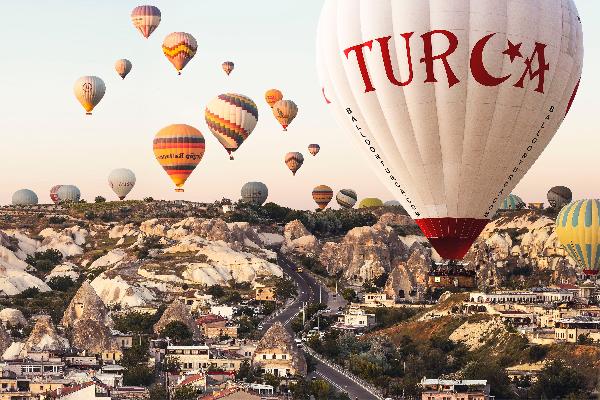
Hot Air Balloon Rides:A quintessential Cappadocia experience offering breathtaking aerial views of the valleys and fairy chimneys at sunrise.
The Valleys (Love Valley, Rose Valley, Pigeon Valley):Excellent for hiking amidst surreal rock formations. Rose Valley is particularly beautiful at sunset.
Underground Cities (Kaymaklı or Derinkuyu):Multi-level subterranean cities carved out of soft volcanic rock, used by early Christians as hiding places. They include living quarters, churches, stables, and wine presses.
Uchisar Castle:A natural rock fortress that is the highest point in Cappadocia, offering panoramic views.
Avanos:A town on the banks of the Kızılırmak River (Red River), famous for its pottery traditions dating back to Hittite times.
Zelve Open-Air Museum:An abandoned monastic settlement and one of the earliest inhabited valleys in Cappadocia.