The Ultimate Travel Guide to Malta: Valletta, Mdina, Gozo & Beyond
Malta, a sun-drenched archipelago in the heart of the Mediterranean, is a captivating blend of ancient history, stunning coastal scenery, and vibrant culture. With over 7,000 years of history, its strategic location has attracted Phoenicians, Romans, Knights of St. John, French, and British, all leaving an indelible mark on its landscape and character. This guide provides a comprehensive overview of the island’s key attractions, from the fortified capital of Valletta to the serene island of Gozo, ensuring an unforgettable travel experience.
Valletta: The Fortress City
Designated a UNESCO World Heritage Site, Valletta is one of the world’s smallest and most concentrated historic capitals. Built by the Knights of St. John following the Great Siege of 1565, the city is a masterpiece of Baroque architecture and military engineering, enclosed within massive fortifications.
Key Attractions in Valletta
St. John’s Co-Cathedral: A breathtaking example of Baroque art and architecture. Its unassuming exterior belies a lavishly decorated interior, housing Caravaggio’s masterpiece, “The Beheading of Saint John the Baptist.”
The Grandmaster’s Palace: Once the seat of the Grand Master of the Knights of St. John, this palace now houses the Office of the President of Malta and parts are open to the public as a museum, showcasing armories and state apartments.
Upper Barrakka Gardens: These gardens offer panoramic views of the Grand Harbour and the Three Cities. The Saluting Battery fires a cannon daily at noon and 4 pm.
National Museum of Archaeology: Home to a superb collection of artifacts from Malta’s prehistoric periods, including the famous “Sleeping Lady” figurine from the Ħal Saflieni Hypogeum.
Republic Street & Merchant Street: The main thoroughfares for shopping, dining, and soaking in the city’s lively atmosphere.
Food & Drink in Valletta
Valletta’s culinary scene is a mix of traditional Maltese eateries and modern international restaurants. Must-try dishes include:
Fenkata (Rabbit Stew): A national dish, often slow-cooked in wine and garlic.
Pastizzi: Flaky pastry parcels filled with ricotta or mushy peas, best enjoyed from a local pastizzeria.
Lampuki Pie: A seasonal fish pie made with dolphin fish, vegetables, and a pastry crust.
For a unique experience, visit a traditional “band club” for a casual meal and a local lager like Cisk.
Transportation & Accommodation
Valletta is a pedestrian-friendly city, though its streets are steep. The main entrance gate is well-connected by buses from all over the island. Staying within the city walls offers unparalleled access to culture but can be noisy; quieter options are available in nearby Floriana or Sliema, just a short ferry ride away.
Mdina: The Silent City
Perched on a hilltop in the heart of Malta, Mdina is a fortified medieval town that served as the island’s capital until the arrival of the Knights. Its tranquil, labyrinthine streets, devoid of cars (for most residents), are lined with noble palaces and churches, earning it the nickname “The Silent City.”
Exploring Mdina
Mdina Gate: The magnificent main gate, a popular filming location (e.g., *Game of Thrones*).
St. Paul’s Cathedral: Believed to be built on the site where Roman Governor Publius met St. Paul after his shipwreck.
Vilhena Palace: A grand Baroque palace that now houses the National Museum of Natural History.
The Bastions: Walk along the fortified walls for stunning views across Malta.
Fontanella Tea Garden: A legendary cafe famous for its cakes and panoramic views from the bastions.
The Blue Grotto
Located on the southern coast near the village of Żurrieq, the Blue Grotto is a complex of seven sea caves. The brilliant blue hues of the water, caused by sunlight reflecting off the white sandy seabed and passing through underwater caves, create a spectacular visual effect.
Visitor Experience: Small, traditional boats take visitors from the embarkation point into the caves. The best time to visit is in the morning when the sunlight is at its most dramatic. The area is also excellent for diving and snorkeling.
Dingli Cliffs
Situated on Malta’s western coast, the Dingli Cliffs offer some of the most dramatic and unspoiled scenery on the island. Rising approximately 250 meters above sea level, they provide breathtaking views of the Mediterranean and the tiny, uninhabited isle of Filfla.
Visitor Experience: This is a place for walking and contemplation. A path runs along the cliff edge, perfect for a sunset stroll. Nearby is the tiny Chapel of St. Mary Magdalene and the Bronze Age cart ruts at Clapham Junction.
Gozo Island
Often described as Malta’s greener and more rustic sister island, Gozo offers a slower pace of life. It is rich in historical sites, picturesque villages, and stunning coastal formations.
Attractions in Gozo
Victoria (Rabat): Gozo’s capital. Its Citadella is a fortified city with a history spanning from medieval times to the Baroque era, offering 360-degree views of the island.
Azure Window Site & Inland Sea: While the iconic Azure Window arch collapsed in 2017, Dwejra Bay remains a spectacular site. The Inland Sea, a lagoon connected to the sea by a narrow tunnel, is a unique swimming and diving spot.
Ġgantija Temples: A UNESCO World Heritage Site, these megalithic temples are older than Stonehenge and the Egyptian pyramids.
Ramla Bay: Known for its unique reddish-gold sand, this is considered Gozo’s best beach.
Ta’ Pinu Basilica: A major pilgrimage site set in isolated and beautiful countryside.
Getting to and Around Gozo
A 25-minute ferry ride from Ċirkewwa on mainland Malta brings you to Mġarr Harbour in Gozo. The ferry runs frequently and carries cars, but exploring Gozo by local bus, rented car, scooter, or even bicycle is highly recommended.
Comino Island & The Blue Lagoon
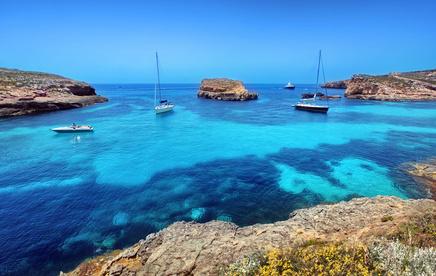
Tiny, virtually uninhabited Comino is a bird sanctuary and nature reserve located between Malta and Gozo. It is most famous for the
Blue Lagoon, a stretch of crystal-clear, turquoise water between Comino and the even smaller islet of Cominotto.
Visitor Experience: The Blue Lagoon is immensely popular in summer, with boats arriving from both Malta and Gozo. Visitors come to swim, snorkel in the vibrant marine life, and sunbathe on the white rocky shore. For more solitude, explore Santa Marija Bay or the old St. Mary’s Tower.
Popeye Village (Anchor Bay)
Originally built as the film set for the 1980 musical “Popeye” starring Robin Williams, this collection of wooden buildings has been transformed into a small theme park and fun park. Set in the picturesque Anchor Bay, its colorful buildings are photogenic against the blue sea.
Visitor Experience: It’s a family-oriented attraction with boat rides, play areas, and character meet-and-greets. Even for those not entering the park, the view from the cliffs above is stunning.
Mellieha Beach
Mellieha Bay, also known as Għadira Bay, is the largest sandy beach in Malta. Its shallow waters make it particularly popular with families. The surrounding area offers plenty of amenities, including water sports facilities, restaurants, and kiosks.
St. Paul’s Bay
This large bay on Malta’s northern coast is named for the traditional site of St. Paul’s shipwreck in 60 AD. The area is now a bustling tourist hub comprising several towns, including Bugibba and Qawra. It’s known for its promenade, numerous restaurants and bars, and aquatic attractions.
Key Sites: The St. Paul’s Shipwreck Church in nearby San Pawl il-Baħar, and the Salina Nature Reserve for birdwatching.
Practical Travel Information
Cuisine Overview
Maltese cuisine is a reflection of its history—a fusion of Sicilian, Middle Eastern, and British influences.
Street Food: Pastizzi (ricotta or pea), qassatat (similar to pastizzi), and ftira (a ring-shaped bread).
Seafood: Fresh lampuki (dolphin fish), octopus stew, and aljotta (a garlicky fish soup).
Heartier Dishes: Stuffat tal-Fenek (rabbit stew), Bragioli (beef olives), and Kapunata (Maltese ratatouille).
Sweets: Kannoli (ricotta-filled pastry tubes), Helwa tat-Tork (a sweet sesame seed confection), and Imqaret (date-filled pastries).
Transportation Guide
Buses: Malta has an extensive and affordable public bus network that covers most of the island. The Tallinja card offers better value for multiple journeys.
Ferries: Essential for travel between Malta and Gozo/Comino. There are also passenger ferries connecting Valletta to Sliema and the Three Cities.
Taxis & Ride-Sharing: White taxis are available, and ride-sharing apps like Bolt and Uber operate in Malta.
Car Rental: Offers maximum flexibility for exploring remote areas but be prepared for narrow roads and limited parking in historic centers.
Accommodation Tips
Valletta/Sliema/St. Julian’s: Ideal for first-time visitors seeking culture, nightlife, and dining options.
Mdina/Rabat Area: Perfect for those seeking a quieter, more historic atmosphere.
Mellieha/St. Paul’s Bay: Best for families and beach lovers.
Gozo Island: Recommended for a relaxing getaway, agritourism stays, and nature enthusiasts.
Cultural Insights & Etiquette
Religion: Malta is overwhelmingly Roman Catholic. Show respect when visiting churches by dressing modestly (covering shoulders and knees).
Language: Maltese and English are both official languages. Most Maltese are bilingual.
Festas: From May to September, nearly every town and village celebrates its patron saint with a “festa,” involving street decorations, band processions, and fireworks.
Tipping: A service charge is often included in restaurant bills. If not, rounding up or leaving 5-10% is customary for good service.
A journey through Malta is a journey through time. From the silent majesty of Mdina to the vibrant streets of Valletta and the pristine waters of Comino, this island nation offers a diverse and deeply rewarding travel experience that lingers long after the visit.