The Ultimate Travel Guide to Cancun and Xcaret Park
Located on the northeastern coast of Mexico’s Yucatán Peninsula, Cancun is a world-renowned destination famous for its stunning turquoise waters, pristine white-sand beaches, and vibrant nightlife. However, beyond the hotel zone lies a rich cultural and natural heritage, best experienced through a visit to the iconic Xcaret Park. This guide provides a comprehensive overview for travelers planning a trip that combines the modern comforts of Cancun with the unique ecological and cultural immersion of Xcaret.
Introduction to Cancun
Cancun is strategically divided into two main areas: the Zona Hotelera (Hotel Zone) and El Centro (Downtown Cancun). The Hotel Zone is a long, narrow strip of land shaped like a “7,” housing the majority of the city’s resorts, restaurants, shopping malls, and nightclubs, all nestled against the Caribbean Sea and the Nichupté Lagoon. Downtown Cancun offers a more authentic Mexican experience with local markets, traditional eateries, and a glimpse into the daily life of the locals.
Exploring Xcaret Park
Approximately 75 kilometers (47 miles) south of Cancun, near Playa del Carmen, lies Xcaret Park. More than just a theme park, Xcaret is a massive natural sanctuary and cultural showcase. It seamlessly blends entertainment with education, allowing visitors to explore the natural beauty of the Riviera Maya—including underground rivers, a coral reef aquarium, and a pristine beach—while immersing themselves in the history and traditions of Mexico, from ancient Mayan ceremonies to vibrant folk art.
Key Attractions within Xcaret Park
Underground Rivers: The park’s signature experience. Visitors can snorkel through a series of calm, subterranean rivers that wind through caves and lush jungle landscapes. There are three main routes of varying lengths, all culminating in the Caribbean Sea.
Mexico Espectacular: A breathtaking night show that is a must-see. It narrates the history of Mexico from pre-Hispanic times to the modern mariachi era, featuring over 300 performers, elaborate costumes, and stunning set pieces.
Mayan Village: A recreation of an ancient Mayan community where visitors can learn about Mayan architecture, traditional ceremonies, ball games, and daily life.
Coral Reef Aquarium: An educational facility dedicated to the conservation of the Mesoamerican Barrier Reef. It showcases a diverse collection of marine life and offers insights into coral reproduction programs.
Wildlife Encounters: The park is home to jaguars, tapirs, spider monkeys, flamingos, sea turtles, and manatees, all housed in spacious habitats that mimic their natural environments.
Hacienda Henequenera: A beautiful replica of a 19th-century hacienda that celebrates Mexican folk art and traditions, including Papantla Flying Men performances and charrería (Mexican rodeo).
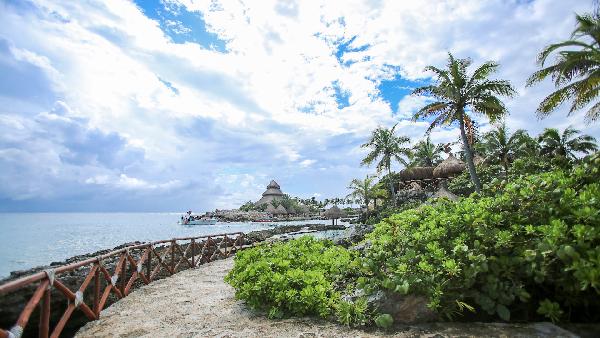
Beach and Inlet: A natural inlet provides a calm, safe area for swimming and relaxing on the sand, surrounded by the park’s beautiful coastal scenery.
Food and Dining Recommendations
In Cancun
Cancun’s dining scene is incredibly diverse, catering to all tastes and budgets.
La Habichuela (Downtown): A Cancun institution since 1977. This restaurant offers romantic ambiance in a garden setting and serves exquisite Yucatecan and Caribbean fusion cuisine. Must-try dishes include “Cocobichuela” (lobster and shrimp in a curry sauce inside a coconut) and “Pollo Ticuleño.”
Puerto Madero (Hotel Zone): An upscale Argentinean steakhouse with a fantastic waterfront location. Known for its high-quality cuts of meat, extensive wine list, and sophisticated atmosphere.
Los de Pescado (Downtown): For an authentic and affordable local experience, this casual spot is famous for its incredibly fresh seafood tacos, particularly the fish and shrimp varieties.
Mercado 28 (Downtown): A large traditional market where visitors can find souvenirs and sample local street food like cochinita pibil (slow-roasted pork) tacos and salbutes (fried tortillas with toppings).
In Xcaret Park
The park offers numerous dining options, many of which are included in the “Xcaret Plus” and “Xcaret Total” admission packages.
La Cocina: A massive buffet restaurant offering a wide variety of international and Mexican dishes in a comfortable setting.
Fuego Restaurant: Situated with views of the Caribbean, this restaurant offers a more upscale buffet experience with grilled meats and seafood.
La Peninsula: Another buffet option focusing on Mexican cuisine, located near the underground rivers’ exit.
Snack Stands: Throughout the park, smaller kiosks offer quick bites like tacos, nachos, fresh fruit, and ice cream.
Transportation Information
Getting to Cancun
Cancun International Airport (CUN) is the main gateway, with numerous direct flights from North America, Europe, and other parts of the world. From the airport, travelers can reach the Hotel Zone or Downtown via:
ADO Bus: The most economical option. The ADO bus goes directly to the downtown bus station. From there, you can take a local bus or taxi to your final destination.
Airport Transfers: Pre-booked private or shared shuttles are a convenient and safe way to get to your hotel.
Taxis: Official airport taxis are available but are generally the most expensive option. Always agree on a fare before getting in.
Rental Cars: Many international companies have desks at the airport. Renting a car provides flexibility for exploring the Riviera Maya at your own pace.
Getting from Cancun to Xcaret Park
Xcaret Park Shuttle: The most convenient option. The park offers round-trip shuttle services from most major hotels in Cancun’s Hotel Zone and Downtown. This must be booked in advance when purchasing your park tickets.
ADO Bus: Take an ADO bus from the Cancun downtown bus station to Playa del Carmen. From there, you can take a local taxi to the park entrance, which is about 5-10 minutes away.
Rental Car or Private Taxi: Driving south on Highway 307 is straightforward. The journey takes about 1 to 1.5 hours from Cancun. Xcaret has ample parking available for a fee.
Colectivos: These shared vans are a cheap and local way to travel. They run frequently along Highway 307. You would take one to Playa del Carmen and then a taxi to Xcaret.
Accommodation Tips
Staying in Cancun
Luxury Resorts (Hotel Zone): For those seeking all-inclusive luxury with private beaches, multiple pools, world-class spas, and fine dining. Look at resorts in the central and southern parts of the Hotel Zone for slightly quieter locations.
- Example: Le Blanc Spa Resort, Nizuc Resort & Spa
Mid-Range Hotels (Hotel Zone & Downtown): A good balance of comfort and value. Many offer all-inclusive options or are close to restaurants.
- Example: Krystal Grand Punta Cancun, Wyndham Garden Cancun Downtown
Budget & Hostels (Downtown): Ideal for backpackers and travelers who prioritize experiencing local culture over beachfront access.
- Example: Hostel Ka’beh Cancun, Hotel Tucan Kin
Staying Near Xcaret
For visitors who want to focus their trip on Xcaret and other nearby parks like Xplor and Xel-Há, staying in Playa del Carmen or at the hotel adjacent to the park is a great alternative.
Hotel Xcaret Mexico: An all-inclusive, ultra-luxury resort that is physically integrated with the park. Guests get unlimited access to Xcaret and other Grupo Xcaret parks, plus complimentary transportation between them.
- Example: Hotel Xcaret Mexico
Playa del Carmen: This bustling town offers a wide range of accommodations, from hostels to high-end hotels, and has a famous pedestrian street, Quinta Avenida (5th Avenue), lined with shops and restaurants. It’s only a 10-minute drive from Xcaret.
- Example: The Reef 28, Mahekal Beach Resort
Cultural Insights and Practical Tips
Understanding the Local Culture
The state of Quintana Roo, where Cancun and Xcaret are located, has a deep Mayan heritage. While Cancun itself is a modern tourist creation, the surrounding regions are steeped in history. Xcaret Park is built on the site of the ancient Mayan port and pilgrimage site known as Polé. Respecting this cultural context enriches the travel experience.
Language: Spanish is the official language. While English is widely spoken in tourist areas, learning a few basic Spanish phrases (like “Hola,” “Gracias,” “Por favor”) is greatly appreciated by locals.
Tipping: Tipping is customary in Mexico. In restaurants, a tip of 10-15% is standard if service is not included. It’s also common to tip hotel housekeeping, bellboys, and tour guides.
Cuisine: Go beyond tacos. Try regional Yucatecan specialties like cochinita pibil, panuchos, sopa de lima (lime soup), and fresh ceviche.
Bargaining: Expected in markets (like Mercado 28), but not in fixed-price shops or restaurants. Be polite and friendly during the process.
Practical Tips for Your Visit
Booking Xcaret Tickets: Purchase tickets online in advance to secure your spot, especially during peak season (December-April). Compare packages like “Xcaret Basic,” “Xcaret Plus” (includes meal, locker, and snorkel gear), and “Xcaret Total” for the best value.
What to Bring to Xcaret:
- Biodegradable sunscreen and insect repellent (mandatory to protect the ecosystem).
- Swimsuit, water shoes (essential for the rocky rivers), and a change of clothes.
- A waterproof camera or phone case.
- A hat and sunglasses.
- Cash or a credit card for souvenirs and extras.
Weather:The region has a tropical climate. The dry season (November to April) is the most pleasant time to visit. The rainy season (May to October) is hotter and more humid, with short but heavy afternoon showers.
Currency:The Mexican Peso (MXN) is the local currency. U.S. dollars are often accepted in tourist zones, but you will get a better exchange rate by paying in pesos. ATMs are widely available.
Safety:Cancun’s tourist areas are generally safe. Exercise standard precautions: don’t flash valuables, be aware of your surroundings, use licensed taxis, and avoid isolated areas at night.
A Sample 3-Day Itinerary
Day 1: Arrival and Cancun Exploration
- Morning: Arrive at Cancun International Airport and transfer to your hotel.
- Afternoon: Settle in and head to Playa Delfines for photos with the iconic “CANCUN” sign and stunning views of the Caribbean.
- Evening: Enjoy dinner at a restaurant in the Hotel Zone like Harry’s or Lorenzillo’s, followed by a stroll through La Isla Shopping Village.
Day 2: Xcaret Park Adventure
- Morning: Take the pre-booked Xcaret shuttle from your hotel. Arrive early to beat the crowds.
- Day: Snorkel an underground river, visit the aquarium and wildlife areas, explore the Mayan Village, and watch the Papantla Flyers show.
- Evening: Enjoy the included buffet dinner (if you have Plus or Total tickets) and stay for the spectacular “Mexico Espectacular” night show before taking the shuttle back to Cancun.
Day 3: Culture and Departure
- Morning: Visit Downtown Cancun. Explore Mercado 28 for souvenirs and enjoy an authentic lunch at La Habichuela.
- Afternoon: Relax at your hotel’s pool or beach before preparing for departure.
- Evening: Transfer back to Cancun International Airport for your flight home.
A journey from the modern luxuries of Cancun to the cultural heart of Xcaret Park offers a complete Mexican Caribbean experience. By planning ahead and embracing both the contemporary and traditional aspects of the region, travelers can create memories that will last a lifetime.