The Ultimate Travel Guide: Dubai, Abu Dhabi, Sharjah & Beyond
This comprehensive guide details a classic itinerary exploring the glittering hubs of the United Arab Emirates (UAE), focusing on the dynamic triangle of Dubai, the cultural and political capital of Abu Dhabi, and the neighboring emirate of Sharjah. This journey offers a profound look into the rapid modernization, deep-rooted traditions, and diverse experiences that define this region.
Trip Overview & Itinerary
The suggested route,
Dubai – Abu Dhabi – Dubai – Sharjah – Dubai, is designed for convenience and logistical ease. While it involves returning to Dubai, this hub-and-spoke model leverages Dubai’s extensive transportation network and accommodation options, making day trips to Abu Dhabi and Sharjah straightforward and efficient.
Days 1-2: Arrival and exploration of Dubai’s modern wonders.
Day 3: Day trip to Abu Dhabi.
Day 4: Exploring Dubai’s historical and cultural quarters.
Day 5: Day trip to Sharjah.
Day 6-7: Final explorations in Dubai, including beaches, shopping, and departure.
Part 1: Dubai – The City of Superlatives
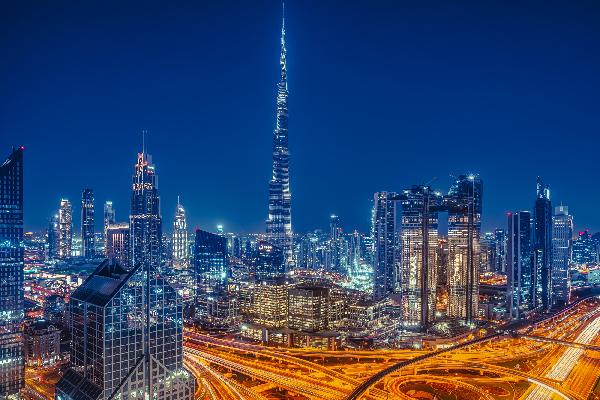
Dubai is a global metropolis known for its audacious architecture, luxurious lifestyle, and vibrant multicultural atmosphere. It serves as the perfect base for exploring the wider region.
Key Attractions in Dubai
Burj Khalifa: The world’s tallest building. Visitors can ascend to the At the Top observation decks on the 124th, 125th, and 148th floors for breathtaking panoramic views of the city and desert.
The Dubai Mall: Adjacent to the Burj Khalifa, this is not just a shopping center but an entertainment complex housing an aquarium & underwater zoo, an Olympic-sized ice rink, a vast cinema, and the VR Park.
The Dubai Fountain: Located on the Burj Khalifa Lake, this captivating choreographed fountain show set to light and music is a must-see spectacle in the evenings.
Palm Jumeirah: An artificial archipelago shaped like a palm tree. It is home to luxury hotels like Atlantis The Palm, Aquaventure Waterpark, and The Pointe, offering stunning views and dining options.
Dubai Marina & JBR: A man-made canal city with a stunning skyline. The Jumeirah Beach Residence (JBR) walk is a bustling promenade with shops, cafes, and beach access.
Old Dubai: Al Fahidi Historical Neighbourhood & Souks: A stark contrast to the modern city, this area features wind-tower architecture, narrow alleyways, and museums like the Dubai Museum in Al Fahidi Fort. Abra (water taxi) rides across Dubai Creek lead to the vibrant Gold Souk and Spice Souk in Deira.
Dubai Frame: A monumental picture frame in Zabeel Park that offers views of both “Old Dubai” to the north and “New Dubai” to the south, symbolizing the city’s transformation.
Food & Dining in Dubai
Dubai’s food scene is a reflection of its international population.
Emirati Cuisine: Seek out traditional restaurants like Al Fanar or Local Bites to try Machboos (spiced rice with meat), Harees (a wheat and meat dish), and Luqaimat (sweet dumplings).
International Flavors: From high-end celebrity chef restaurants in DIFC to authentic Lebanese, Iranian, Indian, and Filipino eateries in areas like Deira and Bur Dubai, the choices are endless.
Foodie Experiences: Dine at a restaurant with a view of the Burj Khalifa or book a dinner cruise on Dubai Marina. For a more local experience, explore the food trucks at Last Exit or the Ripe Market on weekends.
Transportation in Dubai
Metro: The driverless, clean, and efficient Dubai Metro is the best way to beat traffic. It connects major attractions along the Red and Green Lines.
Taxis & Ride-Hailing: Taxis are metered, relatively affordable, and widely available. Careem and Uber are also very popular.
Buses & Trams: An extensive bus network complements the metro, and the Dubai Tram serves the Marina and JBR areas.
Nol Card: This rechargeable smart card is essential for paying for metro, tram, bus, and water bus fares. It can be purchased at any metro station.
Accommodation Tips for Dubai
Choosing a location depends on your interests and budget.
Luxury: Downtown Dubai (near Burj Khalifa), Palm Jumeirah (resort-style), or Jumeirah Beach Area.
Mid-Range: Dubai Marina or JBR for a vibrant, modern atmosphere with beach access.
Budget/Business: Deira or Bur Dubai for more affordable options and proximity to the old city and its souks.
Part 2: Abu Dhabi – The Capital’s Grandeur
A day trip to Abu Dhabi, approximately a 90-minute to 2-hour drive from Dubai, reveals a different side of the UAE—one of immense cultural wealth and refined elegance.
Getting to Abu Dhabi
The most flexible way is by car. Renting a car or hiring a taxi for the day is common. Alternatively, modern intercity buses run frequently from Ibn Battuta Mall and Al Ghubaiba Bus Station in Dubai to Abu Dhabi’s central bus station, which is a very economical option.
Key Attractions in Abu Dhabi
Sheikh Zayed Grand Mosque: An architectural masterpiece and one of the world’s largest mosques. Its pristine white marble, intricate floral designs, gold-plated chandeliers, and the world’s largest hand-knotted carpet are awe-inspiring. Visitors must dress modestly; abayas are provided for women if needed.
The Louvre Abu Dhabi: A stunning museum on Saadiyat Island, designed by Jean Nouvel. Its iconic dome creates a “rain of light” effect. The collection presents a universal narrative of art history from ancient to contemporary times.
Qasr Al Watan: More than a presidential palace, it is a working cultural landmark. Visitors can explore grand halls, libraries, and exhibits showcasing Arabian craftsmanship and governance.
Corniche Road: A magnificent 8-kilometer waterfront stretch perfect for a leisurely walk, cycle, or simply enjoying the view of the city’s modern skyline.
Yas Island: A hub for entertainment, home to Ferrari World (with the world’s fastest roller coaster), Yas Waterworld, and Warner Bros. World.
Food & Cultural Insights in Abu Dhabi
As the capital, Abu Dhabi offers a more subdued but equally rich dining scene. While international cuisine is abundant, it’s an excellent place to experience authentic Emirati hospitality. The city strictly observes Islamic traditions; public behavior is expected to be respectful.
Part 3: Sharjah – The Cultural Capital
A short 30-minute drive from Dubai, Sharjah offers a stark contrast. Designated as UNESCO’s “Cultural Capital of the Arab World” in 1998, it has a more conservative vibe with a profound focus on art, heritage, and education.
Getting to Sharjah
The most convenient way is by taxi or ride-hailing service from Dubai. Public buses also connect the two emirates, but a taxi offers more flexibility for a day of sightseeing.
Key Attractions in Sharjah
Sharjah Museum of Islamic Civilization: Housed in a beautiful souq-like building, this museum boasts a vast collection of Islamic artifacts, including manuscripts, ceramics, and astronomical instruments.
Heart of Sharjah: A comprehensive preservation and restoration project aimed at being the largest historical restoration project in the region. It includes traditional markets (souqs), museums, and heritage areas.
Sharjah Art Museum: The largest art museum in the UAE, with a significant collection of works by Arab artists.
Al Noor Island:A unique public space featuring a butterfly house, contemporary art installations, and beautifully landscaped gardens.
Al Qasba:A popular leisure destination with a canal, Ferris wheel, restaurants, and the Maraya Art Centre.
Cultural Insights for Sharjah
Sharjah enforces a strict decency code. It is mandatory to dress modestly in public areas—shoulders and knees must be covered for both men and women. Public displays of affection are prohibited, and alcohol is completely banned within the emirate.
Practical Travel Information
Visa Requirements
Citizens of many countries receive a free 30-day visa on arrival. It is crucial to check the latest visa regulations with the UAE embassy or official government websites prior to travel, as policies can change.
Best Time to Visit
The ideal time to visit is during the cooler months from
November to March. Daytime temperatures are pleasant, making outdoor activities enjoyable. The summer months (May to September) are extremely hot and humid.
Cultural Etiquette & Laws
Dress Code: While tolerant in places like Dubai malls and beaches, dressing modestly (covering shoulders and knees) is respectful, especially when visiting mosques, government buildings, or the emirate of Sharjah.
Public Behavior: Public displays of affection should be minimal. Swearing and rude gestures can lead to severe penalties. Drinking alcohol is only permitted in licensed venues like hotels and private clubs; public drunkenness is illegal.
Ramadan: If traveling during the holy month of Ramadan, be aware that eating, drinking, or smoking in public during daylight hours is prohibited by law. Many restaurants will be closed until sunset.
Photography: It is illegal to photograph government buildings, military installations, and local people (especially women) without their explicit permission.
Money & Currency
The local currency is the UAE Dirham (AED). Credit cards are widely accepted everywhere. However, it is advisable to carry some cash for smaller shops, taxis (though most accept cards), and souks.
Conclusion
The journey from Dubai’s futuristic skyline to Abu Dhabi’s cultural monuments and Sharjah’s artistic soul provides a multi-faceted understanding of the UAE. This itinerary allows travelers to experience unparalleled luxury, profound history, rich culture, and warm Arabian hospitality within a compact and well-connected region. By respecting local customs and planning ahead, visitors can ensure a smooth and unforgettable adventure in this dynamic corner of the world.