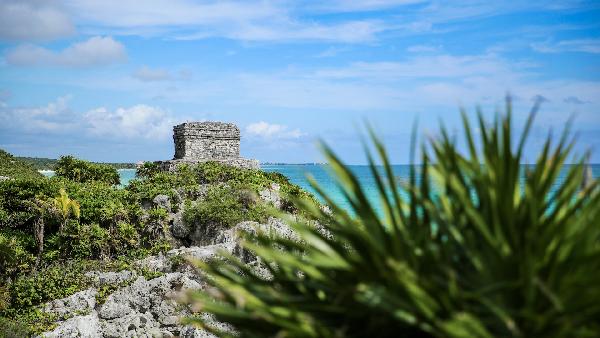
The Ultimate Travel Guide: Cancun and Tulum Archaeological Zone
This comprehensive guide details a journey through one of Mexico’s most iconic regions, combining the modern comforts and stunning beaches of Cancun with the profound ancient history of the Tulum Archaeological Zone. This itinerary is perfect for travelers seeking a blend of relaxation, adventure, and cultural immersion on Mexico’s Yucatán Peninsula.
Introduction to the Region
The Riviera Maya, stretching along the northeastern coast of the Yucatán Peninsula, is a world-renowned destination famed for its turquoise Caribbean waters, pristine white-sand beaches, and rich Mayan heritage. At its northern end lies Cancun, a bustling, modern resort city built for tourism. Approximately 130 kilometers (80 miles) to the south is Tulum, a site of exceptional beauty where ancient Mayan ruins perch on a cliff overlooking the sea. A trip encompassing both locations offers a complete and contrasting experience of Mexico’s Caribbean coast.
Part 1: Cancun – The Gateway to the Riviera Maya
Overview of Cancun
Cancun is a purpose-built tourist destination, strategically developed in the 1970s to capitalize on its incredible natural assets. It is divided into two main areas: the Zona Hotelera (Hotel Zone) and El Centro (Downtown Cancun). The Hotel Zone is a long, narrow strip of land shaped like a “7,” featuring world-class hotels, resorts, shopping malls, restaurants, and vibrant nightlife. El Centro offers a more authentic Mexican experience with local markets, smaller restaurants, and a glimpse into everyday life.
Key Attractions in and Around Cancun
The Beaches: Cancun’s main draw is its breathtaking coastline. Playa Delfines is a public beach known for its wide stretch of sand and iconic “CANCUN” sign, perfect for photos. Playa Chac Mool and Playa Marlin are popular for their wave action and water sports.
El Rey Archaeological Zone: Located within the Hotel Zone, this small but significant Mayan site features over 40 structures. It’s a convenient and less crowded alternative to larger ruins, offering a quick historical immersion.
Museo Maya de Cancun: Adjacent to the San Miguelito archaeological site, this modern museum houses an impressive collection of Mayan artifacts from across the Yucatán Peninsula, providing essential context before visiting Tulum or Chichen Itza.
Day Trip to Isla Mujeres: A short ferry ride from Cancun, this laid-back island is perfect for a day trip. Rent a golf cart to explore, visit Punta Sur with its cliff-side sculpture garden, and snorkel at El Garrafón Natural Reef Park.
Xcaret Park: An eco-archaeological park south of Cancun that showcases Mexican culture and nature. It features underground rivers, a butterfly pavilion, cultural shows, and a spectacular nighttime performance about Mexico’s history.
Food and Drink in Cancun
Cancun’s culinary scene ranges from high-end international cuisine to humble local eateries.
Tacos: Seek out a local taqueria in El Centro. Must-try varieties include al pastor (marinated pork), cochinita pibil (slow-roasted pork), and pescado (fish).
Fresh Seafood: Being a coastal city, seafood is a staple. Ceviche, grilled fish (pescado a la talla), and shrimp cocktails are ubiquitous and delicious.
International Fine Dining: The Hotel Zone boasts numerous award-winning restaurants by celebrity chefs, offering everything from Italian and French to modern Mexican fusion.
Local Markets: Visit Mercado 28 or Mercado 23 in El Centro for an authentic experience. Enjoy affordable meals at the food stalls and practice your bargaining skills for souvenirs.
Accommodation Tips for Cancun
Luxury Resorts: The Hotel Zone is lined with all-inclusive resorts offering extensive amenities, multiple pools, private beaches, and on-site entertainment. Ideal for travelers seeking convenience and pampering.
Boutique Hotels: For a more personalized experience, smaller boutique hotels can be found in both the Hotel Zone and downtown.
Budget-Friendly Options: Hostels and budget hotels are primarily located in El Centro, providing significant savings and a more local vibe. Public transportation makes it easy to reach the beaches.
Part 2: The Journey from Cancun to Tulum
Transportation Options
The journey from Cancun to Tulum takes approximately 1.5 to 2.5 hours, depending on traffic and the mode of transport.
ADO Bus: The most recommended and cost-effective method for independent travelers. ADO buses are comfortable, air-conditioned, reliable, and depart frequently from Cancun’s downtown terminal (ADO Terminal Central). They arrive at the Tulum ADO terminal, which is close to the town center.
Rental Car: Renting a car offers maximum flexibility. It allows for stops at attractions along the way, such as the cenotes (natural sinkholes) of the Riviera Maya or the ruins of Coba. Driving is on the right side of the road, and the Federal Highway 307 (Carretera 307) is well-maintained.
Private Transfer: A pre-booked private taxi or shuttle is the most comfortable and direct option, though more expensive. It is ideal for families or groups with lots of luggage.
Colectivos: For the adventurous and budget-conscious, shared vans known as colectivos run frequently along Highway 307. They are inexpensive but can be crowded and make multiple stops.
Stops Along the Way
The road from Cancun to Tulum is dotted with incredible natural and cultural sites worth exploring.
Playa del Carmen: A vibrant town midway between Cancun and Tulum. Its famous Quinta Avenida (5th Avenue) is a pedestrian-only street filled with shops, restaurants, and bars.
Cenotes: The Yucatán Peninsula is known for its thousands of cenotes. Popular ones along this route include Cenote Azul (great for swimming), Gran Cenote (excellent for snorkeling and seeing turtles), and Cenote Dos Ojos (a world-class diving site).
Akumal: Meaning “Place of the Turtles” in Mayan, Akumal Bay is a prime location for snorkeling with green sea turtles in their natural habitat.
Part 3: Tulum Archaeological Zone – The Walled City
Overview and History
Tulum is unique among Mayan ruins as it was one of the few cities built on the coast and was still inhabited during the Spanish arrival in the 16th century. Its original name was “Zama,” meaning “City of Dawn,” aptly named for its stunning eastern-facing location. Tulum served as a major port for trade and was protected by a thick wall on three sides (hence its modern name, “Tulum,” meaning “wall” or “fence”). Its peak was during the Late Postclassic period (1200-1550 AD).
Exploring the Ruins: Key Structures
El Castillo (The Castle): The largest and most dominant structure in Tulum, perched on the edge of a cliff. It served as a temple and a lighthouse; navigators could use a light in its upper tower to safely navigate through the reef.
Temple of the Frescoes: This building contains well-preserved murals depicting Mayan deities and symbols related to fertility and rain. The facade also features stucco masks of the creator god, Itzamná.
Temple of the Descending God: Named for the carved figure above its doorway of a god descending from the heavens. The meaning of this deity is still debated by archaeologists.
The Wall: The defensive wall that encloses the main ceremonial center on three sides is up to 5 meters (16 feet) thick and 3-5 meters high, a testament to Tulum’s strategic importance.
The Beach: A stunning staircase leads down from the cliffs to a small, picturesque beach where visitors can swim directly below the ancient ruins—a truly unforgettable experience.
Practical Visiting Information for Tulum Ruins
Best Time to Visit: Arrive right at opening time (typically 8:00 AM) to avoid the intense heat and large tour groups that arrive from Cancun around 10:30 AM.
Tickets: Purchase tickets at the official booth at the entrance. There is an additional small fee if you wish to take a shuttle from the main entrance parking lot to the ruins entrance (a ~1 km walk).
What to Bring: Sunscreen, a hat, sunglasses, comfortable walking shoes, swimwear and a towel if you plan to swim, and plenty of water. There is very little shade within the archaeological site.
Hiring a Guide: Official guides are available at the entrance and are highly recommended to fully understand the historical and cultural significance of the structures.
Tulum Pueblo (Town) and Surroundings
The town of Tulum is divided into two main areas: the beachfront hotel zone and the downtown (
el pueblo) located along the main highway. The town offers a bohemian, eco-chic vibe with a focus on sustainability and wellness.
Attractions Beyond the Ruins
Tulum Beach Road: This stretch along the coast is famous for its trendy beach clubs, boutique hotels, yoga studios, and world-class restaurants nestled among the palm trees.
Sian Ka’an Biosphere Reserve: A UNESCO World Heritage site located south of Tulum. This massive reserve encompasses tropical forests, mangroves, marshes, and a large section of the Mesoamerican Barrier Reef System. Tours offer opportunities to see dolphins, sea turtles, manatees, and countless bird species.
Coba Ruins: Located about a 45-minute drive inland from Tulum, Coba is a vast ancient city built around two lagoons. It features the Nohoch Mul pyramid, one of the tallest in the Yucatán, which visitors can still climb.
Food and Accommodation in Tulum
Tulum’s culinary scene is renowned for its fusion of traditional Mexican flavors with international, health-conscious trends.
Food Recommendations: Enjoy fresh seafood at a beachfront restaurant, try wood-fired pizza in a jungle setting, or visit one of the many vegan and vegetarian cafes. Don’t miss trying local specialties like sopa de lima (lime soup).
Accommodation Tips:
Befront Zone: Offers unique eco-lodges, luxury bungalows, and stylish hotels with direct beach access. This area is generally more expensive.
Tulum Pueblo (Downtown): Provides more affordable options including hostels, guesthouses, and mid-range hotels. It’s full of character and offers easy access to local eateries and shops.
Aldea Zama: A modern residential-tourist development between the town and beach, offering newer condos and hotels with a quieter atmosphere.
The Return Journey to Cancun
The return to Cancun follows the same Highway 307 northbound. The same transportation options are available in reverse. ADO buses run regularly from the Tulum ADO terminal back to Cancun. For those with an evening flight, it is crucial to plan this journey with ample time for potential traffic delays, especially during peak tourist season.
Cultural Insights and Travel Etiquette
Language: While English is widely spoken in tourist areas, learning a few basic Spanish phrases (Hola, Gracias, Por favor) is greatly appreciated by locals.
Tipping: Tipping (propina) is customary in Mexico. In restaurants, a tip of 10-15% is standard if service is not included. It’s also polite to tip tour guides, drivers, and housekeeping staff.
Sunscreen Ban: To protect its delicate ecosystems, many cenotes and nature parks in the Riviera Maya prohibit sunscreen that is not biodegradable. Plan ahead and purchase reef-safe sunscreen before your trip.
Respect at Sites: The archaeological zones are sacred cultural heritage sites. Do not climb on structures unless explicitly permitted (like at Coba), do not remove any stones or artifacts, and be respectful.
The Mayan People: The Mayan culture is very much alive today. Be respectful when visiting local communities. Support local artisans by purchasing handicrafts directly from them.
A Sample 5-Day Itinerary
Day 1: Arrival in Cancun. Settle into your accommodation. Explore the local beach in the Hotel Zone and enjoy a welcome dinner at a seaside restaurant.
Day 2: Cancun Exploration. Visit the Museo Maya de Cancun and El Rey ruins in the morning. Spend the afternoon relaxing at Playa Delfines or engaging in water sports. Experience Cancun’s nightlife in the evening.
Day 3: Cancun to Tulum. Take an early ADO bus to Tulum. Check into your accommodation in Tulum Pueblo. In the afternoon, visit a nearby cenote like Gran Cenote for a refreshing swim.
Day 4: Tulum Ruins & Beach. Arrive at the Tulum Archaeological Zone at opening time for a 2-3 hour tour. Afterwards, descend to the beach below for a swim. Spend the late afternoon exploring Tulum’s beach road and enjoying dinner at a trendy spot.
Day 5: Departure or Extension. Either take an ADO bus back to Cancun for your flight home or extend your trip with a day tour to the Sian Ka’an Biosphere Reserve or the Coba ruins.
A journey from Cancun to Tulum provides a perfect balance of modern luxury and ancient wonder. By experiencing both destinations, travelers gain a deeper appreciation for the diverse landscapes, complex history, and vibrant contemporary culture that define Mexico’s magnificent Riviera Maya.