The Ultimate Italian Grand Tour: From Rome to Sicily and Back
This comprehensive travel guide outlines an epic journey through Italy, covering its most iconic cities, enchanting hill towns, dramatic coastlines, and the vibrant island of Sicily. This itinerary is designed for travelers seeking a deep immersion into Italian art, history, cuisine, and landscape, looping from Rome down to the southern tip and back again.
Route Overview
The proposed route is a grand tour:
Rome -> Civita di Bagnoregio -> Siena -> Florence -> Pisa -> Cinque Terre -> Milan -> Sirmione -> Venice -> Rimini -> Assisi -> Italian Hill Towns -> Rome -> Pompeii -> Naples -> Palermo -> Agrigento -> Syracuse -> Catania -> Taormina -> Mount Etna -> Cefalù -> Palermo -> Naples -> Sorrento -> Rome. This journey leverages Italy’s extensive rail network for longer hauls, complemented by regional trains, buses, and ferries.
Part 1: Central and Northern Italy Loop
Rome: The Eternal City
Rome, the capital, is a sprawling open-air museum. A minimum of three to four days is recommended to scratch the surface of its historical and artistic treasures.
Attractions: The Colosseum, Roman Forum, and Palatine Hill form the heart of ancient Rome. The Vatican City boasts St. Peter’s Basilica and the unparalleled Vatican Museums, home to the Sistine Chapel. Don’t miss the Pantheon, Trevi Fountain, Spanish Steps, and Piazza Navona. For a quieter experience, explore Trastevere’s cobbled streets.
Food & Drink: Indulge in classic Roman pasta like Carbonara and Cacio e Pepe. Enjoy Supplì (fried rice balls), Pizza Romana (thin and crispy), and gelato. Pair meals with local wines from the Lazio region.
Transportation: Rome has two main airports (Fiumicino and Ciampino). The city’s Metro, buses, and trams are efficient for getting around. Most of the historic center is best explored on foot.
Accommodation: Stay in central neighborhoods like Monti, Trastevere, or near Piazza Navona for easy access to major sites.
Civita di Bagnoregio: The Dying Town
Often called “Il Paese che Muore” (The Dying Town), this stunning hill town is accessible only by a long pedestrian footbridge.
Attractions: The town itself is the attraction—a isolated outcrop of rock with medieval buildings, offering breathtaking views of the surrounding calanchi (badlands) valleys.
Transportation: Reachable by train from Rome to Orvieto, then a bus to Bagnoregio, followed by a shuttle or walk to the bridge.
Siena: The Gothic Masterpiece
This UNESCO World Heritage site is famed for its medieval brick buildings and the shell-shaped Piazza del Campo.
Attractions: The Duomo di Siena is a magnificent example of Italian Gothic architecture. Climb the Torre del Mangia for panoramic views of the city and countryside. The Palazzo Pubblico houses important frescoes.
Food & Drink: Try Pici (thick, hand-rolled pasta), Panforte (a dense fruit and nut cake), and local Chianti wines.
Transportation: Well-connected by train and bus from Florence. The city center is compact and walkable, but be prepared for steep hills.
Florence: Cradle of the Renaissance
Florence is an art lover’s paradise, home to some of the world’s most famous artworks and architecture.
Attractions: The Uffizi Gallery (Botticelli’s “Birth of Venus”), the Accademia (Michelangelo’s “David”), the Florence Cathedral (Duomo) with Brunelleschi’s Dome, Ponte Vecchio, and Piazza della Signoria. For a stunning city view, go to Piazzale Michelangelo.
Food & Drink: Feast on Bistecca alla Fiorentina (T-bone steak), Ribollita (Tuscan bread soup), and Lampredotto (tripe sandwich). Enjoy a glass of Chianti Classico.
Transportation: Florence is a major rail hub. The historic center is very walkable.
Pisa: More Than Just a Tower
While famous for its Leaning Tower, Pisa offers a beautiful complex of monuments on the Campo dei Miracoli.
Attractions: The Leaning Tower, the Cathedral (Duomo), Baptistery, and Camposanto Monumentale. A climb up the tower is a unique experience.
Transportation: A short train ride from Florence. The monuments are a 20-30 minute walk from Pisa Centrale station.
Cinque Terre: The Five Lands
This string of five colorful fishing villages clinging to the Ligurian coastline is a national park and UNESCO site.
Attractions: Hiking the scenic trails connecting Monterosso al Mare, Vernazza, Corniglia, Manarola, and Riomaggiore. Swimming, boating, and enjoying the vibrant village life.
Food & Drink: Sample fresh seafood, Focaccia al formaggio (cheese focaccia) from Recco, and pesto Genovese, which originates from this region. Drink Sciacchetrà, a local dessert wine.
Transportation: The Cinque Terre Express train runs frequently between the villages. Boats are also available in good weather. A Cinque Terre Card covers trail access and train travel.
Accommodation: Book well in advance in one of the villages or in nearby La Spezia.
Milan: Italy’s Fashion and Finance Capital
A modern and fast-paced metropolis, Milan offers world-class culture and shopping.
Attractions: The magnificent Duomo di Milano (cathedral), Leonardo da Vinci’s “The Last Supper” (book months ahead), the Galleria Vittorio Emanuele II shopping arcade, and the La Scala opera house.
Transportation: Served by three airports (Malpensa, Linate, Bergamo). It is Italy’s main rail hub, with excellent connections. The Metro system is efficient.
Sirmione: Pearl of Lake Garda
A picturesque town on a narrow peninsula jutting into Lake Garda, known for its thermal baths and castle.
Attractions: The Scaligero Castle, the Grottoes of Catullus (Roman villa ruins), and relaxing in the natural thermal spa facilities.
Transportation: Reachable by train to Desenzano del Garda, then a local bus to Sirmione.
Venice: The Floating City
A city of canals, unparalleled romance, and Byzantine grandeur.
Attractions: St. Mark’s Square and Basilica, Doge’s Palace, Rialto Bridge. Take a gondola or vaporetto ride along the Grand Canal. Visit the islands of Murano (glass) and Burano (colorful houses).
Food & Drink: Cicchetti (Venetian tapas), fresh seafood risotto, and Fritto Misto. Enjoy a Spritz cocktail in a canal-side café.
Transportation: Arrive at Santa Lucia train station. The vaporetto (water bus) is the main public transport. Water taxis are expensive. The city is best explored on foot.
Cultural Insight: Venice suffers from overtourism. Consider visiting in the shoulder season and exploring lesser-known sestieri (districts) like Cannaregio or Dorsoduro.
Rimini: Adriatic Resort & Roman Heritage
A famous beach resort on the Adriatic Riviera with a rich Roman history.
Attractions: The Roman Amphitheatre, the Arch of Augustus, and the Tempio Malatestiano. In summer, the beaches and nightlife are the main draws.
Transportation: A major train station on the Bologna-Ancona line.
Assisi: The Spiritual Heart
The birthplace of St. Francis, this Umbrian hill town is a major pilgrimage site.
Attractions: The Basilica of San Francesco, containing Giotto’s famous frescoes on the life of St. Francis. The Basilica of Santa Chiara and the Roman Temple of Minerva are also key sites.
Transportation: Reachable by train from Florence or Rome. The town is built on a hill; local buses connect the station to the historic center.
The Italian Hill Towns
The route back to Rome passes through regions like Umbria and Tuscany, dotted with iconic hill towns. Consider stops in:
Orvieto: Famous for its striking Duomo and underground city.
San Gimignano: Known as the “Medieval Manhattan” for its preserved tower houses.
Montepulciano & Pienza: In the Val d’Orcia, famous for wine (Vino Nobile) and pecorino cheese.
Part 2: Southern Italy and Sicily Expedition
The Journey South: Pompeii & Naples
From Rome, head south to explore some of Italy’s most significant archaeological sites and vibrant cities.
Pompeii:The ancient Roman city frozen in time by the eruption of Mount Vesuvius in 79 AD. A full day is needed to explore its streets, homes, and public baths. The Naples National Archaeological Museum houses many artifacts from Pompeii.
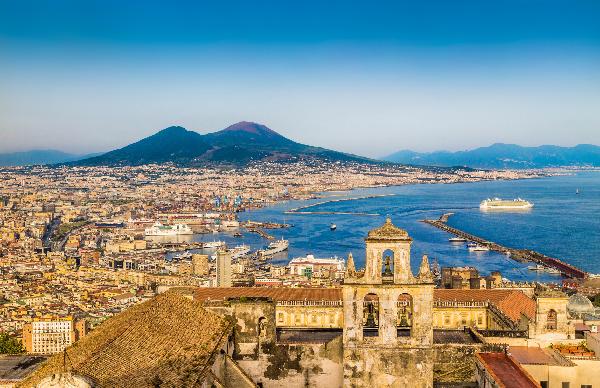
Naples:A raw, energetic city with a rich historical center (a UNESCO site). See the Naples Cathedral, Cappella Sansevero (with the veiled Christ), and explore Spaccanapoli. It’s the birthplace of pizza—try an authentic Pizza Margherita at a historic pizzeria.
Transportation: High-speed trains connect Rome to Naples. The Circumvesuviana train line runs from Naples to Pompeii and Sorrento.
Sicily: A World Apart
The largest island in the Mediterranean, Sicily boasts a unique culture shaped by Greek, Roman, Arab, Norman, and Spanish influences. The most efficient way to reach Sicily from Naples is by overnight ferry or a quick flight to Palermo or Catania.
Palermo: The Capital of Sicily
Attractions:The Palatine Chapel with its stunning Byzantine mosaics, Palermo Cathedral, the Capuchin Catacombs, and the vibrant markets of Ballarò and Vucciria.
Food & Drink:Sfincione (Sicilian pizza), Pane e Panelle (chickpea fritter sandwich), Arancine (stuffed rice balls), and Cannoli. Try a glass of Nero d’Avola wine.
The Valley of the Temples, Agrigento
A breathtaking archaeological park featuring some of the best-preserved Ancient Greek temples outside of Greece itself.
Syracuse (Siracusa)
A city with a glorious Greek past. Explore the archaeological park with its Greek Theatre and Roman Amphitheatre, and wander the beautiful island neighborhood of Ortigia.
Catania
A bustling Baroque city at the foot of Mount Etna, built from black lava stone. See Piazza del Duomo with its elephant fountain (u Liotru), the fish market (‘a pescheria), and Via dei Crociferi for Baroque architecture.
Taormina: The Jewel of Sicily
A chic hilltop town with stunning views of the sea and Mount Etna.
Attractions:The ancient Greek Theatre with its iconic view of Etna, the public gardens, and Corso Umberto for shopping and cafes. Take a cable car down to the beach at Isola Bella.
Accommodation:A popular destination; booking in advance is essential.
Mount Etna: Europe’s Highest Volcano
A day trip from Taormina or Catania. Guided tours allow visitors to hike on its slopes, explore lava caves, and witness the powerful volcanic landscape.
Cefalù
A charming coastal town with a beautiful sandy beach and a magnificent Norman Cathedral with superb mosaics, perfect for a relaxing stop before returning to Palermo.
The Return Journey: Sorrento & The Amalfi Coast Gateway
From Palermo, take a ferry or flight back to Naples. A short train ride on the Circumvesuviana line leads to Sorrento.
Sorrento:A cliff-top town famous for its lemons and as a base for exploring the Amalfi Coast and Capri. Stroll through the old town, enjoy views of the Bay of Naples, and try Limoncello.
Final Leg: Back to Rome
The journey concludes with a return to Rome from Naples or Sorrento by train, completing this grand tour of Italy’s unparalleled cultural and scenic diversity.
General Travel Tips for Italy
Transportation Passes: Consider an Interrail/Eurail pass if traveling extensively by train across multiple days. For regional travel, point-to-point tickets are often cheaper.
Accommodation: Book hotels and B&Bs well in advance, especially in popular destinations like Cinque Terre, Florence, Venice, and Taormina during peak season.
Cultural Etiquette: Dress modestly when visiting churches (cover shoulders and knees). A small fee for “coperto” (cover charge) is normal in restaurants. “Caffè” means a shot of espresso.
Siesta & Aperitivo: Many smaller shops close in the afternoon (roughly 1-4 pm). Embrace the “aperitivo” culture—a pre-dinner drink often comes with complimentary snacks.
Sustainability: Carry a reusable water bottle; you can refill it from public nasoni (drinking fountains) found all over Italian cities.