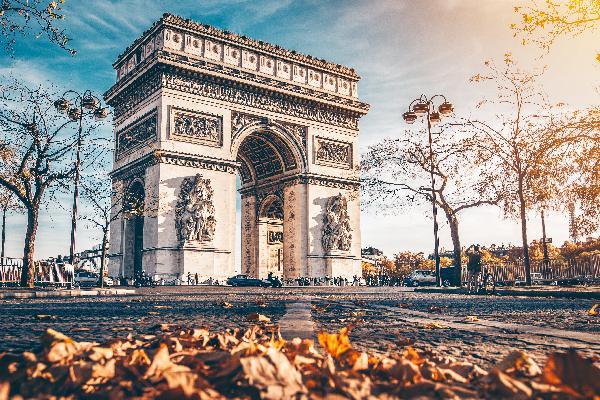
Grand Tour of Central Europe: A Journey Through Germany, the Benelux, and France
Embark on an unforgettable circular journey from Frankfurt, exploring the cultural and historical riches of Germany, the Netherlands, Belgium, France, and Luxembourg. This guide provides a comprehensive, objective overview and practical information for travelers.
Itinerary Overview
This tour is a loop starting and ending in Frankfurt, Germany. The route is designed for efficiency, typically undertaken over 14-21 days, and is well-served by Europe’s excellent rail and road networks. The sequence is: Frankfurt -> Cologne -> Amsterdam -> Windmill Village (Zaanse Schans) -> The Hague -> Rotterdam -> Antwerp -> Bruges -> Brussels -> Paris -> Luxembourg City -> Trier -> Heidelberg -> Frankfurt.
Practical Information: The Journey
Duration: Recommended 14-21 days.
Transport: An Interrail/Eurail pass (for non-EU residents) or point-to-point tickets are ideal for train travel. Rental cars offer flexibility but consider parking costs in cities.
Best Time to Travel: Late spring (May-June) and early autumn (September-October) for pleasant weather and fewer crowds.
Currency: Euro (€) is used in all countries on this itinerary.
Languages: German, Dutch, French, Flemish, Luxembourgish. English is widely spoken in tourist areas.
Frankfurt am Main, Germany
Frankfurt is a global hub for finance and commerce, known for its impressive skyline, earning it the nickname “Mainhattan.” Despite its modern facade, it boasts a charming, reconstructed old town.
Key Attractions
Römerberg: The historic heart of Frankfurt, featuring reconstructed medieval buildings, including the Römer city hall.
St. Bartholomew’s Cathedral (Kaiserdom): A 14th/15th-century Gothic cathedral where Holy Roman Emperors were elected.
Museumsufer (Museum Embankment): A unique concentration of museums on both sides of the River Main, covering art, film, architecture, and more.
Main Tower: The only skyscraper with a public viewing platform, offering panoramic views of the city.
Practical Information: Frankfurt
Getting There: Frankfurt Airport (FRA) is a major international hub. The central station (Hauptbahnhof) is one of Europe’s busiest.
Getting Around: Excellent public transport system (RMV). The city center is very walkable.
Food Speciality: “Grüne Soße” (Green Sauce) with boiled eggs and potatoes, Apfelwein (apple wine).
Accommodation: Options range from luxury hotels in the banking district to hostels near the central station.
Cologne (Köln), Germany
A short train ride north from Frankfurt, Cologne is a vibrant, historic city on the Rhine River, famed for its colossal cathedral and its spirited Karneval celebrations.
Key Attractions
Cologne Cathedral (Kölner Dom): A UNESCO World Heritage site and a masterpiece of High Gothic architecture. Climb the south tower for breathtaking views.
Old Town (Altstadt): Picturesque squares and buildings along the Rhine, home to traditional breweries serving Kölsch beer.
Hohenzollern Bridge: Famous for the thousands of “love locks” attached by couples.
Museum Ludwig: Houses an excellent collection of modern art, including a significant Pop Art section.
Practical Information: Cologne
Getting There: High-speed trains (ICE) from Frankfurt take about 1 hour.
Getting Around: Compact city center is best explored on foot. Trams and buses cover wider areas.
Food Speciality: Kölsch (a light, crisp beer) served in small glasses, and “Himmel un Ääd” (black pudding with mashed potatoes and apple sauce).
Amsterdam, Netherlands
A train journey from Cologne brings you to Amsterdam, the capital of the Netherlands. Known for its elaborate canal system, narrow houses, artistic heritage, and cycling culture.
Key Attractions
Canal Belt (Grachtengordel): A UNESCO World Heritage site. A canal cruise is essential to appreciate the city’s layout and architecture.
Rijksmuseum: The Dutch national museum dedicated to arts and history, home to Rembrandt’s “The Night Watch.”
Van Gogh Museum: Houses the world’s largest collection of Vincent van Gogh’s paintings and drawings.
Anne Frank House: The hiding place where Anne Frank wrote her diary during WWII. Advance booking is mandatory.
Jordaan District: A charming neighborhood with narrow streets, boutiques, and cozy cafes.
Practical Information: Amsterdam
Getting There: Direct international trains from Cologne (approx. 3 hours).
Getting Around: Rent a bicycle for the authentic local experience. Trams and metro are efficient for longer distances. Walking is ideal in the center.
Food Speciality: Stroopwafels, bitterballen, raw herring (if you’re brave), and Dutch cheese.
Note: Be mindful of cyclists; they have the right of way.
Windmill Village (Zaanse Schans), Netherlands
A short trip from Amsterdam, Zaanse Schans is an open-air museum and a living-working community that showcases traditional Dutch life from the 18th and 19th centuries.
Key Attractions
Historic Windmills: Several fully functioning windmills used for tasks like sawing wood and producing oil and paint.
Clog Workshop: Demonstrations of how traditional Dutch wooden shoes are made.
Cheese Farm: See cheese being made in the traditional way and sample various types.
Zaan River Views: The green-painted wooden houses and windmills create a quintessentially Dutch landscape.
Practical Information: Zaanse Schans
Getting There: A 15-20 minute train ride from Amsterdam Central to Zaandijk Zaanse Schans station, then a 10-minute walk.
Admission: Entry to the village is free; there are charges for entering the windmills and museums.
Tip: Visit early in the morning or late in the afternoon to avoid the largest tour groups.
The Hague (Den Haag), Netherlands
The seat of the Dutch government and royal family, The Hague is an elegant city with a strong international character, hosting numerous international courts and institutions.
Heidelberg, Germany
The final stop before returning to Frankfurt, Heidelberg is the epitome of German Romanticism. Its famous ruined castle overlooking the river and the old town has inspired poets and artists for centuries.
Conclusion
This grand tour through the heart of Western Europe offers a remarkable diversity of experiences within a relatively compact geographical area. From the financial power of Frankfurt to the artistic legacy of Amsterdam and Paris, the medieval charm of Bruges and Heidelberg, and the political significance of The Hague, Brussels, and Luxembourg, this journey provides a deep and enriching insight into the cultures, histories, and landscapes that have shaped modern Europe. Careful planning regarding transport and accommodation will ensure a smooth and unforgettable adventure.