Grand European Tour: Rome to Rome via Italy, Monaco, France & Switzerland
An epic journey through the heart of Western Europe, exploring ancient ruins, Renaissance art, Riviera glamour, Alpine splendour, and culinary capitals.
Introduction
This comprehensive travel guide details a circular Grand Tour, starting and ending in Rome. The route is meticulously planned to offer a rich tapestry of experiences, from the classical world of the Romans to the masterpieces of the Renaissance, the glittering coastline of the French Riviera, the gastronomic heartlands of France, and the breathtaking landscapes of the Swiss Alps. This is a journey for those who wish to immerse themselves in the diverse cultures, histories, and landscapes that define Western Europe.
The itinerary is designed to be followed over a period of approximately three to four weeks, allowing for a deep exploration of each destination. It leverages Europe’s efficient rail network for most legs, with occasional recommendations for other modes of transport.
Itinerary Overview
The route follows this sequence:
Rome (Italy) → Florence → Pisa → Monaco → Cannes (France) → Lyon → Paris → Dijon → Lucerne (Switzerland) → Milan (Italy) → Venice → Rome.
This flow minimizes backtracking and creates a logical geographical progression.
Destinations
Rome, Italy (Start & End Point)
The Eternal City, a sprawling metropolis where millennia of history coexist with vibrant modern life.
Key Attractions:
Colosseum: The iconic Roman amphitheater. Booking a skip-the-line ticket with a guided tour is highly recommended.
Roman Forum & Palatine Hill: The political and social heart of ancient Rome, offering unparalleled ruins and panoramic views.
Vatican City: An independent city-state housing St. Peter’s Basilica, the Vatican Museums, and Michelangelo’s Sistine Chapel ceiling. Dress code (covered shoulders and knees) is strictly enforced.
Pantheon: A marvel of Roman engineering with the world’s largest unreinforced concrete dome. Free to enter.
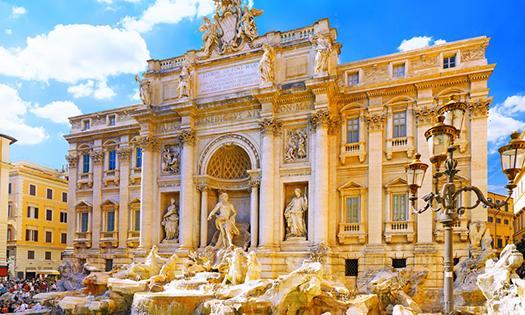
Trevi Fountain & Spanish Steps: Baroque masterpieces best visited early in the morning or late at night to avoid crowds.
Practical Tips:
Transport: Rome has two main airports: Fiumicino (FCO) and Ciampino (CIA). The city’s Metro, buses, and trams are efficient. Walking is the best way to discover hidden piazzas.
Cuisine: Try pasta classics like Cacio e Pepe and Carbonara, and thin-crust Roman-style pizza (Pizza Romana).
Florence (Firenze), Italy
The cradle of the Renaissance, a compact city overflowing with artistic and architectural treasures.
Key Attractions:
Uffizi Gallery: Home to Botticelli’s “The Birth of Venus,” da Vinci’s “Annunciation,” and works by Raphael and Michelangelo. Pre-book tickets months in advance.
Galleria dell’Accademia: Primarily known for housing Michelangelo’s monumental statue of “David.” Pre-booking is essential.
Florence Cathedral (Duomo): A complex including Brunelleschi’s Dome (reservations required to climb), Giotto’s Bell Tower, and the Baptistery with its famous “Gates of Paradise.”
Ponte Vecchio: A medieval bridge spanning the Arno River, famous for its jewelry shops.
Piazzale Michelangelo: Offers the definitive postcard view of Florence, especially stunning at sunset.
Practical Tips:
Transport: A 1.5-hour high-speed train from Roma Termini to Firenze Santa Maria Novella station. Florence is highly walkable.
Cuisine: Sample Fiorentina steak (T-bone steak), Ribollita (a hearty vegetable soup), and enjoy the robust Chianti wines from the surrounding Tuscan countryside.
Pisa, Italy
A city known worldwide for a single, magnificent architectural error.
Key Attractions:
Piazza dei Miracoli (Square of Miracles): A UNESCO World Heritage site containing the Leaning Tower, the Cathedral (Duomo), the Baptistery, and the Camposanto Monumentale (cemetery).
The Leaning Tower: The freestanding bell tower. Booking a timed ticket to climb the tower is highly advised. The lean is more dramatic in person.
Practical Tips:
Transport: A short 1-hour regional train ride from Florence. The square is a 20-30 minute walk from Pisa Centrale station. Pisa is easily visited as a half-day trip from Florence.
Cuisine: Try dishes like “Pappa al pomodoro” (tomato and bread soup).
Transition: Pisa to Monaco
This leg requires a combination of train journeys. Take a train from Pisa to Ventimiglia (the last major Italian station before the French border), and then change to a local TER train along the stunning Riviera coastline to Monaco-Monte-Carlo station. The total journey can take 3.5 to 5 hours depending on connections.
Monaco
A sovereign city-state on the French Riviera, synonymous with luxury, yachts, and the Grand Prix.
Key Attractions:
Monte Carlo Casino: A legendary casino and architectural gem. There is a fee to enter the gaming rooms, and a passport is required. Dress code is smart casual.
Prince’s Palace of Monaco: The official residence of the Prince of Monaco. Watch the Changing of the Guard ceremony at 11:55 AM and tour the State Apartments.
Oceanographic Museum: A spectacular museum perched on a cliff face, founded by Prince Albert I. It features impressive aquariums and marine exhibits.
Port Hercules: Stroll along the marina to admire some of the world’s most luxurious superyachts.
Larvotto Beach: A public man-made beach perfect for a swim in the Mediterranean.
Practical Tips:
Transport: Monaco is tiny and easily navigated on foot or by using the efficient public elevators and buses that connect different levels of the city. The train station is located underground.
Cuisine: Dining is generally expensive. Look for smaller cafes away from the main tourist spots. Barbajuan, a fried pastry, is a local specialty.
Transition: Monaco to Cannes
A short and scenic 30-45 minute train ride along the coast on a French TER train.
Cannes, France
A glamorous resort town on the French Riviera, famous for its international film festival.
Key Attractions:
La Croisette: The iconic palm-lined boulevard that runs along the sea, dotted with luxury boutiques, hotels, and private beaches.
Palais des Festivals et des Congrès: The venue for the Cannes Film Festival. You can walk the red carpet steps and see handprints of stars in the Allée des Étoiles du Cinéma.
Le Suquet: The old town, a charming medieval quarter with narrow cobbled streets, restaurants, and the Musée de la Castre, offering excellent views over the bay.
Sainte-Marguerite Island: A short boat ride away, known for its forest trails and the Fort Royal, where the “Man in the Iron Mask” was imprisoned.
Practical Tips:
Transport: The train station is conveniently located. Cannes is very walkable.
Cuisine: Enjoy seafood and Provençal dishes. Salade Niçoise and Bouillabaisse (though more typical of Marseille) are popular.
Transition: Cannes to Lyon
A longer train journey (approx. 4 hours) moving north from the coast into the heart of France. High-speed TGV trains are available from nearby Cannes or Antibes stations for a faster connection.