Central European Grand Tour: Vienna, Budapest, Prague, Berlin, Frankfurt, Zurich, Lucerne, Liechtenstein, Munich & Alpine Towns
This comprehensive guide details a classic circuit through the heart of Europe, connecting the historic and cultural capitals of the former Austro-Hungarian Empire with the economic powerhouses and alpine splendors of Germany, Switzerland, and the microstate of Liechtenstein. The journey is a rich tapestry of imperial history, vibrant art scenes, breathtaking landscapes, and diverse culinary traditions.
Itinerary Overview
This is a linear itinerary starting and ending in Vienna, Austria. The route is designed for efficient travel by a combination of high-speed trains and regional rail, with possible segments by bus or rental car for maximum flexibility, especially in the Alpine regions. The total duration suggested is a minimum of 14 to 21 days.
Route: Vienna (A) → Budapest (H) → Prague (CZ) → Berlin (D) → Frankfurt (D) → Zurich (CH) → Lucerne (CH) → Liechtenstein → Munich (D) → German/Austrian Alpine Towns → Vienna (A).
Vienna, Austria
The imperial capital of the Habsburg Empire, Vienna is a city of exquisite music, art, and coffee house culture.
Key Attractions
Schönbrunn Palace: The former summer residence of the Habsburgs. The palace tours, Gloriette monument, and Tiergarten (zoo) are highlights.
St. Stephen’s Cathedral (Stephansdom): The magnificent Gothic centerpiece of the city. Climb the South Tower for panoramic views.
Hofburg Palace: The winter residence, now housing the Spanish Riding School, the Sisi Museum, and the Imperial Apartments.
Belvedere Palace: Houses an incredible art collection, including Gustav Klimt’s “The Kiss.”
Vienna State Opera: Take a guided tour or, if possible, attend a world-class performance.
Kunsthistorisches Museum: One of the world’s foremost fine arts museums.
Practical Information
Getting There: Vienna International Airport (VIE) is the main hub.
Getting Around: Excellent U-Bahn (subway), tram, and bus network. Consider a Vienna City Card for transport and discounts.
Food & Drink: Wiener Schnitzel, Sachertorte (at Hotel Sacher or Demel), Apfelstrudel. Experience a traditional coffee house like Café Central.
Stay: 2-3 days minimum.
Budapest, Hungary
Often called the “Queen of the Danube,” Budapest is actually two cities in one: hilly Buda and flat Pest, connected by a series of elegant bridges.
Key Attractions
Buda Castle & Castle Hill: A UNESCO World Heritage site containing the Royal Palace, Matthias Church, and Fisherman’s Bastion with stunning views over the Danube.
Hungarian Parliament Building: An iconic Gothic Revival masterpiece. Book a tour in advance to see the interior and the Crown Jewels.
Chain Bridge: The first permanent bridge connecting Buda and Pest.
Thermal Baths: Relax at the vast Széchenyi Thermal Bath (City Park) or the art-nouveau Gellért Baths.
Great Market Hall: A three-level market offering food, souvenirs, and local delicacies like paprika and Tokaji wine.
Practical Information
Getting There: Direct train from Vienna (~2.5 hours).
Getting Around: Efficient metro, tram, and bus system. The city is also very walkable.
Food & Drink: Goulash, Lángos (fried dough), Duck Liver. Try a ruin bar in the Jewish Quarter.
Currency: Hungarian Forint (HUF).
Stay: 2-3 days.
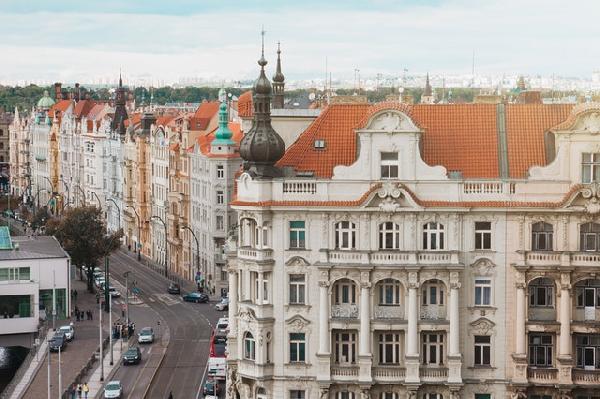
Prague, Czech Republic
The “City of a Hundred Spires,” Prague is a fairy-tale city of medieval architecture, cobblestone streets, and vibrant energy.
Key Attractions
Prague Castle: The largest ancient castle complex in the world. Includes St. Vitus Cathedral, the Old Royal Palace, and Golden Lane.
Charles Bridge: A historic bridge adorned with baroque statues, best experienced at sunrise to avoid crowds.
Old Town Square: Home to the Astronomical Clock, which puts on a show every hour, and the Týn Church.
Jewish Quarter (Josefov): Contains several synagogues and the haunting Old Jewish Cemetery.
Wenceslas Square: A bustling boulevard in the New Town, historically a site for demonstrations and celebrations.
Practical Information
Getting There: Direct train from Budapest (~6-7 hours) or a shorter train from Vienna.
Getting Around: The city center is highly walkable. Metro, trams, and buses cover longer distances.
Food & Drink: Roast Pork with Dumplings and Sauerkraut, Trdelník (pastry), Pilsner Urquell beer.
Currency: Czech Koruna (CZK).
Stay: 2-3 days.
Berlin, Germany
A dynamic and sprawling metropolis, Berlin is a living museum of 20th-century history, fused with a cutting-edge art and club scene.
Key Attractions
Brandenburg Gate: The iconic symbol of Berlin and German reunification.
Berlin Wall Memorial & East Side Gallery: See preserved sections of the Wall, including the open-air East Side Gallery covered in murals.
Reichstag Building: The German parliament. The glass dome offers a spectacular 360-degree view. Registration required in advance.
Museum Island: A UNESCO site with five world-class museums, including the Pergamonmuseum.
Checkpoint Charlie: The famous Cold War border crossing point, now a popular tourist site.
Memorial to the Murdered Jews of Europe: A powerful and poignant field of stelae in the city center.
Practical Information
Getting There: Direct train from Prague (~4.5 hours).
Getting Around: Extensive U-Bahn (subway), S-Bahn (urban rail), tram, and bus network. A Berlin WelcomeCard is highly recommended.
Food & Drink: Currywurst, Döner Kebab, Eisbein (pork knuckle). Experience a beer garden.
Stay: 3-4 days.
Frankfurt, Germany
A global financial hub known for its futuristic skyline, Frankfurt also boasts a charming, reconstructed old town.
Key Attractions
Römerberg:The historic old town square with half-timbered buildings and the Justice Fountain.
St. Bartholomew’s Cathedral (Kaiserdom):A Gothic cathedral where Holy Roman Emperors were elected.
Main Tower:The only skyscraper with a public viewing platform, offering unparalleled views of the city.
Museumsufer (Museum Embankment):A cluster of museums on both sides of the River Main.
Palmengarten:A beautiful botanical garden offering a peaceful escape.
Practical Information
Getting There:Direct high-speed train (ICE) from Berlin (~4 hours).
Getting Around:Trams, U-Bahn, and S-Bahn are efficient. The city center is compact and walkable.
Food & Drink:Green Sauce (Grüne Soße) with eggs and potatoes, Handkäse mit Musik (cheese specialty), Apfelwein (apple wine).
Role:Serves as a major travel hub for flights and trains into the next leg of the journey to Switzerland.
Stay:1-2 days.
Zurich, Switzerland
A pristine and efficient global banking center set on the shores of Lake Zurich, with a charming old town and a vibrant cultural life.
Key Attractions
Old Town (Altstadt):A maze of narrow streets on both sides of the Limmat River, filled with historical buildings, guild houses, and churches.
Lake Zurich:Take a boat cruise or relax on its shores for stunning Alpine views.
Bahnhofstrasse:A world-famous shopping street leading from the main station to the lake.
Fraumünster:Famous for its stained-glass windows by Marc Chagall.
Uetliberg Mountain:A local mountain offering hiking trails and a panoramic view over the city, lake, and Alps.
Practical Information
Getting There:A direct train from Frankfurt (~4 hours) with spectacular scenery as you enter Switzerland.
Getting Around:S-Bahn trains cover the city and surrounding areas. Trams are excellent for inner-city travel. The Zurich Card offers unlimited transport and museum entries.
Cuisine & Costs:A global culinary scene. Swiss specialties include Zürcher Geschnetzeltes (veal in cream sauce) and Fondue. Note: Switzerland is significantly more expensive than its neighbors.