Barcelona Travel Guide: The Heart of Catalonia
Barcelona, the vibrant capital of Catalonia, is a city that dances to its own rhythm. Nestled between the serene Mediterranean Sea and the forested Collserola hills, it is a metropolis renowned for its unique art and architecture, rich history, passionate culture, and a zest for life that is palpable in its bustling streets and tranquil plazas. This guide provides a comprehensive overview of Barcelona and its surrounding areas, offering practical information and local insights for travelers seeking to immerse themselves in the Catalan experience.
Introduction to Barcelona
Barcelona is a city of fascinating contrasts. Its history spans over 2,000 years, from its origins as a Roman colony to its glory days during the Medieval period and its transformation through the Modernisme movement. Today, it stands as a global city that seamlessly blends its ancient Gothic Quarter with the fantastical, curving lines of Antoni Gaudí’s masterpieces. The city is not just a collection of sights; it is an atmosphere. It’s the sound of Catalan spoken in its markets, the taste of fresh seafood by the beach, the late-night energy of its tapas bars, and the serene beauty of its panoramic views. Understanding Barcelona requires appreciating its dual identity—both as a proud Catalan capital and a dynamic Spanish and European hub.
Top Attractions and Must-See Sights
Architectural Marvels & Gaudi’s Legacy
No visit to Barcelona is complete without exploring the unique architectural landscape defined by Modernisme, with Antoni Gaudí as its most famous proponent.
La Sagrada Família: Gaudí’s unfinished masterpiece and the city’s most iconic landmark. This basilica is a symphony of nature-inspired design, with soaring towers that mimic trees and intricate facades depicting biblical stories. Booking tickets online well in advance is essential to avoid long queues.
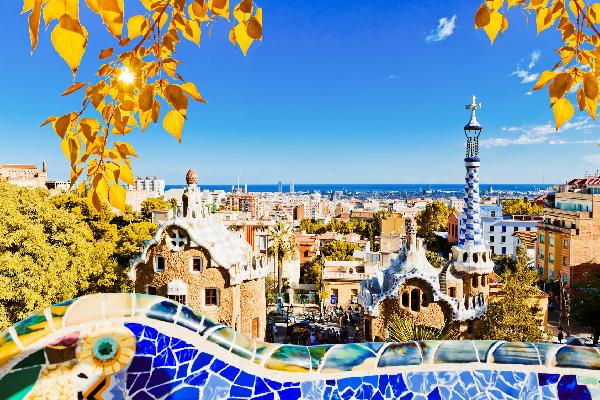
Park Güell: A whimsical public park that feels like a fairytale land. Originally designed as a housing estate, it now offers stunning mosaic-covered structures, winding pathways, and breathtaking views of the city. The Monumental Zone requires a timed ticket.
Casa Batlló & Casa Milà (La Pedrera): Located on the prestigious Passeig de Gràcia, these two buildings are prime examples of Gaudí’s organic architecture. Casa Batlló, with its skeletal facade, and Casa Milà, with its wave-like stone wall and surreal rooftop chimneys, are both open for tours.
Palau de la Música Catalana: A stunning concert hall designed by Lluís Domènech i Montaner, another master of Modernisme. Its auditorium is a kaleidoscope of stained glass, sculpture, and colorful mosaics. Attending a concert is a magical experience, but guided tours are also available.
Historic Quarters
Barcelona’s history is best explored on foot through its ancient neighborhoods.
Gothic Quarter (Barri Gòtic): The heart of the old city, a maze of narrow medieval streets, hidden plazas, and historic buildings. Key sites include the Barcelona Cathedral, the Roman walls, and the charming Plaça Reial.
El Born: Adjacent to the Gothic Quarter, El Born is a trendy neighborhood packed with boutique shops, stylish bars, and cultural sites like the magnificent Santa Maria del Mar basilica and the Picasso Museum, which houses an extensive collection of the artist’s early works.
El Raval: A multicultural and bohemian district, home to the contemporary art museum MACBA and the Centre de Cultura Contemporània de Barcelona (CCCB). It offers a grittier, more alternative vibe compared to the Gothic Quarter.
Views and Open Spaces
Montjuïc: A broad hill overlooking the city and harbor. It hosts several attractions, including the Montjuïc Castle, the Magic Fountain (with spectacular light and music shows), the National Art Museum of Catalonia (MNAC), and the Olympic facilities from the 1992 Games. The cable car offers spectacular views.
Tibidabo: The highest peak in the Collserola range, offering the most panoramic view of Barcelona. At the summit, you’ll find the Sagrat Cor church and a charming, historic amusement park.
Ciutadella Park: The city’s central green lung, perfect for a stroll, a boat ride on the lake, or visiting the Catalan Parliament and the Barcelona Zoo.
Culinary Delights: Food and Drink
Catalan cuisine is a highlight of any trip, characterized by fresh ingredients, Mediterranean influences, and traditional recipes.
Must-Try Dishes
Paella: While originally from Valencia, this saffron-infused rice dish is a Spanish staple. For an authentic experience, look for restaurants specializing in it, particularly on Thursdays (a traditional day for paella).
Tapas: Small plates meant for sharing. Classics include patatas bravas (fried potatoes with spicy sauce), jamón ibérico (cured ham), pimientos de padrón (fried green peppers), and gambas al ajillo (garlic shrimp).
Calçots: A seasonal winter delicacy. These giant spring onions are grilled over an open fire and served with romesco sauce. They are eaten at lively outdoor gatherings called calçotades.
Crema Catalana: The local version of crème brûlée, a creamy custard topped with caramelized sugar.
Where to Eat and Drink
La Boqueria Market: A vibrant, bustling market off La Rambla. It’s a feast for the senses where you can sample fresh juices, cheeses, and seafood at the market bars.
Tapas Bars in Gràcia or El Born: For a more local experience, venture into these neighborhoods to find authentic tapas bars away from the main tourist crowds.
Bodegas: Traditional wine bars where you can sample local wines from Penedès or Priorat regions, often accompanied by simple, high-quality tapas.
Getting Around: Transportation Guide
Barcelona has an efficient and extensive public transportation system.
From the Airport
Barcelona-El Prat Airport (BCN) is located about 12 km southwest of the city center.
Aerobús: An express bus service that runs frequently to Plaça Catalunya in the city center. It is often the fastest and most convenient option.
RENFE Train: The R2 Nord line connects the airport to several central stations like Passeig de Gràcia and Barcelona Sants.
Metro: Line L9 Sud connects both airport terminals to the metro network.
Taxi: A fixed fare applies for journeys between the airport and the city center.
Within the City
Metro: The backbone of city transport, with an extensive network that is fast, reliable, and easy to navigate. It operates from 5 AM until midnight Sunday-Thursday, and until 2 AM on Fridays and all night on Saturday.
Buses: Complement the metro system and are useful for reaching destinations not served by the subway.
TMB Integrated Tickets:The Hola BCN! travel card offers unlimited travel on metro, buses, and other public transport for 2 to 5 days. Single-journey T-casual tickets are also available for multiple rides.
Walking: The city center is very walkable, and exploring on foot is the best way to discover hidden gems.
Bicing: The city’s public bike-sharing system, primarily for residents but tourists can use other private services.
Where to Stay: Accommodation Tips
Barcelona offers a wide range of accommodation to suit all budgets and preferences. Choosing the right neighborhood is key to your experience.
Eixample: Ideal for first-time visitors. This grid-planned district is central, safe, and home to many of Gaudí’s masterpieces. It offers a wide range of hotels, from luxury to mid-range.
Gothic Quarter & El Born: Perfect for those who want to be in the heart of the historic old city. Expect charming boutique hotels and apartments nestled in ancient streets, though it can be noisy at night.
Gràcia:A formerly independent village absorbed by the city, Gràcia has a bohemian, village-like atmosphere with lively plazas full of cafes and bars. It’s less touristy but well-connected by metro.
El Raval & Poble-sec: These areas offer a more alternative and multicultural vibe with a growing number of trendy hotels and budget hostels. They are also home to some of the city’s best tapas bars.
Barceloneta & Beach Areas: Great for travelers who want to be near the sea. The area has a resort-like feel but can be crowded and noisy in the summer.
Cultural Insights and Local Etiquette
Understanding local customs will greatly enrich your visit.
Language
The official languages are Catalan and Spanish (Castilian). While most people in tourist areas speak English, learning a few basic phrases in Catalan or Spanish is appreciated. “Bon dia” (Good day), “Si us plau” (Please), and “Gràcies” (Thank you) in Catalan will go a long way.
The Catalan Identity
Catalonia has a distinct cultural identity with its own language, traditions, and history. Many Catalans are fiercely proud of their heritage. It is important to be respectful and understand that this is not merely a Spanish region but a nation with a strong sense of self.
Daily Rhythm
Barcelona operates on a later schedule than many other European cities. Lunch is typically from 2 PM to 4 PM, and dinner is rarely before 9 PM. Many shops close for a siesta in the afternoon (approximately 2 PM – 5 PM). Nightlife starts very late, with clubs often not filling up until after 1 AM.
Tipping
Tipping is not as customary or expected as in some countries. In restaurants, it is common to leave small change or round up the bill. For exceptional service, a tip of 5-10% is generous but not obligatory.
Exploring Beyond Barcelona: Day Trips
The region surrounding Barcelona is diverse and easily accessible, offering everything from medieval monasteries to coastal villages.
Montserrat
A multi-peaked rocky mountain range about an hour northwest of Barcelona. It is home to the Santa Maria de Montserrat Abbey, which houses the revered Black Madonna statue. Visitors can hike through surreal rock formations, listen to the famous boys’ choir (L’Escolania), and enjoy stunning views. Reached by train or organized tour.
Sitges
A charming coastal town located 35 minutes south by train. Known for its beautiful beaches, historic old town, and vibrant cultural scene, including its famous international film festival and Carnival celebrations. It has a lively and welcoming atmosphere.
Girona
A historic city less than 40 minutes away by high-speed train. Girona boasts one of Europe’s best-preserved Jewish Quarters (El Call), a magnificent cathedral with the widest Gothic nave in the world, and colorful houses hanging over the Onyar River. It was also a key filming location for *Game of Thrones*.
Costa Brava
The “Wild Coast” north of Barcelona is famous for its rugged cliffs, secluded coves (calas), and crystal-clear waters. Towns like Cadaqués (where Salvador Dalí lived), Tossa de Mar, and Begur are perfect for exploring this picturesque coastline. Accessible by bus or car.
Tarrega: The Human Towers (Castells)
For a deep cultural immersion, visit Tarrega or other towns in the interior during their local festivals to witness “castells” – the breathtaking tradition of building human towers. This practice is a powerful symbol of community strength and coordination.
Practical Tips for a Smooth Trip
Siesta & Sunday Closures: Many smaller shops and businesses close on Sunday afternoons and for a few hours in the afternoon on weekdays. Plan your shopping accordingly.
Sustainable Travel: Use public transport or walk whenever possible. Carry a reusable water bottle; Barcelona’s tap water is safe to drink.
Shopping: Look for locally made products like Cava (Spanish sparkling wine), olive oil, and ceramics. Avoid overpriced souvenirs on La Rambla.
Solo & Family Travel: Barcelona is generally very safe for solo travelers and families. Standard precautions against pickpocketing in crowded areas should be taken.
Tickets & Reservations: For major attractions like Sagrada Família and Park Güell, book tickets online weeks or even months in advance to secure your preferred time slot and avoid disappointment.
A journey to Barcelona is more than a vacation; it is an immersion into a culture that celebrates creativity, community, and the joy of living. From its architectural wonders to its sun-drenched beaches and vibrant culinary scene, this Catalan capital offers an unforgettable experience that will leave you longing to return.