Balkan Explorer: Serbia, Montenegro, and Bosnia & Herzegovina
This comprehensive travel guide covers a captivating circular route through the heart of the Western Balkans, connecting three distinct nations: Serbia, Montenegro, and Bosnia & Herzegovina. The itinerary begins and ends in Belgrade, Serbia, and takes you through stunning national parks, Adriatic coastlines, and historic cities rich with diverse cultures and complex histories. The journey is designed for travelers seeking a blend of nature, history, and urban exploration over approximately two to three weeks.
Introduction to the Region
The Western Balkans is a region of immense natural beauty and a complex, layered history. Serbia, Montenegro, and Bosnia & Herzegovina, all former Yugoslav republics, offer a unique travel experience where East meets West, Orthodox, Catholic, and Islamic influences intertwine, and rugged mountains give way to sparkling seas. This itinerary is logistically efficient, minimizing backtracking and offering a diverse range of experiences.
Best Time to Travel
May-June & September: Ideal. Pleasant temperatures for hiking and city exploration, fewer crowds, and lower prices than peak summer.
July-August: Peak season. Hot weather, especially on the coast (Budva, Kotor), which can be crowded. Mountain areas (Zlatibor, Durmitor) offer a pleasant escape.
October-April: Off-season. Many coastal towns are quiet. Ski resorts are active in winter. Some mountain roads and passes may be closed due to snow.
Visa Requirements
Check requirements based on your nationality. Many passport holders (e.g., EU, US, Canada, UK, Australia) do not need a visa for short tourist stays in all three countries. Ensure your passport is valid for at least three months beyond your planned departure date.
Currency
Serbia: Serbian Dinar (RSD). Not part of the EU.
Montenegro: Euro (EUR). Unilaterally adopted the euro; not part of the Eurozone.
Bosnia & Herzegovina: Convertible Mark (BAM). Pegged to the euro.
Credit cards are widely accepted in cities but carry cash for smaller establishments, rural areas, and markets.
Language
Serbian, Montenegrin, and Bosnian are mutually intelligible standard varieties of the Serbo-Croatian language. English is widely spoken by younger people in urban centers and tourist areas. Learning a few basic phrases (Hello = Zdravo / Ćao, Thank you = Hvala) is appreciated.
Transportation
This itinerary is best done by a combination of bus and car.
Bus: The most common and efficient way to travel between cities in the Balkans. Networks are extensive and relatively inexpensive. Companies like FlixBus operate in the region.
Car Rental: Offers maximum flexibility, especially for exploring national parks like Durmitor. Pick up in Belgrade and drop off in Sarajevo or back in Belgrade (check for cross-border and one-way fees).
Train: Less developed and slower than buses, but scenic routes (like Belgrade-Bar) can be an experience.
The Itinerary
1. Belgrade, Serbia
The journey starts in Serbia’s vibrant capital, a city of dynamic energy at the confluence of the Sava and Danube rivers.
Key Attractions:
Belgrade Fortress (Kalemegdan): A vast park and fortress complex offering panoramic views of the rivers and the city. Houses a military museum and an Orthodox church.
Skadarlija: Belgrade’s bohemian quarter, a cobblestone street lined with traditional kafanas (taverns) offering live music and Serbian cuisine.
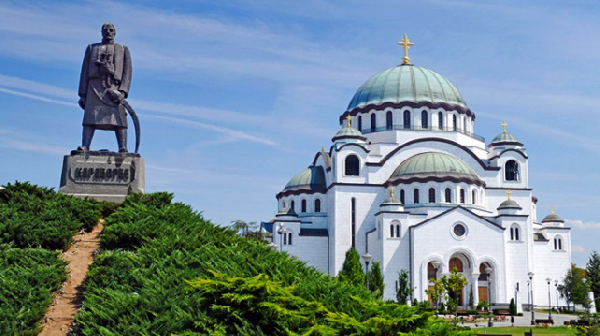
Saint Sava Temple: One of the largest Orthodox churches in the world, an iconic landmark with a stunning interior.
Nikola Tesla Museum: A fascinating museum dedicated to the famous inventor, featuring his personal items and interactive demonstrations.
Republic Square (Trg Republike): The city’s main square, home to the National Museum and National Theatre.
Practical Information:
Getting There: Belgrade Nikola Tesla Airport (BEG) is well-connected internationally.
Getting Around: Walkable city center. Public transport (buses, trams) is efficient and cheap. Taxis are affordable but use reputable companies or apps.
Accommodation: From hostels in the Savamala district to boutique hotels in Stari Grad (Old Town).
Food & Drink: Try ćevapi (grilled minced meat), pljeskavica (Balkan burger), and kajmak (dairy spread). Rakija (fruit brandy) is the national drink.
Tip: Spend at least two full days in Belgrade to absorb its atmosphere. Enjoy the nightlife on splavovi (river barges).
2. Zlatibor, Serbia
A popular mountain resort town known for its fresh air, beautiful landscapes, and traditional Serbian village of Sirogojno.
Key Attractions:
Sirogojno Open-Air Museum (Staro Selo): An ethno-village showcasing traditional wooden architecture and the way of life in 19th-century Zlatibor.
Tornik Peak: The highest peak on the mountain, accessible by chairlift for breathtaking views.
Stopića Cave: A fascinating cave with unique “bathtub” formations created by water erosion.
Gostilje Waterfall: A scenic waterfall located in a forested area.
Practical Information:
Getting There: ~3-4 hour bus ride from Belgrade. Buses are frequent.
Accommodation: Numerous hotels, guesthouses, and private apartments.
Food & Drink: Zlatibor is known for its high-quality meats and dairy products. Try Zlatiborski pršut (prosciutto) and kajmak.
3. Durmitor National Park, Montenegro
A UNESCO World Heritage site and a paradise for nature lovers, centered around the Durmitor massif with glacial lakes, deep canyons, and dense pine forests.
Key Attractions:
Tara River Canyon: The deepest canyon in Europe, offering spectacular views and world-class white-water rafting.
Black Lake (Crno Jezero): The largest and most accessible of Durmitor’s 18 glacial lakes, a short walk from the main town of Žabljak.
Žabljak: The main hub for exploring the park, a small town at an altitude of 1,450 meters.
Bobotov Kuk: The highest peak in Durmitor (2,523 m) for experienced hikers.
Đurđevića Tara Bridge: A magnificent concrete arch bridge over the Tara River canyon, a famous photo spot.
Practical Information:
Getting There: From Zlatibor, take a bus to Nova Varoš or Prijepolje, then transfer to a bus to Žabljak. The journey can be long (5-6 hours total) due to connections and mountainous roads. A rental car provides much more flexibility.
Accommodation: Hotels and guesthouses in Žabljak; ethno villages and mountain huts in the park.
Activities: Hiking (marked trails), rafting (spring and early summer best), skiing (in winter), zip-lining across the Tara Canyon.
Warning: Mountain weather is unpredictable. Pack warm layers and rain gear even in summer. Some roads through the park are seasonal and may be closed by snow from October to May.
4. Podgorica, Montenegro
5. Budva, Montenegro
6. Kotor, Montenegro
7. Trebinje, Bosnia & Herzegovina
8. Mostar, Bosnia & Herzegovina
9. Sarajevo, Bosnia & Herzegovina
10. Novi Sad, Serbia