An Epic Iberian & French Grand Tour: From Paris to Lisbon and Back
This comprehensive travel guide outlines a magnificent circular journey starting and ending in Paris, weaving through the vibrant cultures of Spain and Portugal, with a return through the picturesque landscapes of southwestern France. This itinerary is designed for travelers seeking a deep immersion into the history, cuisine, and diverse scenery of Western Europe. The route encompasses iconic cities, historic towns, stunning coastlines, and renowned wine regions.
Route Overview and Logistics
This is an extensive road trip, ideally undertaken by rental car for maximum flexibility, though a combination of high-speed trains and regional buses is also feasible. The total distance covers approximately 3,500-4,000 kilometers. Travelers should allocate a minimum of three to four weeks to complete this journey at a comfortable pace, allowing for multiple-night stays in major hubs like Barcelona, Madrid, and Lisbon.
Best Time to Travel: Late spring (May-June) and early autumn (September-October) offer pleasant temperatures, fewer crowds, and ideal conditions for both city exploration and coastal drives.
Accommodation Tip: Book accommodations in major cities like Barcelona, Madrid, and Lisbon well in advance, especially during peak season. Consider staying in pousadas (historic hotels) in Portugal and paradores in Spain for unique lodging experiences.
Transportation: A rental car is highly recommended. Ensure it allows for cross-border travel. Major highways are excellent, but tolls can be expensive, particularly in France and Spain. For train travel, consider passes like Eurail, but book high-speed train reservations early.
Stage 1: France to Catalonia (Paris – Toulouse – Figueres – Girona – Barcelona)
Paris, France
The journey begins in the French capital, a city that needs little introduction. Before departing south, travelers can soak in the iconic atmosphere of the Champs-Élysées, the Eiffel Tower, and the Louvre.
Attractions: Musée d’Orsay, Montmartre and Sacré-Cœur, Notre-Dame Cathedral (exterior), Seine River cruise.
Food & Drink: Croissants from a local boulangerie, coffee at a sidewalk café, classic bistros for Steak Frites, and patisseries for exquisite pastries.
Transport: The drive from Paris to Toulouse takes about 6-7 hours on the A10/A62 motorways. The TGV train is a faster alternative.
Toulouse, France
Known as “La Ville Rose” (The Pink City) due to its distinctive terracotta brick buildings, Toulouse is a vibrant hub of aerospace and university life.
Attractions: Capitole de Toulouse (city hall and square), Basilica of Saint-Sernin (a UNESCO World Heritage site), Cité de l’Espace (space museum).
Food & Drink: Cassoulet (a rich bean and meat stew), Toulouse sausages, and Violette de Toulouse liqueur or candies.
Cultural Insight: Toulouse has a unique Occitan cultural heritage, which is distinct from northern France.
Figueres and Girona, Spain
Crossing the Pyrenees into Catalonia, the first stop is Figueres, the birthplace of Salvador Dalí.
Attractions in Figueres: The Dalí Theatre-Museum is a must-see, a surrealist masterpiece housing the largest collection of his works.
Attractions in Girona: A beautifully preserved medieval city with a stunning Jewish Quarter (Call), an impressive Gothic cathedral with the widest Gothic nave in the world, and colorful houses hanging over the Onyar River.
Food & Drink: In Girona, the world-renowned restaurant El Celler de Can Roca is located, but securing a reservation is challenging. Instead, enjoy Catalan classics like botifarra (sausage) and suquet (fish stew) at local taverns.
Barcelona, Spain
The cosmopolitan capital of Catalonia is a feast for the senses, renowned for its unique architecture, bustling street life, and beach culture.
Attractions: The Sagrada Família and other Antoni Gaudí masterpieces like Park Güell and Casa Batlló; the Gothic Quarter (Barri Gòtic); Las Ramblas (be mindful of pickpockets); Montjuïc Hill for panoramic views.
Food & Drink: Tapas hopping in the El Born or Gràcia neighborhoods, Paella by the Barceloneta beach, washed down with Cava or Sangria. Visit La Boqueria Market for a sensory overload.
Accommodation Tip: Stay in Eixample for modernist architecture or El Born for a medieval, trendy vibe.
Cultural Insight: Barcelona has a strong Catalan identity. Learning a few words like “Bon dia” (Good day) and “Gràcies” (Thank you) is appreciated.
Stage 2: The Heart of Spain (Zaragoza – Madrid – Toledo)
Zaragoza, Spain
A historical city halfway between Barcelona and Madrid, Zaragoza is famed for its Basilica dedicated to the Virgin Mary.
Attractions: Basilica del Pilar on the banks of the Ebro River, Aljafería Palace (an 11th-century Islamic palace), and the Roman ruins.
Food & Drink: Try ternasco de Aragón (roast lamb) and various migas (fried breadcrumbs with ingredients).
Madrid, Spain
The vibrant Spanish capital is located in the geographical center of the country, known for its elegant boulevards, sprawling parks, and world-class art museums.
Attractions: The Prado Museum, Reina Sofía Museum (home to Picasso’s Guernica), Royal Palace, Retiro Park, and the bustling Puerta del Sol and Plaza Mayor.
Food & Drink: Indulge in a chocolate con churros at San Ginés, experience the tapas culture in the La Latina neighborhood, and try Cocido Madrileño (a hearty chickpea-based stew).
Transport: Madrid has an excellent and easy-to-navigate metro system. The drive from Zaragoza is about 3 hours on the A-2 motorway.
Toledo, Spain
A short drive from Madrid, Toledo is a UNESCO World Heritage site known as the “City of Three Cultures” for its historical co-existence of Christian, Muslim, and Jewish communities.
Attractions: The imposing Alcázar, Toledo Cathedral (a prime example of High Gothic architecture), the Synagogue of Santa María la Blanca, and the Monastery of San Juan de los Reyes. Wander the labyrinthine streets of the old town.
Food & Drink: Toledo is famous for its marzipan (mazapán), partridge stew (perdiz estofada), and Manchego cheese.
Cultural Insight: The city’s history is palpable in its architecture and layout, representing a golden age of cultural tolerance in medieval Spain.
Stage 3: Into Portugal (Badajoz – Lisbon – Sintra – Cabo da Roca)
Badajoz, Spain
A strategic border fortress city on the way into Portugal, Badajoz offers a glimpse into Spain’s less-touristed Extremadura region.
Attractions: The Alcazaba of Badajoz (Moorish fortress), the Cathedral of St. John the Baptist, and the Plaza Alta.
Lisbon and Surroundings, Portugal
Crossing into Portugal, the route heads to its stunning capital, Lisbon, and the magical surrounding areas.
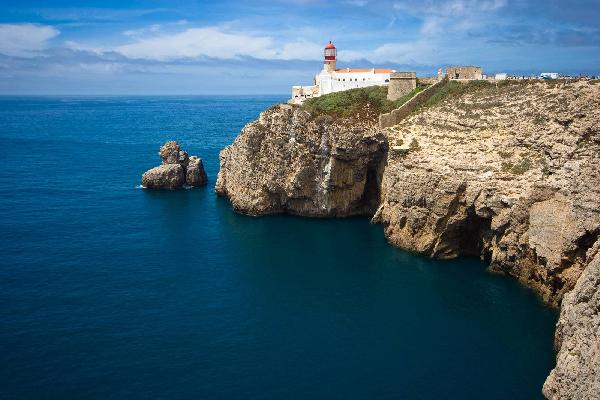
Cabo da Roca: Before Lisbon, visit this dramatic cliff-top location—the westernmost point of continental Europe. The windswept scenery is breathtaking.
Sintra: A fairy-tale town filled with romanticist architecture. Must-sees include the colorful Pena Palace, the Moorish Castle ruins, and the mysterious Quinta da Regaleira with its initiation wells.
Lisbon Attractions: Explore the Alfama district with its narrow streets and Fado music houses, take Tram 28, visit Belém Tower and Jerónimos Monastery (both UNESCO sites), and enjoy the view from São Jorge Castle.
Food & Drink: Feast on Pastéis de Belém (custard tarts), grilled sardines, bifana (pork sandwich), and fresh seafood. Drink Ginjinha (a sour cherry liqueur).
Accommodation Tip: Chiado and Príncipe Real are central and chic neighborhoods. Alfama offers a more traditional but hilly experience.
Stage 4: Northern Portugal & Spain’s Basque Country (Salamanca – San Sebastián)
Salamanca, Spain
Returning to Spain, Salamanca is a stunning university city whose historic center is built from golden sandstone.
Attractions:The magnificent Plaza Mayor (often considered Spain’s most beautiful), the Old and New Cathedrals, and the historic University building. Look for the frog carved on the university’s facade—a symbol of good luck for students.
Food & Drink: Hornazo (a savory meat-stuffed pie), Jamón Ibérico from the nearby region, and wines from the Ribera del Duero.
San Sebastián (Donostia), Spain
A jewel of the Basque Country, San Sebastián is renowned for its beautiful La Concha beach and its status as a world capital of gastronomy.
Attractions: La Concha Bay and Promenade, Monte Igueldo for panoramic views, the Parte Vieja (Old Town) for pintxo bars, and the Peine del Viento sculptural ensemble by Eduardo Chillida.
Food & Drink: This is the home of pintxos (small snacks similar to tapas). Go on a pintxo crawl through the Parte Vieja, trying specialties like Gilda (skewered olive, anchovy, and pepper) and txuleton (grilled aged steak). Drink Txakoli (a slightly sparkling white wine) or local cider.
Cultural Insight:The Basque language and culture are profoundly unique and distinct from the rest of Spain. There is a strong sense of regional pride.
Stage 5: The Atlantic Coast & Return to Paris (Dax – Pilat Sand Dune – Bordeaux – Poitiers – Loire Valley)
Dax, France
A historic spa town in the Landes region, known for its thermal mud treatments.
The Pilat Sand Dune (Dune du Pilat), France
The tallest sand dune in Europe, located on the Atlantic coast near Arcachon. Climbing to the top offers spectacular views over the ocean and the forest.
Bordeaux, France
A magnificent city synonymous with wine. The 18th-century architecture of its center is a UNESCO World Heritage site.
Attractions: Place de la Bourse with its Miroir d’Eau (Water Mirror), La Cité du Vin (interactive wine museum), Grand Théâtre, and exploring the charming Saint-Pierre district.
Food & Drink: Obviously, wine tasting from nearby appellations like Médoc, Saint-Émilion, and Pomerol. Pair with entrecôte à la bordelaise (steak with red wine sauce) or Arcachon Bay oysters.
Transport:The drive from San Sebastián to Bordeaux takes about 3 hours via the A63 motorway.
Poitiers, France
A city with a rich history dating back to Roman times, featuring an impressive collection of Romanesque churches.
Attractions: Notre-Dame la Grande church with its intricately sculpted facade, Baptistère Saint-Jean (one of France’s oldest Christian buildings), and Futuroscope theme park just outside the city.
The Loire Valley, France
A final detour through this UNESCO-listed region, famous as the “Garden of France” for its abundance of vineyards, fruit orchards, and artichoke fields, but most notably for its spectacular Renaissance châteaux.
Attractions: Visit a selection of châteaux such as Château de Chambord (the largest), Château de Chenonceau (spanning a river), Château de Villandry (famous gardens), and Château d’Azay-le-Rideau (a water reflection masterpiece). The city of Tours makes an excellent base.
Food & Drink: Taste local wines like Sancerre (white) and Chinon (red). Rillettes (shredded pork pâté) and goat cheese are regional specialties.
The Return to Paris
The final leg from the Loire Valley back to Paris is a straightforward drive of about 2-3 hours on the A10 motorway. This concludes an epic journey through three distinct European cultures, leaving travelers with a lifetime of memories.