A Journey Through Turkey’s Historic Heartland
This guide provides a comprehensive overview of a classic Turkish itinerary, covering the bustling metropolis of Istanbul, the ancient ruins of Ephesus, the surreal landscapes of Cappadocia, and much more. Designed for the independent traveler, it offers objective descriptions and practical information to help you plan your adventure.
Istanbul: The Crossroads of Continents (Start)
Istanbul, straddling the Bosphorus Strait, is a city where Europe and Asia meet. Its rich history as Byzantium and Constantinople is palpable in its majestic architecture, vibrant markets, and diverse culture. A city of minarets and domes, ancient walls and modern art, it serves as the perfect beginning and end to any Turkish journey.
Key Attractions
Sultanahmet District: The historic heart of the city.
Hagia Sophia (Ayasofya): A masterpiece of Byzantine architecture, later a mosque, and now a museum (as of recent updates, it functions as a mosque again). Its massive dome and stunning mosaics are awe-inspiring.
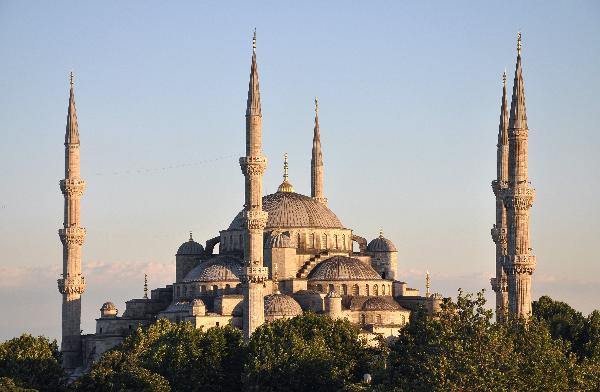
Blue Mosque (Sultanahmet Camii): Known for its beautiful Iznik tile work and six minarets. It is an active place of worship.
Topkapi Palace: The vast palace complex of the Ottoman Sultans, housing imperial treasures, holy relics, and offering stunning views of the Bosphorus.
Basilica Cistern: An underground marvel, this vast subterranean chamber supported by 336 columns was built in the 6th century.
Grand Bazaar: One of the world’s oldest and largest covered markets, with over 4,000 shops selling everything from spices to jewelry.
Spice Bazaar (Egyptian Bazaar): A fragrant market filled with the scents of spices, dried fruits, nuts, and Turkish delight.
Bosphorus Cruise: A boat tour along the strait offers a unique perspective of the city’s palaces, mosques, and waterside mansions (Yalı).
Practical Information for Istanbul
Getting There & Away: Most international flights arrive at Istanbul Airport (IST) or Sabiha Gökçen Airport (SAW). High-speed trains and buses connect Istanbul to other major cities.
Getting Around: The Istanbulkart is a rechargeable card for trams, metro, ferries, and buses. It is highly efficient and recommended.
Accommodation: Areas like Sultanahmet (historic sites), Beyoğlu (modern art & nightlife), and Karaköy (trendy cafes) are popular.
Cuisine: Don’t miss kebabs, mezes, fresh fish by the Bosphorus, simit (sesame bread ring), and Turkish breakfast.
Bursa: The Green City and First Ottoman Capital
Nestled at the foot of Mount Uludağ, Bursa was the first major capital of the Ottoman Empire. It’s known for its early Ottoman architecture, lush green spaces, and as the birthplace of the Iskender kebab. The city has a more relaxed atmosphere compared to Istanbul.
Key Attractions
Grand Mosque (Ulu Cami): An imposing 14th-century Seljuk-style mosque with 20 domes and a beautiful interior fountain (şadırvan).
Koza Han: A historic silk market caravanserai built in the 15th century. It’s a beautiful place to shop for silk products and drink tea in the central courtyard.
Green Mosque (Yeşil Cami) & Green Tomb (Yeşil Türbe): Famous for their exquisite turquoise and green Iznik tile work.
Mount Uludağ: A popular ski resort in winter and a great hiking destination in summer, accessible by cable car.
Cumalıkızık: A nearby Ottoman-era village with well-preserved historic houses, now a UNESCO World Heritage site.
Practical Information for Bursa
Getting There: Easily reached from Istanbul by ferry from Yenikapı or Kabataş to Yalova or Mudanya, followed by a bus or car. The IDO fast ferry is a pleasant option.
Must-Eat: The original Iskender Kebab is a must-try, served with yogurt, tomato sauce, and melted butter.
İzmir: The Pearl of the Aegean
İzmir is Turkey’s third-largest city, a vibrant, modern port city on the Aegean coast with a long history. It’s more liberal and laid-back than Istanbul. The city is built around a vast bay and is dominated by the Kadifekale castle on Mount Pagos.
Key Attractions
Kemeraltı Bazaar: A sprawling historic market offering a labyrinth of streets selling everything from clothing to antiques and spices.
Konak Square & Clock Tower: The clock tower is the symbol of İzmir, located in the heart of the city near the waterfront.
Ancient Agora of Smyrna: The ruins of the Roman marketplace, one of the best-preserved agoras in the world.
Asansör (Elevator): A historical elevator built to connect two streets with a steep cliff between them, now offering a great view of the bay.
Kordon: A long, beautiful promenade along the bay, perfect for a stroll, cycling, or enjoying a drink at one of the many cafes.
Practical Information for İzmir
Getting There: İzmir’s Adnan Menderes Airport (ADB) has domestic and international flights. It’s a major hub for buses and trains.
Role in Itinerary: İzmir serves as an excellent base for exploring nearby ancient sites like Ephesus, Pergamon, and Şirince.
Cuisine: Known for its seafood, boyoz (a pastry), and bomba (a cream-filled dessert).
Ephesus: A Metropolis of the Ancient World
Located near the town of Selçuk, Ephesus is one of the best-preserved classical cities in the Eastern Mediterranean. It was once a major Greek city and later a prominent Roman capital. Walking its marble streets is like stepping back in time.
Key Attractions
The Library of Celsus: The iconic two-story facade is one of the most photographed structures in Turkey. It was built to hold 12,000 scrolls.
The Grand Theatre: A massive theater capable of holding 25,000 spectators. It is where St. Paul is said to have preached.
Curetes Street: The main street of Ephesus, lined with columns, statues, and ruins of shops and monuments.
Temple of Artemis: One of the Seven Wonders of the Ancient World. Today, only a single column and foundations remain.
Terraced Houses: Extraordinarily well-preserved houses of the wealthy, with intricate mosaics and frescoes (requires a separate ticket).
House of the Virgin Mary: A chapel believed by many to be the last home of the Virgin Mary, located on a hill near Ephesus.
Practical Information for Ephesus
Getting There: Ephesus is about an hour’s drive from İzmir. Dolmuş (shared minibuses) from Selçuk are a common way to reach the site.
Tips: Visit early in the morning or late in the afternoon to avoid crowds and the midday heat. Wear comfortable shoes and bring water.
Nearby: The picturesque village of Şirince is famous for its fruit wines and can be visited on the same day.
Pamukkale: The Cotton Castle
Pamukkale is a natural wonder unique in the world. Thermal waters rich in calcium carbonate have cascaded down the mountainside over millennia, creating brilliant white travertine terraces filled with warm, turquoise water. The ancient city of Hierapolis was built on top of this “cotton castle.”
Key Attractions
The Travertine Terraces: Walk barefoot on the warm, mineral-rich terraces and bathe in the thermal pools. The sight is particularly stunning at sunset.
Hierapolis Archaeological Site: Explore the extensive ruins of this Roman spa city.
The Roman Theatre: A remarkably well-preserved theater with a seating capacity of 15,000.
The Necropolis: One of the largest ancient cemeteries in Turkey, with over 1,200 tombs.
The Antique Pool (Cleopatra’s Pool): Swim among submerged Roman columns in warm, mineral-rich water (extra fee applies).
Practical Information for Pamukkale
Getting There: Pamukkale is located near Denizli. Overnight buses from major cities are common. Denizli Çardak Airport (DNZ) has some domestic flights.
Town:The nearby town is also called Pamukkale or is referred to as Karahayıt. It offers various accommodation options.
Visiting the Terraces:The main terraces are protected, and walking is only allowed on designated paths without shoes. Some lower terraces are open for bathing.