A Comprehensive Travel Guide to Reykjavik and Whale Watching
Reykjavik, the world’s northernmost capital, serves as the vibrant and colorful gateway to Iceland’s raw natural wonders. A journey from the city’s charming streets to the open Atlantic for a whale watching tour and back encapsulates a classic Icelandic experience, blending urban culture with breathtaking wildlife encounters. This guide provides a detailed overview for travelers planning this iconic adventure.
Part 1: Exploring Reykjavik – The Smoky Bay
Nestled on the Faxaflói Bay and backed by Mount Esja, Reykjavik is a city of contrasts where traditional turf-roofed houses stand beside sleek, modern architecture. Its compact size makes it perfect for exploration on foot, revealing a rich cultural scene, historical landmarks, and a famously lively nightlife.
Key Attractions in Reykjavik
Hallgrímskirkja Church: This iconic expressionist church, towering over the city skyline, is Reykjavik’s most recognizable landmark. Visitors can take an elevator to the top of the bell tower for a panoramic 360-degree view of the city’s colorful rooftops, the surrounding mountains, and the sea.
Harpa Concert Hall and Conference Centre: A masterpiece of contemporary architecture, Harpa’s geometric glass facade reflects the sky, sea, and city lights. It’s home to the Icelandic Symphony Orchestra and offers guided tours. Even just wandering through its shimmering interior is a captivating experience.
Sun Voyager (Sólfar): Located by the seaside path, this striking stainless steel sculpture resembles a Viking longship. It is not a tribute to the past, but a “dream boat and an ode to the sun,” symbolizing light, hope, and discovery.
Perlan (The Pearl): Situated on Öskjuhlíð hill, this domed structure sits on top of hot water tanks. It houses a nature exhibition featuring a real ice cave, a panoramic observation deck, and a rotating restaurant offering spectacular views.
The National Museum of Iceland: For those interested in the nation’s history, this museum provides a comprehensive overview from the Viking settlement era to the present day through a vast collection of artifacts.
The Old Harbour: A hub of activity, the Old Harbour is not only the departure point for whale watching and Northern Lights tours but also a charming area with excellent seafood restaurants, museums like the Vikin Maritime Museum, and quirky shops.
Food and Drink in Reykjavik
Icelandic cuisine has evolved dramatically, moving beyond its traditional roots to embrace New Nordic innovation.
Traditional Fare: Adventurous eaters can try hákarl (fermented shark), plokkfiskur (a hearty fish stew), or kjötsúpa (traditional lamb soup). For a classic Icelandic hot dog, visit Bæjarins Beztu Pylsur, a famous stand.
Seafood: Given its location, Reykjavik boasts incredibly fresh seafood. Look for langoustine (Icelandic lobster), Arctic char, and cod at restaurants like Fiskfélagið or Fish Market.
New Nordic Cuisine: Reykjavik has a thriving fine-dining scene. Renowned restaurants like Dill and Matur og Drykkur focus on local, seasonal ingredients prepared with modern techniques.
Café Culture: Icelanders are avid coffee drinkers. The city is dotted with cozy cafés like Reykjavik Roasters and Kaffibrennslan, perfect for a warm break and observing local life.
Accommodation Tips for Reykjavik
Reykjavik offers a wide range of accommodations to suit all budgets.
Luxury: For a high-end stay, consider hotels like Canopy by Hilton Reykjavik City Centre or Tower Suites Reykjavik, which offer premium amenities and central locations.
Mid-Range: Boutique hotels such as Alda Hotel or Kvosin Downtown Hotel provide excellent service, stylish rooms, and are ideally situated for exploring on foot.
Budget: Hostels like Kex Hostel or Loft Hi Hostel are popular, social, and well-located options for backpackers and budget-conscious travelers.
Guesthouses & Apartments: For a more local feel, numerous guesthouses and Airbnb apartments are available throughout the city, often providing kitchen facilities.
Booking Tip: It is highly recommended to book accommodation well in advance, especially during the peak summer season (June-August) and around holidays.
Cultural Insights: Reykjavik’s Vibe
Reykjavik’s culture is a blend of Norse heritage and modern creativity. The city has a strong literary tradition, with a high number of published authors per capita. It is also a hub for music, having produced international artists like Björk and Sigur Rós. The weekend nightlife is famously vibrant, starting late and lasting into the early hours. Icelanders are generally reserved but friendly and speak excellent English. Respect for nature is deeply ingrained in the national psyche; you’ll notice a strong emphasis on environmental sustainability.
Part 2: The Whale Watching Adventure from Reykjavik
Embarking on a whale watching tour from the Old Harbour is a highlight for many visitors. The waters of Faxaflói Bay are rich with nutrients, attracting a variety of marine life.
The Whale Watching Experience
Tours typically last 3-3.5 hours. Upon boarding at the Old Harbour, guests are provided with warm flotation suits, which are essential even in summer due to the cold and windy conditions at sea. The boat sails out into the bay, with guides providing informative commentary about the ecosystem and the species you might encounter. The excitement builds as the crew spots spouts or fins in the distance.
Marine Life You Might See
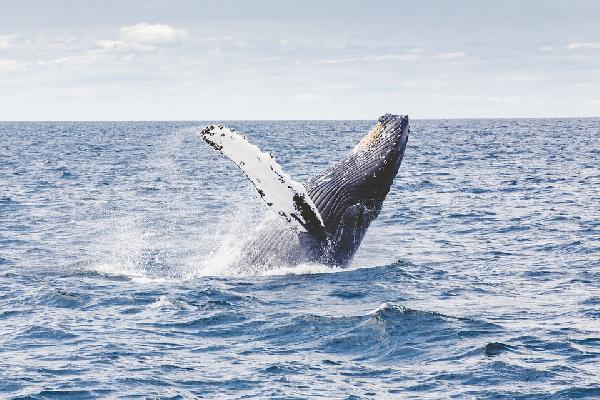
Humpback Whales: The most commonly spotted whales, known for their acrobatic breaches and distinctive flukes.
Minke Whales: Smaller and more elusive, often seen surfacing briefly.
White-Beaked Dolphins: Highly social and playful, frequently seen riding the boat’s bow wave.
Harbor Porpoises: Shy and small, they can be identified by their triangular dorsal fin.
Orcas (Killer Whales): Less common but a magnificent sight if spotted, usually seen in the winter and early spring.
Seabirds: The bay is also home to puffins (seasonally), gannets, Arctic terns, and various gull species.
Choosing a Tour Operator
Several reputable companies operate from the Old Harbour, including Elding, Special Tours, and Whale Watching Hauganes. When choosing, consider:
Sustainability: Look for companies certified by organizations like EarthCheck or those following responsible whale watching guidelines.
Boat Type: Options range from large stable schooners (better for those prone to seasickness) to smaller RIB (Rigid Inflatable Boat) speedboats that offer a faster, more adrenaline-filled ride closer to the water.
Amenities: Most larger boats have indoor heated seating, a café selling snacks and drinks, and restrooms.
Practical Tips for Your Tour
Book in Advance: Tours can sell out, especially in peak season.
Dress Warmly: Wear layers, a windproof and waterproof jacket, a hat, gloves, and sturdy shoes. The provided suit will go over your clothes.
Seasickness Prevention: The North Atlantic can be rough. If you are prone to seasickness, take medication an hour before departure. Many find acupressure wristbands helpful.
Camera Gear: Bring your camera with a zoom lens. A lens cloth is useful to wipe away sea spray.
The “No-Sightings” Policy: Most reputable companies offer a complimentary ticket for another tour if no whales are sighted on your trip.
Part 3: Transportation – Getting To and Around Reykjavik
Arriving in Iceland
Keflavík International Airport (KEF) is Iceland’s main international airport, located about 50 km southwest of Reykjavik.
Transfer to Reykjavik:
Airport Bus (Flybus): The most common method. Buses meet all arriving flights and take passengers to the BSÍ Bus Terminal in Reykjavik. From there, smaller shuttle buses transfer passengers to specific hotels and guesthouses.
Rental Car: All major rental companies have desks at KEF. Renting a car provides maximum flexibility for exploring beyond the city.
Taxi: A very expensive option, costing significantly more than the bus transfer.
Getting Around Reykjavik
On Foot: Reykjavik’s city center is very walkable. Most main attractions, restaurants, and shops are within a comfortable walking distance of each other.
Public Buses (Strætó): The Strætó bus network covers the greater Reykjavik area. You can pay with cash (exact change required) or use the Strætó app for tickets, which is more convenient.
Taxis: Readily available but costly compared to other European cities. Hail them on the street or find them at designated ranks.
Bicycles: Many places offer bike rentals, which is a pleasant way to explore the city and its coastline paths, especially in summer.
A Sample One-Day Itinerary: Reykjavik & Whale Watching
Morning (9:00 AM): Start your day at Hallgrímskirkja. Take the elevator to the top for stunning city views.
Late Morning (10:30 AM): Stroll down Skólavörðustígur street towards Laugavegur, the main shopping street. Pop into local design shops and art galleries.
Lunch (12:30 PM): Enjoy a casual lunch at one of the city’s many cafés or soup kitchens.
Afternoon (1:30 PM): Walk to the Old Harbour. Visit the Vikin Maritime Museum or simply enjoy the atmosphere.
Whale Watching (2:30 PM – 6:00 PM): Check in for your pre-booked whale watching tour. Spend 3-3.5 hours at sea searching for majestic wildlife.
Evening (7:00 PM): After returning to shore, head to a seafood restaurant near the harbour for a well-deserved dinner featuring fresh local catch.
Night (9:00 PM): If it’s a weekend and you have the energy, experience Reykjavik’s famous nightlife with a drink at a cozy bar or a craft beer pub.
A Note on Seasons and Responsible Travel
When to Go
Summer (June-August): Peak season with midnight sun, warmer weather (8-15°C / 46-59°F), lush landscapes, and high chances of seeing whales. This is also puffin season. It is the busiest and most expensive time.
Shoulder Seasons (May & September): Fewer crowds, lower prices, and still good whale watching opportunities. The weather is more unpredictable.
Winter (October-April): Characterized by short days and long nights. This is the best time for seeing the Northern Lights. Whale watching is still possible (with fewer species), but tours are more weather-dependent and can be rougher. Orcas are often seen in winter.
The Importance of Responsible Tourism
Iceland’s fragile environment requires mindful travel practices.
Avoid Disturbing Wildlife: Always maintain a respectful distance from animals, both on land and at sea. Follow your guide’s instructions during whale watching tours.
“Leave No Trace”: Do not litter. Stick to marked paths when hiking to protect sensitive vegetation that takes decades to recover from damage.
Sustainable Choices: Support local businesses, choose eco-certified tour operators, and be conscious of your water and energy usage. Iceland’s hot water is geothermal and abundant, but its electricity is primarily renewable.
Cultural Respect: Be respectful when visiting churches and other cultural sites. Icelanders value their quiet and peaceful environment; avoid being overly loud in residential areas or in nature.
A journey that combines the cosmopolitan charm of Reykjavik with the raw power of a whale watching excursion offers a profound connection to Iceland’s unique character—a place where modern life exists in harmony with some of the planet’s most dramatic natural forces. With careful planning and a respectful approach, this trip can be an unforgettable adventure.