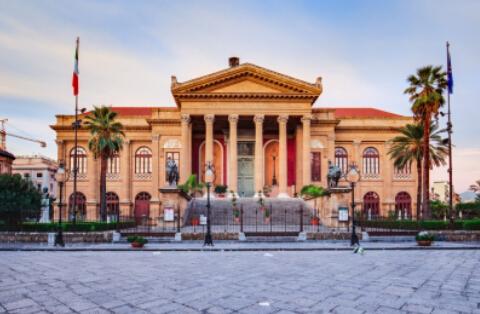
A Comprehensive Travel Guide to Eastern Sicily: Palermo, Agrigento, Syracuse, Catania, Taormina, Etna & Cefalù
This itinerary outlines a classic and immersive loop journey through the heart of Eastern Sicily, showcasing an unparalleled blend of ancient history, vibrant culture, Baroque artistry, volcanic landscapes, and stunning coastal scenery. Traveling from the bustling capital of Palermo down to the Valley of the Temples, along the Ionian coast, and up through the shadow of Mount Etna, this route offers a profound insight into the soul of the Mediterranean’s largest island.
Route Overview & Logistics
The proposed route is a circular tour starting and ending in Palermo:
Palermo → Agrigento → Syracuse → Catania → Taormina & Mount Etna → Cefalù → Palermo. The total driving distance is approximately 700-800 km, best experienced over 10-14 days to fully appreciate each location.
Best Time to Visit: Late spring (April-June) and early autumn (September-October) offer pleasant temperatures, fewer crowds, and lush landscapes. July and August are hot and crowded.
Getting Around: While trains connect major cities like Palermo, Catania, and Syracuse, a rental car is highly recommended for maximum flexibility to explore the Valley of the Temples, smaller hill towns, and Mount Etna at your own pace.
Accommodation Style: Options range from luxury hotels in Taormina and historic palazzi in cities to charming agriturismi (farm stays) in the countryside and boutique B&Bs in historic centers.
Chapter 1: Palermo – The Vibrant Capital
Palermo, Sicily’s chaotic and captivating capital, is a melting pot of cultures where Norman, Arab, and Byzantine influences fuse into a unique architectural and culinary tapestry.
Key Attractions
Palatine Chapel (Cappella Palatina): Located within the Norman Palace, this chapel is a masterpiece of Arab-Norman-Byzantine art, featuring breathtaking golden mosaics and a honey-combed muqarnas ceiling.
Palermo Cathedral: A architectural timeline in stone, showcasing Norman, Gothic, Baroque, and Neoclassical elements. Climb to the roof for panoramic city views.
Quattro Canti: The splendid Baroque square marking the center of old Palermo, dividing it into four historic quarters.
Ballarò Market: A sensory overload of sounds, smells, and colors. This vibrant street market offers everything from fresh fish and produce to local street food.
Catacombs of the Capuchins (Catacombe dei Cappuccini): A haunting and unique site containing thousands of mummified bodies and skeletons dressed in their period clothing.
Sicilian Food & Drink
Street Food: Don’t miss Arancini (fried rice balls), Pane e Panelle (chickpea fritter sandwiches), and Sfincione (Sicilian-style pizza).
Pasta: Try Pasta con le Sarde (pasta with sardines, wild fennel, raisins, and pine nuts).
Sweets: Sample a Cannolo filled with fresh ricotta and visit a traditional pasticceria for Cassata Siciliana.
Transportation & Accommodation
Fly into Palermo Airport (PMO). The city center is compact and best explored on foot. For accommodation, staying in the historic center (e.g., near the Teatro Massimo or the Vucciria market) provides easy access to major sites.
Chapter 2: Agrigento – The Valley of the Temples
The drive from Palermo to Agrigento is approximately 2 hours. Agrigento is home to the Valle dei Templi, one of the most significant archaeological sites in the world, a testament to the wealth and power of the ancient Greek colony of Akragas.
Key Attractions
Valley of the Temples (Valle dei Templi): A vast UNESCO World Heritage site. Key temples include the incredibly well-preserved Temple of Concordia, the Temple of Juno, and the remnants of the Temple of Olympian Zeus.
Archaeological Museum: Houses an excellent collection of artifacts excavated from the valley, providing essential context to the ruins.
Turkish Steps (Scala dei Turchi): A stunning white marl cliff that descends into the turquoise sea, located a short drive from Agrigento. It’s a perfect spot for a sunset visit.
Sicilian Food & Drink
Agrigento’s cuisine is heavily influenced by the sea and the land. Look for dishes based on fresh couscous (a North African influence), sardines, and local almonds used in pastries like
mandorla di Avola.
Transportation & Accommodation
The archaeological site is spread out; wear comfortable shoes and bring water. There is a parking lot near the entrance. Consider staying in a countryside
agriturismo near Agrigento for a peaceful retreat or in the town of Agrigento itself for convenience.
Chapter 3: Syracuse – The Ancient Greek Hub
The journey from Agrigento to Syracuse takes about 2.5 hours. Syracuse was once the most powerful city in the Greek world, rivaling Athens. Its heart is the picturesque island of Ortigia.
Key Attractions
Ortigia Island: The historical center. Wander its labyrinthine streets, visit the magnificent Syracuse Cathedral, built upon the remains of the Temple of Athena, and explore the Fountain of Arethusa, a freshwater spring.
Neapolis Archaeological Park: Home to a spectacular Greek Theatre still used for performances, a Roman Amphitheatre, and the eerie “Ear of Dionysius” limestone quarry.
Museo Archeologico Regionale “Paolo Orsi”: One of Italy’s most important archaeological museums, with collections spanning from prehistoric to Roman times.
Sicilian Food & Drink
Syracuse is famous for its seafood. Enjoy a seafood feast featuring fresh tuna, swordfish, and sea urchin pasta. The area is also known for its almonds and wine, such as the Moscato di Siracusa.
Transportation & Accommodation
Parking in Ortigia can be challenging; it’s best to use a parking garage just outside the island and explore on foot. For an authentic experience, stay in a B&B within the ancient streets of Ortigia.
Chapter 4: Catania – The Baroque City of Lava
A short one-hour drive north from Syracuse lies Catania, a city built from black lava stone, buzzing with energy at the foot of Mount Etna.
Key Attractions
Piazza del Duomo: The main square dominated by the Cathedral of Sant’Agata and the famous symbol of the city, the black lava stone elephant statue (u Liotru).
La Pescheria:The chaotic, vibrant, and unforgettable fish market held every morning (except Sunday) – a true spectacle of Catanese life.
Benedictine Monastery of San Nicolò l’Arena: A massive UNESCO-listed monastery complex, now part of the university, with stunning cloisters and a rooftop offering superb views.
Via Etnea:The city’s main shopping street, which runs straight uphill offering dramatic views of Mount Etna at its end.
Sicilian Food & Drink
Pasta alla Norma: Catania’s signature pasta dish with tomato, fried eggplant, ricotta salata cheese, and basil.
Arancini: In Catania, they are typically cone-shaped and filled with ragù.
Street Food: Try Cipollina (a savory pastry) and Granita with brioche for breakfast – a local tradition.
Transportation & Accommodation
Catania has an international airport (CTA). The city center is walkable but hectic. Staying in the historic center near the Duomo provides easy access to major sites and restaurants.
Chapter 5: Mount Etna & Taormina – Volcano & The Pearl
A short drive from Catania leads to two of Sicily’s most iconic destinations: the mighty Mount Etna and the glamorous cliff-top town of Taormina.
Key Attractions
Mount Etna: Europe’s tallest and most active volcano. Visitors can take a cable car and 4×4 jeep tours to authorized crater areas (always go with a certified guide). Explore lower lava fields and lava caves on foot.
Taormina’s Greek Theatre (Teatro Antico): Famous for its stunningly preserved structure and breathtaking views that frame Mount Etna and the sea.
Corso Umberto:The elegant main street of Taormina, lined with boutique shops, cafes, and historic palazzi.
Isola Bella:A tiny, picturesque island nature reserve connected to the beach below Taormina by a thin strip of sand. Accessible by cable car from the town.
Sicilian Food & Drink
The fertile volcanic slopes of Etna produce exceptional wines (look for Etna Rosso DOC). Food here is robust; try wild mushroom pasta, grilled meats, and anything with pistachios from nearby Bronte.
Transportation & Accommodation
Taormina is perched on a hill; parking is limited and expensive. Use the Lumbi parking garage and take shuttle buses. Accommodation in Taormina is upscale; for more budget-friendly options, consider staying in nearby Giardini Naxos. For Etna, joining an organized tour from Catania or Taormina is often the easiest and safest option.
Chapter 6: Cefalù – The Coastal Gem
The final leg before returning to Palermo is a scenic 2-hour drive to Cefalù, a charming medieval fishing town nestled at the foot of a towering rock with a magnificent beach.
Key Attractions
Cefalù Cathedral:A magnificent Norman cathedral, another UNESCO Arab-Norman site, famed for its spectacular Byzantine mosaics of Christ Pantocrator.
The Old Town:A delightful maze of laundry-strewn streets leading down to the sea. Perfect for leisurely exploration.
Cefalù Beach:A beautiful crescent of golden sand right in front of the old town, ideal for a relaxing swim.
La Rocca:The massive rock overlooking the town. A steep climb rewards hikers with ruins of the Temple of Diana and unparalleled views.
Sicilian Food & Drink
As a fishing village, Cefalù excels in seafood. Enjoy freshly caught fish grilled simply with olive oil and lemon. It’s also a great place for a final granita or cannolo before heading back to Palermo.
Transportation & Accommodation
Cefalù is easily walkable. Parking can be tight in summer; use designated lots on the town’s periphery. It makes for a perfect final overnight stop to unwind before flying out of Palermo, just an hour’s drive away.
Cultural Insights & Practical Tips
Siesta (Riposo): Many smaller shops and businesses close in the afternoon from approximately 1:00 PM to 4:00 PM. Plan your shopping and museum visits accordingly.
Aperitivo: Join the locals for an early evening drink, often accompanied by complimentary snacks, in a piazza.
The Art of Crossing the Street: In busy cities like Palermo and Catania, traffic can seem chaotic. Be confident but cautious when crossing; step off the curb decisively and drivers will usually slow down or stop.
Cash is King: While credit cards are widely accepted in hotels and restaurants, many smaller shops, markets, and cafes prefer cash (Euros).
Tipping: Service charge is often included in restaurant bills. It is customary to leave small change or round up the bill as an extra tip for good service.
Souvenirs: Look for authentic products like ceramic pottery from Caltagirone, salt from Trapani, Malvasia wine from Lipari, or Pantelleria capers.
Sicily is an island that engages all the senses. This journey through its eastern heartland reveals layers of history piled upon one another like strata in an archaeological dig, all set against a backdrop of dramatic natural beauty and infused with a passionate and welcoming culture. A trip here is not just a vacation; it’s an experience that lingers long after you’ve returned home.