A Comprehensive Travel Guide: Reykjavík to Snæfellsnes Peninsula and Back
This guide details a classic Icelandic journey, a loop from the vibrant capital of Reykjavík to the geologically and culturally rich Snæfellsnes Peninsula, often called “Iceland in Miniature.” This route offers a condensed yet profound experience of the country’s dramatic landscapes, from urban charm and geothermal wonders to volcanic craters, black sand beaches, dramatic cliffs, and a majestic glacier-capped volcano.
Trip Overview and Itinerary Planning
The Reykjavík-Snæfellsnes-Reykjavík circuit is ideally suited for a 2 to 4-day road trip, depending on the depth of exploration desired. The total driving distance for the loop is approximately 450-500 kilometers (280-310 miles). The roads are generally well-maintained, with Route 1 (the Ring Road) and Route 54 being the primary arteries.
2-Day Itinerary: A whirlwind tour. Day 1: Drive from Reykjavík to the southern part of Snæfellsnes, visiting key sites like Ytri-Tunga beach, Arnarstapi, and Hellnar, with an overnight stay in Grundarfjörður or nearby. Day 2: Explore Kirkjufell mountain, drive the northern coast, and return to Reykjavík.
3-Day Itinerary: A more relaxed pace. This allows for a more thorough exploration of the peninsula’s south and north coasts, including potential activities like a glacier hike on Snæfellsjökull, a visit to the Shark Museum, or a longer hike in the national park.
4-Day Itinerary: An in-depth experience. This provides ample time for multiple hikes, wildlife watching (especially puffins in season), exploring smaller villages, and enjoying the serene atmosphere without feeling rushed.
The best time to visit is from May to September for milder weather, midnight sun (around June), and accessible roads. The winter months (October to April) offer a chance to see the Northern Lights but come with challenging driving conditions, shorter daylight hours, and some road closures.
Part 1: Reykjavík – The Northernmost Capital
Reykjavík, the world’s northernmost capital, is a colorful, creative, and compact city that serves as the perfect start and end point for any Icelandic adventure. It blends modern Nordic design with a small-town feel.
Key Attractions in Reykjavík
Hallgrímskirkja Church: This iconic concrete church, inspired by basalt lava flows, dominates the city skyline. Visitors can take an elevator to the top of the tower for a panoramic 360-degree view of the city’s colorful rooftops and the surrounding mountains and sea.
Harpa Concert Hall: A architectural masterpiece on the waterfront, Harpa’s honeycombed glass facade reflects the sky and harbor. It’s worth visiting both day and night when it becomes a shimmering light sculpture. Free to enter, it hosts concerts, exhibitions, and has a excellent restaurant.
Perlan (The Pearl): Situated on Öskjuhlíð hill, Perlan offers another spectacular viewing platform. Its “Wonders of Iceland” exhibition includes a real indoor ice cave and a nature simulator. The rotating restaurant at the top provides a unique dining experience.
Sun Voyager (Sólfar): This striking stainless steel sculpture by Jón Gunnar Árnason resembles a Viking longship but is officially a “dream boat and an ode to the sun.” It’s a popular spot for photos, especially at sunset.
The National Museum of Iceland: For those interested in the country’s history and culture, this museum provides a comprehensive overview from the Viking settlement era to the modern day.
Food and Drink in Reykjavík
Reykjavík’s food scene is dynamic, focusing on fresh, local ingredients. Be prepared for higher prices, as most food is imported.
Traditional Icelandic Fare: Sample dishes like Plokkfiskur (a hearty fish stew), Lamb Soup (Kjötsúpa), or for the adventurous, Hákarl (fermented shark) and Brennivín (a caraway-flavored schnapps).
Hot Dog Stand (Bæjarins Beztu Pylsur): A legendary institution. Order “eina með öllu” (one with everything) – a delicious lamb-based hot dog with crispy onions, raw onions, ketchup, sweet mustard, and remoulade.
Seafood: Given its location, Reykjavík excels in seafood. Look for cod, arctic char, langoustine, and salmon on menus.
Café Culture: Reykjavík has a thriving coffee culture. Spending a rainy afternoon in a cozy café is a quintessential local experience.
Fine Dining: The city boasts several world-class restaurants like Dill (Iceland’s first Michelin-starred restaurant) and Grillmarkaðurinn (The Grill Market).
Accommodation in Reykjavík
Accommodation ranges from luxury hotels to budget-friendly hostels and guesthouses. It’s highly advisable to book well in advance, especially during peak season.
Luxury: Hotels like Canopy by Hilton Reykjavík City Centre, Tower Suites Reykjavík, or The Reykjavík Edition offer top-tier amenities and central locations.
Mid-Range: Numerous boutique hotels and well-appointed guesthouses like Alda Hotel Reykjavík or Room With A View provide excellent value and comfort.
Budget: Hostels such as Kex Hostel or Loft Hi Hostel are popular choices for backpackers and budget-conscious travelers, offering social atmospheres and good facilities.
Part 2: The Journey to Snæfellsnes Peninsula
The drive from Reykjavík to the Snæfellsnes Peninsula is scenic in itself. Taking Route 1 north and then merging onto Route 54, travelers are treated to views of rugged coastline, volcanic fields, and distant mountains.
Transportation: Renting a Car
The most flexible and recommended way to explore this route is by renting a car.
Rental Companies: Major international companies (Avis, Budget, Hertz) and local Icelandic companies (Blue Car Rental, Geysir, SADcars) operate from Keflavík Airport and Reykjavík.
Vehicle Type: A 2WD car is sufficient for this trip from late spring to early autumn, as all main roads are paved. For winter travel or if planning to explore any F-roads (mountain roads, none on this main route), a 4WD vehicle is essential.
Insurance: It is highly recommended to purchase full insurance, including Gravel Protection (SAAP) and Sand and Ash Protection (SAAP/CDW), as weather conditions can be unpredictable and gravel chips are common.
Driving Tips: Always check road conditions on road.is and the weather forecast on vedur.is before setting out. Be aware of single-lane bridges and respect speed limits. Off-road driving is strictly illegal.
Alternative: Guided Tours
For those who prefer not to drive, numerous tour operators offer day trips or multi-day tours from Reykjavík to the Snæfellsnes Peninsula. This is a stress-free option that includes transportation and an expert guide.
Part 3: Exploring the Snæfellsnes Peninsula
The Snæfellsnes Peninsula encapsulates Iceland’s diverse geology. At its western tip looms the Snæfellsjökull glacier, a stratovolcano famous for being the entrance to the earth’s core in Jules Verne’s “Journey to the Center of the Earth.”
Southern Coast Attractions
Ytri-Tunga Beach: A golden sand beach famous for its seal colony. From May to August, it’s common to see seals basking on the rocks. Please maintain a respectful distance.
Búðir (Búðakirkja): A stark black wooden church set against a vast lava field. The contrast is breathtaking and makes for a iconic photographic subject. The nearby Búðahraun lava field is perfect for a short walk.
Arnarstapi and Hellnar: Two charming fishing villages connected by a beautiful coastal hiking path (about 2.5 km). At Arnarstapi, admire the massive stone sculpture of Bárður Snæfellsás, a half-human, half-troll figure from local folklore, and the natural stone arch over the sea. Hellnar has a lovely café and a small visitor center explaining the area’s nature and history.
Lóndrangar: These two dramatic volcanic plugs rise precipitously from the ocean. They are the remnants of a larger crater that has been eroded by the sea. The surrounding cliffs are a major bird nesting area.
Djúpalónssandur Beach: A hauntingly beautiful black pebble beach accessed through a dramatic gorge in the lava field. Rusted iron remains of a British trawler that wrecked in 1948 are scattered on the sand. Historically, fishermen tested their strength here using four lifting stones of different weights: “Fullsterkur” (full strength), “Hálfsterkur” (half strength), “Hálfdrættingur” (weakling), and “Amlóði” (useless).
Snæfellsjökull National Park: Centered around the glacier, this park encompasses many of the aforementioned sites. While hiking on the glacier itself requires a certified guide due to crevasse dangers, the lower slopes offer fantastic hiking trails.
Northern Coast Attractions
Grundarfjörður: A picturesque town nestled below Mt. Kirkjufell. This is a popular base for accommodation on the peninsula.
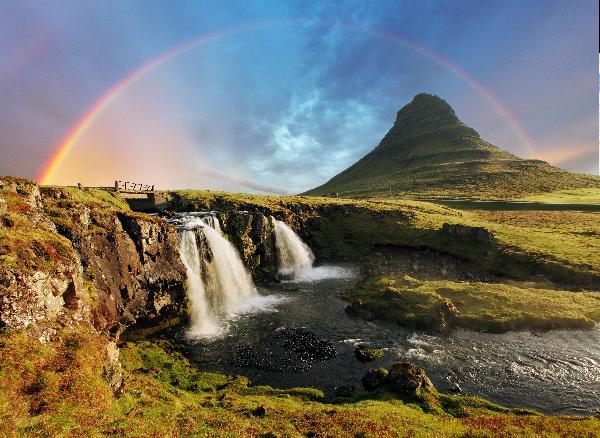
Kirkjufell Mountain: Often cited as the most photographed mountain in Iceland. Its distinct arrowhead shape is stunning from all angles, especially when paired with the nearby Kirkjufellsfoss waterfalls. For the classic shot, photograph the waterfalls with the mountain in the background.
Saxhólar Crater: A perfectly shaped volcanic crater that is easily accessible via a metal staircase to the top. The view from the rim over the vast lava fields is impressive.
Ólafsvík and Svörtuloft Lighthouse: Ólafsvík is one of the oldest trading ports in Iceland. Further west, the bright orange Svörtuloft Lighthouse stands in stark contrast to the dark cliffs and raging Atlantic Ocean.
Berserkjahraun Lava Field: A vast and moss-covered lava field with an intriguing history linked to an Icelandic saga about two Swedish berserkers.
Bjarnarhöfn Shark Museum: For a unique cultural experience, visit this family-run museum to learn about the traditional process of making Hákarl (fermented shark). You can sample the shark here if you dare.
Food and Accommodation on Snæfellsnes
The peninsula offers more limited but charming dining and lodging options compared to Reykjavík. Booking accommodation in advance is crucial.
Food: Many restaurants focus on local ingredients. Try fresh fish from the surrounding waters or lamb from local farms. In Grundarfjörður, restaurants like Bjargarsteinn Mathús offer excellent seafood with a view. The café at Hellnar (Fjöruhúsið) is renowned for its homemade cakes and soup.
Accommodation:
Grundarfjörður: Hotels like Hotel Grundarfjörður and guesthouses provide a central base.
Stykkishólmur: A larger town on the northern side with a good selection of hotels, guesthouses, and the modern Hótel Frón.
Rural Guesthouses and Farm Stays: For a more authentic experience, consider staying at a farm or a rural guesthouse like B&B Breiðavík or Guesthouse Hof.
Cottages: Renting a private cottage is a popular option for families or groups seeking self-catering independence.
Part 4: The Return Journey to Reykjavík
The return drive to Reykjavík can be completed via the northern part of the peninsula or by retracing part of the route. Consider stopping at places you may have missed on the way out.
A Potential Detour: Borgarnes
The town of Borgarnes, located just off Route 1 on the way back to Reykjavík, is worth a stop.
The Settlement Center: An excellent museum that vividly tells the story of Iceland’s early settlement through two exhibitions: one on Egill Skallagrímsson (a Viking poet-hero from the Egils Saga) and another on the discovery and settlement of Iceland itself.
Geirabakari Kaffihús:A famous bakery in Borgarnes known for its delicious cinnamon buns and other pastries—a perfect spot for a coffee break.
Cultural Insights and Practical Tips
Tipping
Tipping is not customary or expected in Iceland. Wages are high, and service charges are included in prices. However, if you receive exceptional service, a small tip is always appreciated but never obligatory.
The Midnight Sun and Northern Lights
The Snæfellsnes Peninsula is an excellent location for experiencing these natural phenomena. For the Midnight Sun (around summer solstice), plan a late evening at a scenic spot like Kirkjufell. For the Northern Lights (September to April), get away from any village lights on a clear night for the best chance of seeing them.
Sustainability and “Leave No Trace”
Iceland’s ecosystem is fragile. Travelers are urged to follow “Leave No Trace” principles: stay on marked paths to protect vegetation, do not litter, and respect wildlife from a distance.
The Icelandic Language
While English is widely spoken, especially in tourist areas, learning a few basic Icelandic phrases is a sign of respect:
“Takk” (Thank you),
“Góðan daginn” (Good day),
“Já” (Yes),
“Nei” (No).
Shopping for Souvenirs
Look for authentic Icelandic products such as lopapeysa (a traditional wool sweater), skyr (a dairy product similar to yogurt), salt licorice, or skincare products made from geothermal ingredients.
Conclusion
The journey from Reykjavík to the Snæfellsnes Peninsula and back is more than just a scenic drive; it is an immersion into the heart of Iceland’s natural beauty and cultural soul. From the cosmopolitan energy of its capital to the raw, elemental power of its western frontier, this loop offers an unforgettable adventure that captures the essence of the Land of Fire and Ice in one magnificent package.