A Comprehensive Travel Guide: Paris, Versailles, Giverny & La Vallée Village
This guide details a classic and enriching itinerary from the French capital to the opulent Palace of Versailles and the serene, inspirational village of Giverny, with a touch of luxury shopping. It is designed to offer a balanced experience of urban energy, royal history, artistic beauty, and countryside charm.
Part 1: Paris – The City of Light
Paris is more than a city; it is an emotion. A sprawling metropolis built on the banks of the Seine, it is a living museum of art, architecture, and gastronomy. Your journey begins here, amidst the iconic landmarks and hidden alleyways.
Key Attractions in Paris
The Eiffel Tower (La Tour Eiffel): No visit is complete without seeing this iron lattice tower. For the best experience, consider booking tickets online weeks in advance for a specific time slot to ascend. Alternatively, the Trocadéro Gardens across the Seine offer the most spectacular panoramic photographs, especially at sunrise or dusk when the tower sparkles.
The Louvre Museum (Musée du Louvre): Housed in a former royal palace, the Louvre is vast. Do not attempt to see everything. Focus on a few key masterpieces like the Mona Lisa, the Venus de Milo, and the Winged Victory of Samothrace. Using the museum’s app or purchasing a guided tour can provide invaluable context and save time.
Notre-Dame Cathedral: While the interior remains closed for restoration after the 2019 fire, the exterior is still a breathtaking example of French Gothic architecture. The surrounding Île de la Cité is a historic heart of Paris worth exploring.
Montmartre & Sacré-Cœur Basilica: This hilltop neighborhood retains a village-like charm. Climb the steps to the gleaming white Sacré-Cœur for a stunning view of the city. Wander through the Place du Tertre, where artists paint and sell their work, and explore the charming, cobblestone streets.
Champs-Élysées & Arc de Triomphe: Walk down the world’s most famous avenue and climb the Arc de Triomphe for a unique, star-shaped view of Paris’s grand urban planning, with twelve avenues radiating from the monument.
Parisian Food & Drink
French cuisine is central to the Parisian experience.
Café Culture: Spend an hour at a sidewalk café sipping an espresso or a glass of wine. It’s a ritual of observation and relaxation.
Patisseries & Boulangeries: Start your day with a buttery, flaky croissant or a pain au chocolat from a local bakery. Visit a patisserie for exquisite pastries like the éclair, tarte au citron, or macarons.
Classic Bistros: For lunch or dinner, seek out a traditional bistro. Must-try dishes include Steak Frites (steak and fries), Coq au Vin, and Duck Confit.
Cheese & Wine: Visit a fromagerie (cheese shop) and a cave à vin (wine shop) to assemble a perfect picnic for the banks of the Seine or a park like the Jardin du Luxembourg.
Transportation in Paris
Paris has an extensive and efficient public transport system, the RATP, which includes the Metro, RER trains, and buses.
Metro: The fastest way to get around the city. A “carnet” (pack of 10 tickets) is cost-effective for multiple journeys.
RER Trains: Faster regional trains that connect central Paris to the suburbs and airports. You will use RER Line C for Versailles.
Walking: Paris is a wonderfully walkable city. Many of its greatest pleasures are discovered by strolling through its neighborhoods (arrondissements).
Part 2: Palace of Versailles (Château de Versailles)
A day trip to Versailles is a journey into the absolute monarchy of Louis XIV, the Sun King. The scale and opulence of the palace and its gardens are designed to overwhelm and impress.
The Palace Interior
The main château is home to a succession of breathtaking rooms.
The State Apartments: A series of lavish rooms used for court ceremonies.
The Hall of Mirrors (Galerie des Glaces): The undeniable highlight. This 73-meter-long gallery is lined with 357 mirrors opposite seventeen arcaded windows overlooking the gardens. It was here the Treaty of Versailles was signed, ending World War I.
The King’s and Queen’s Private Apartments: Offer a more intimate, though still grand, glimpse into royal life.
The Gardens & Estate
The gardens are a masterpiece of landscape architecture by André Le Nôtre.
The Formal Gardens: A vast expanse of manicured lawns, parterres, sculptures, and fountains. The Musical Gardens or Fountain Shows (on select days) bring the grounds to life with Baroque music and dancing water.
The Grand Trianon & Marie-Antoinette’s Estate: A short walk from the main palace, the pink marble Grand Trianon was a royal retreat. Further on is the charming Hamlet (Hameau de la Reine), a rustic village built for Marie-Antoinette to escape the formality of court life.
Practical Tips for Versailles
Book Online: Purchase a “Passport” ticket online in advance to skip the notoriously long ticket lines. This ticket gives access to the entire estate.
Getting There: Take the RER C line from central Paris (e.g., station Invalides, Musée d’Orsay) to the “Versailles Château Rive Gauche” station. The journey takes about 45 minutes. The station is a short walk from the palace entrance.
Timing: Arrive early, right at opening time, to avoid the worst crowds. Allocate a full day for a comprehensive visit.
Comfort: Wear very comfortable shoes. You will walk several miles. The gardens are vast, and renting a golf cart or bicycle can be a wise investment.
Part 3: Giverny – The Impressionist’s Haven
Located in Normandy, about an hour from Paris, Giverny feels like stepping into a living painting. This was the home of Claude Monet from 1883 until his death in 1926, and it was here that he created his most famous works, including the Water Lilies series.
Claude Monet’s House and Gardens
The property is divided into two distinct and stunning parts.
The Clos Normand: This is the flower garden in front of Monet’s house. It is a vibrant, chaotic explosion of color, where flowers are planted in dense clusters and allowed to grow freely. The palette changes with the seasons, offering a different experience from spring through autumn.
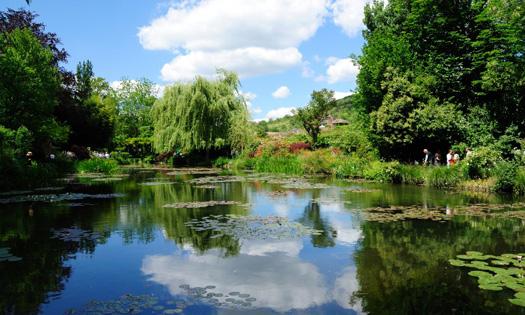
The Water Garden: Accessed via an underground tunnel, this is the iconic scene of Monet’s art. Here you will find the Japanese bridge draped with wisteria, weeping willows, and of course, the pond filled with water lilies (nymphéas). The atmosphere is serene and profoundly beautiful, a direct reflection of his paintings.
The House: Monet’s bright pink house with green shutters is open to visitors. The interior is charming, filled with Japanese prints he collected. The yellow dining room and blue-tiled kitchen are particularly memorable.
The Museum of Impressionisms (Musée des Impressionnismes)
Located just a short walk from Monet’s home, this museum contextualizes his work within the broader Impressionist movement and showcases artists who were inspired by Giverny.
Practical Tips for Giverny
Seasonal Visit: The gardens are only open from late March to early November. The best time to visit is from May to June when the wisteria and rhododendrons are in bloom, or in October for the autumn colors.
Getting There:
By Train: Take a train from Paris’s Gare Saint-Lazare to Vernon. The journey takes about 45 minutes. From Vernon station, you can take a shuttle bus (corresponds with train arrivals), rent a bicycle for a pleasant 15-minute ride along the Seine, or take a taxi to Giverny.
By Guided Tour: Many companies offer day trips from Paris that combine Giverny with Versailles, which can simplify logistics.
Tickets: Book tickets online in advance to secure your entry time, especially during peak season.
Part 4: La Vallée Village – Luxury Outlet Shopping
Situated conveniently near Disneyland Paris, La Vallée Village is not a typical outlet mall. It is an open-air, chic shopping destination designed like a quaint village, hosting over 110 luxury and designer boutiques offering past-season collections at reduced prices.
The Shopping Experience
Brands: You will find a curated selection of international brands such as Gucci, Prada, Saint Laurent, and Givenchy, alongside prestigious French names like Lanvin, Balenciaga, and Maison Margiela.
The Setting: The architecture is elegant, with tree-lined promenades and canals, making for a pleasant shopping environment far removed from crowded indoor malls.
Shopping Tips: Visit the Welcome Center upon arrival to inquire about additional tourist discounts. It’s wise to have a list of items you’re genuinely seeking to avoid impulse buys. Quality can be excellent, but always check items carefully for any imperfections.
Practical Information
Getting There: Take RER A line from central Paris (e.g., Châtelet–Les Halles) eastbound towards Marne-la-Vallée–Chessy / Disneyland Paris. Get off at “Val d’Europe” station. La Vallée Village is a 5-minute walk from the station.
Logistics: This stop can easily be combined with a trip to Disneyland Paris if that is on your itinerary. Alternatively, it can be visited on your return from Giverny by car or as a dedicated half-day trip from Paris.
Crafting Your Itinerary: A Sample 5-Day Plan
Day 1: Paris Arrival & Iconic Sights
Arrive in Paris, settle into your accommodation. Spend the afternoon exploring your local neighborhood. In the evening, take a Seine River cruise to see the city illuminated.
Day 2: Art & Majesty in Paris
Morning: Visit the Louvre (booked in advance). Afternoon: Explore Île de la Cité and the Latin Quarter. Evening: Ascend the Eiffel Tower or enjoy the view from Trocadéro.
Day 3: The Splendor of Versailles
Full day trip. Take an early RER C train to Versailles. Tour the palace first, then spend the afternoon exploring the vast gardens, Trianon estates, and the Queen’s Hamlet.
Day 4: Giverny & Countryside Charm
Take a morning train from Gare Saint-Lazare to Vernon, then proceed to Giverny. Spend several hours immersed in Monet’s gardens and home. Return to Paris in the late afternoon.
Day 5: Shopping & Departure (or Montmartre)
Option A: Take RER A to La Vallée Village for a morning of shopping before your flight.
Option B: If shopping isn’t a priority, spend your final morning exploring Montmartre and Sacré-Cœur for a final dose of Parisian atmosphere before departing.
Cultural Insights & Final Travel Tips
The Language: Always begin interactions with a polite “Bonjour” (Good day) and end with “Merci” (Thank you). Making this small effort is greatly appreciated.
Pace Yourself: This itinerary covers significant ground. Don’t try to rush. The French concept of flâner—to stroll without purpose—is one of the best ways to discover Paris.
Dining Hours: Lunch is typically from 12:30 PM to 2:30 PM, and dinner rarely starts before 7:30 PM. Many restaurants close in the afternoon between lunch and dinner service.
Sustainability: Carry a reusable water bottle; tap water in France is safe to drink. Utilize public transportation as much as possible.
Safety: As in any major tourist city, be aware of your surroundings and guard against pickpockets in crowded areas like the Metro, near major attractions, and on the RER trains.
A journey through Paris, Versailles, and Giverny offers a profound connection to French history, artistic genius, and timeless beauty. By planning ahead and embracing the local rhythm, you will create memories that last a lifetime.