A Comprehensive Travel Guide: Madrid, Segovia, and Ávila
This travel guide outlines a classic and enriching circuit through the heart of Spain, focusing on the vibrant capital of Madrid and two of its most stunning and historically significant UNESCO World Heritage neighbors: Segovia and Ávila. This journey offers a perfect blend of world-class art, breathtaking Roman engineering, formidable medieval walls, and delectable local cuisine.
Trip Overview and Itinerary
This itinerary is designed as a 4 to 5-day loop, starting and ending in Madrid. The proximity of Segovia and Ávila to the capital, and to each other, makes this a highly efficient and rewarding trip. Travelers can use Madrid as a base for day trips or choose to stay overnight in each city for a more immersive experience.
Day 1 & 2: Explore Madrid’s art, parks, and nightlife.
Day 3: Day trip to Segovia to see the Roman Aqueduct, Alcázar, and sample cochinillo.
Day 4: Travel from Segovia to Ávila to walk the magnificent medieval walls, then return to Madrid.
Alternative: Stay overnight in Segovia or Ávila to experience the cities after the day-trippers have left.
Part 1: Madrid – The Vibrant Capital
Madrid, Spain’s central capital, is a city of elegant boulevards, expansive, manicured parks, world-renowned art museums, and an energetic nightlife that pulses until dawn. It is a city that effortlessly blends its royal history with a modern, cosmopolitan vibe.
Key Attractions in Madrid
Museo del Prado: Home to one of the finest collections of European art, with masterpieces by Velázquez, Goya, El Greco, and Bosch. A visit here is a journey through Spanish history and soul.
Royal Palace (Palacio Real): The official residence of the Spanish Royal Family, though now used primarily for state ceremonies. With over 3,000 rooms, it is the largest functioning royal palace in Europe by floor area.
Plaza Mayor: A grand, arcaded square in the heart of Hapsburg Madrid. Surrounded by charming cafes and restaurants, it’s a perfect spot for people-watching.
Retiro Park (Parque del Buen Retiro): A 125-hectare green oasis in the city center. Visitors can rent a rowboat on the lake, visit the stunning Palacio de Cristal, or simply stroll through its beautiful gardens.
Museo Nacional Centro de Arte Reina Sofía: Spain’s national museum of 20th-century art, famously housing Picasso’s monumental anti-war painting, Guernica.
Puerta del Sol: A bustling public square considered the symbolic center of Spain. It is home to the famous clock whose bells mark the traditional eating of the Twelve Grapes on New Year’s Eve.
Madrid Food & Drink
Madrid is a culinary paradise, known for its tapas culture and late-night dining.
Tapas Hopping in La Latina: The Cava Baja street is legendary for its concentration of tapas bars. Hop from one to another, trying small plates of jamón ibérico, croquetas, and patatas bravas.
Cocido Madrileño: A hearty chickpea-based stew, perfect for a cold day. It’s traditionally served in multiple courses.
Churros con Chocolate: A classic breakfast or late-night snack. Dip fried-dough churros into a thick, rich cup of hot chocolate at the historic Chocolatería San Ginés.
Mercado de San Miguel: A beautiful iron-frame market near Plaza Mayor, offering a gourmet tapas experience with a wide variety of high-quality Spanish delicacies.
Transportation in Madrid
Madrid has an excellent and affordable public transportation system.
Metro: The Madrid Metro is extensive, efficient, and the fastest way to get around the city. A 10-trip ticket (“Metrobús”) is cost-effective.
Bus: The EMT bus network complements the metro and is useful for shorter distances or sightseeing above ground.
Walking: The city center is very walkable, with many major attractions located within a reasonable distance of each other.
Accommodation Tips for Madrid
Staying in a central neighborhood provides the best experience.
Centro / Sol: For first-time visitors who want to be in the middle of the action, with easy access to major sights.
Barrio de las Letras: A historic and literary neighborhood with a trendy, sophisticated atmosphere, great restaurants, and boutique hotels.
Salamanca: An upscale district known for its luxury shopping, fine dining, and elegant accommodation.
Chueca: A vibrant, LGBTQ+-friendly neighborhood with a lively nightlife scene and chic boutiques.
Part 2: Segovia – The City of the Fairy-Tale Fortress
A short journey from Madrid lies Segovia, a UNESCO World Heritage site that seems to be plucked from a storybook. Its three iconic monuments—the Roman Aqueduct, the Alcázar castle, and the Gothic Cathedral—tell a story of Roman ingenuity and medieval power.
Key Attractions in Segovia
The Roman Aqueduct: This monumental engineering marvel, built around the 1st century AD, is the symbol of Segovia. Constructed without any mortar, its massive granite blocks hold together by perfect balance and force. It is one of the best-preserved Roman aqueducts in the world.
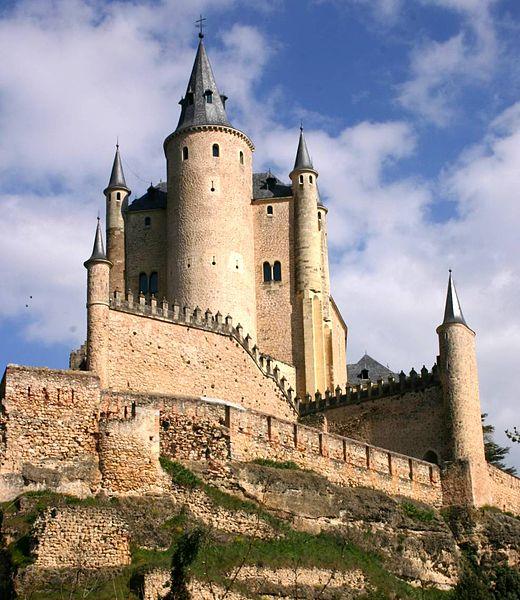
The Alcázar of Segovia: This stunning castle, perched on a rocky crag, is said to have inspired Walt Disney’s Cinderella Castle. Visitors can explore its ornate rooms, the Armory Museum, and climb the Torre de Juan II for breathtaking panoramic views.
Segovia Cathedral: Known as “The Lady of Cathedrals,” this was one of the last Gothic cathedrals built in Spain. Its interior is light and spacious, housing important artworks and a serene cloister.
The Walls (La Muralla): Take a walk along a section of the medieval walls that once protected the city for a different perspective.
Segovia Food & Drink
Segovia is famous for its roast meats and hearty Castilian cuisine.
Cochinillo Asado: The undisputed star of Segovian cuisine. This roast suckling pig is slow-cooked until the skin is crackling crisp and the meat is incredibly tender. It’s often ceremoniously cut with the edge of a plate in traditional restaurants like Mesón de Cándido, located right under the aqueduct.
Judiones de La Granja: A hearty stew made with large white beans from the nearby town of La Granja, typically cooked with pork.
Sopa Castellana: A garlic soup, often with egg and ham, that is simple, flavorful, and comforting.
Ponche Segoviano: A traditional layered sponge cake filled with custard and topped with marzipan and powdered sugar.
Getting to Segovia from Madrid
There are several convenient options for reaching Segovia from Madrid.
High-Speed Train (AVE): Departs from Madrid-Chamartín station and arrives at Segovia-Guiomar station in about 30 minutes. From the station, a frequent bus takes you to the city center in 15 minutes. This is the fastest option.
Regional Train: A slower but more scenic route that takes around 2 hours, arriving at Segovia’s central station, which is a pleasant walk from the aqueduct.
Bus: Buses operated by companies like La Sepulvedana depart frequently from Madrid’s Moncloa bus station and take about 1.5 hours, dropping you off near the aqueduct.
Part 3: Ávila – The City of Stones and Saints
Ávila, another UNESCO World Heritage site, is famed for its perfectly preserved and complete medieval walls that entirely encircle the old town. It is also intimately associated with Saint Teresa of Ávila, one of the most important figures of the Catholic Reformation.
Key Attractions in Ávila
The Walls of Ávila (Murallas de Ávila): The city’s crown jewel. These 11th-century fortifications are the most complete in Spain. Visitors can walk along a significant portion of the ramparts (about 1.5 kilometers), offering unparalleled views of the city and the surrounding plains.
Ávila Cathedral (Catedral del Salvador): Built into the city walls, this cathedral has a fortress-like appearance. Its interior is a mix of Romanesque and Gothic styles and houses an exquisite alabaster altarpiece.
Basilica of San Vicente: A magnificent Romanesque church located outside the walls, built on the supposed site where Saint Vincent was martyred.
Convent of Saint Teresa (Convento de Santa Teresa): Built on the site of her birthplace, this convent is a major pilgrimage site. It houses a museum dedicated to her life and relics.
The Four Posts (Los Cuatro Postes): A small shrine on a hill outside the city walls. This is the quintessential spot for photographing the entire walled city of Ávila.
Ávila Food & Drink
The cuisine of Ávila is robust and flavorful, reflecting its cold winter climate.
Chuletón de Ávila: A massive, thick-cut T-bone steak from Avileña-Negra Ibérica cattle, grilled simply over coals. It is a meat-lover’s dream.
Judías del Barco con Chorizo: A comforting bean stew with chorizo sausage, typical of the region.
Yemas de Santa Teresa: The signature sweet of Ávila. These are candied egg yolk pastries shaped like small mounds, dusted with powdered sugar. They are very sweet but a must-try.
Hornazo: A savory meat-stuffed pie traditionally eaten during the Easter season, but available year-round in many bakeries.
Getting from Segovia to Ávila
The journey between these two historic cities is straightforward.
Bus: The most direct and common method. Buses operated by companies like Jiménez Dorado run regularly between Segovia and Ávila. The journey through the scenic countryside takes approximately 1 hour and 15 minutes.
Train: There is no direct train line. Traveling by train would require going back to Madrid and then out to Ávila, which is less efficient for this specific route.
Returning to Madrid from Ávila
The return to Madrid is efficient via train or bus.
Train: Regular trains depart from Ávila station and arrive at Madrid’s Príncipe Pío or Chamartín stations in about 1.5 hours.
Bus: Buses also provide a direct service to Madrid’s Estación Sur de Autobuses, taking a similar amount of time.
Cultural Insights and Practical Tips
The Spanish Schedule
Adapting to the local timetable enhances the travel experience. Lunch is typically from 2:00 PM to 4:00 PM, and dinner is very late, rarely starting before 9:00 PM. Many smaller shops may close for a siesta in the afternoon (around 2:00 PM to 5:00 PM).
Tipping Etiquette
Tipping in Spain is not as generous or obligatory as in some other countries. In restaurants, it is customary to leave small change or round up the bill by a few euros if service is not included. Leaving 5-10% is considered very generous for excellent service.
Siesta and Sunday Closures
Be aware that outside of major city centers and tourist areas, many shops and even some museums may be closed on Sundays and during the afternoon siesta hours. Plan accordingly.
Avoiding Crowds
To enjoy Segovia and Ávila with fewer crowds, consider staying overnight. The day-trip crowds from Madrid typically arrive between 11:00 AM and 5:00 PM. Early mornings and evenings offer a much more tranquil atmosphere.
A Journey Through Time
The Madrid-Segovia-Ávila circuit offers an unparalleled glimpse into the diverse soul of central Spain. From the world-class art and relentless energy of Madrid to the Roman grandeur of Segovia’s aqueduct and the awe-inspiring medieval fortifications of Ávila, this trip traverses centuries of history. Combined with unforgettable culinary experiences—from tapas in a bustling Madrid market to succulent cochinillo under an ancient Roman aqueduct—this journey provides a deep and satisfying taste of Spanish culture, history, and life.