A Comprehensive Travel Guide: Frankfurt, Cologne, Amsterdam, Giethoorn, Zaanse Schans, Keukenhof, Rotterdam
This guide details a classic European itinerary that combines the urban energy of German cities with the iconic canals, windmills, and flower fields of the Netherlands. The journey is a loop, starting and ending in Frankfurt, Germany, making it a convenient and scenic route for travelers.
Trip Overview and Logistics
This itinerary is ideally suited for a 10 to 14-day trip, allowing for a comfortable pace to explore each destination. The primary mode of transport between cities is the excellent European rail network, specifically the high-speed ICE trains connecting Frankfurt, Cologne, and Amsterdam. Renting a car is also an option and can provide more flexibility for exploring the Dutch countryside, though it is less practical for city centers.
Best Time to Visit: Late March to early May for the Keukenhof Gardens; Spring and Autumn for pleasant weather and fewer crowds.
Currency: Euro (€). Germany and the Netherlands both use the Euro.
Languages: German in Germany, Dutch in the Netherlands. English is widely spoken in both countries, especially in tourist areas.
Transportation Passes: Consider rail passes like the Eurail Pass for flexibility. In the Netherlands, an OV-chipkaart is essential for public transport.
Frankfurt am Main, Germany
Often dubbed “Mainhattan” due to its impressive skyline of skyscrapers on the Main River, Frankfurt is Germany’s financial hub and a major transportation gateway. It seamlessly blends modern commerce with reconstructed historical charm.
Key Attractions
Römerberg: The historic heart of Frankfurt, this picturesque square is lined with beautifully reconstructed medieval buildings, including the Römer city hall.
St. Bartholomew’s Cathedral (Frankfurter Dom): A grand 14th-15th century Gothic cathedral where Holy Roman Emperors were elected and crowned.
Museum Embankment (Museumsufer): A unique concentration of museums on both sides of the Main River, including the Städel Museum for art lovers.
Main Tower: The only skyscraper with a public viewing platform, offering unparalleled 360-degree views of the city.
Food & Drink
Frankfurt has its own distinct culinary specialties. Be sure to try
Grüne Soße (Green Sauce), a herb-based condiment served with boiled eggs and potatoes, and the hearty Frankfurter Würstchen. Don’t miss sipping on Apfelwein (apple wine) in a traditional apple wine tavern in the Sachsenhausen district.
Transportation & Accommodation
Frankfurt Airport (FRA) is one of Europe’s busiest. The city’s public transport system (RMV) is efficient. The Hauptbahnhof (main train station) is a major rail hub. For accommodation, the city center (Innenstadt) is convenient for sightseeing, while areas like Sachsenhausen offer a more traditional vibe.
Cologne (Köln), Germany
A short train ride from Frankfurt, Cologne is a vibrant, historic city famed for its breathtaking cathedral, Roman heritage, and its signature Kölsch beer.
Key Attractions
Cologne Cathedral (Kölner Dom): A UNESCO World Heritage site and a masterpiece of High Gothic architecture. Visitors can climb the south tower for a spectacular view.
Old Town (Altstadt): Wander through cobblestone streets, admire the colorful houses, and see the iconic Heinzelmännchenbrunnen fountain.
Hohenzollern Bridge: Famous for the thousands of “love locks” attached by couples, this bridge offers a perfect photo opportunity with the cathedral in the background.
Museum Ludwig: Houses an excellent collection of modern art, including one of the largest Pop Art collections in Europe.
Food & Drink
Cologne’s culinary scene is defined by its beer culture.
Kölsch is a light, crisp beer served in tall, thin 0.2-liter glasses. It is traditionally served by a Köbes (a waitress in a blue apron) in a traditional brewery tavern (Brauhaus). Pair it with local dishes like Himmel un Ääd (black pudding with mashed potatoes and apple sauce) or a hearty Rheinischer Sauerbraten (pot roast).
Transportation & Accommodation
Cologne is easily reached from Frankfurt by ICE train in about one hour. The city center is very walkable, with a comprehensive tram and subway system. Staying near the cathedral or in the Belgian Quarter offers great access to attractions and nightlife.
Amsterdam, Netherlands
The capital of the Netherlands is a city of enchanting canals, world-class museums, and a uniquely liberal and tolerant atmosphere. It’s a city best explored on foot or by bicycle.
Key Attractions
Canal Belt (Grachtengordel): A UNESCO World Heritage site. A canal cruise is an essential activity to appreciate the city’s 17th-century architecture.
Rijksmuseum: The national museum dedicated to arts and history, home to Rembrandt’s “The Night Watch.”
Van Gogh Museum: Houses the largest collection of Vincent van Gogh’s paintings and drawings in the world.
Anne Frank House: A poignant museum where Anne Frank and her family hid during WWII. Book tickets online months in advance.
Jordaan District: A charming neighborhood with narrow streets, quaint houses, independent boutiques, and cozy cafes.
Food & Drink
Sample Dutch classics such as
Stamppot (mashed potato with vegetables), raw herring with onions from a herring stand (haringhandel), and Poffertjes (mini fluffy pancakes). For a sweet treat, try Stroopwafels (thin waffles with caramel syrup). Bitterballen are a must-try bar snack.
Transportation & Accommodation
The high-speed train from Cologne to Amsterdam takes approximately 2.5-3 hours. Amsterdam’s Schiphol Airport (AMS) is a major international hub. Within the city, walking, cycling, and the extensive GVB trams, buses, and metros are the best ways to get around. An OV-chipkaart is required for all public transport. Accommodation is best booked well in advance; consider staying in neighborhoods like Jordaan, De Pijp, or Plantage for a more local experience.
The Dutch Countryside: Giethoorn, Zaanse Schans & Keukenhof
Venturing outside Amsterdam reveals the postcard-perfect Netherlands of storybooks: tranquil villages, historic windmills, and vast flower fields.
Giethoorn – The “Dutch Venice”
This idyllic village in the province of Overijssel is characterized by its complete lack of roads in the center. Transport is via canals, footpaths, and over 170 wooden bridges.
Attractions: Explore the canals by renting a whisper boat (electric boat), canoe, or taking a guided tour. Visit ‘t Olde Maat Uus museum to see a traditional farmhouse.
Transportation: Reachable by train from Amsterdam to Steenwijk, then a connecting bus (#70). A car offers more flexibility for this journey.
Tip: Visit early in the morning or on a weekday to avoid the peak day-trip crowds.
Zaanse Schans – The Windmill Village
An open-air museum area just north of Amsterdam, Zaanse Schans offers a beautifully preserved glimpse into the Netherlands’ industrial past with working windmills, traditional green wooden houses, and artisan workshops.
Attractions: Go inside a working windmill (like “De Kat” for paint pigments), watch wooden clogs being made at the clog workshop, and see cheese-making demonstrations.
Transportation: Easily accessible by train from Amsterdam Central to Zaandijk Zaanse Schans station (a 15-minute walk). It’s also a popular stop on bus tours.
Tip: The site is free to enter; you only pay to enter specific museums and windmills.
Keukenhof Gardens – The Garden of Europe
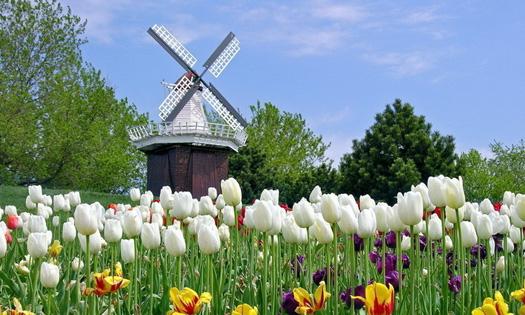
Open only for a brief period each year (mid-March to mid-May), Keukenhof is the world’s largest flower garden, showcasing millions of tulips and other spring bulbs in spectacular displays.
Attractions: Wander through themed gardens, pavilions with flower shows, and take a whisper boat tour through the surrounding flower fields.
Transportation: Reachable by a combination of train from Amsterdam to Leiden or Schiphol, then a special Keukenhof Express bus (Bus 858).
Tip: Book tickets online in advance to skip the ticket lines. The best time to see tulips in the fields is typically mid-April.
Rotterdam, Netherlands
A stark contrast to Amsterdam’s historic charm, Rotterdam is a dynamic port city known for its innovative modern architecture, vibrant cultural scene, and maritime spirit, having been largely rebuilt after WWII bombing.
Key Attractions
Markthal (Market Hall): An architectural marvel with a massive arched interior covered by a stunning mural and filled with food stalls and restaurants.
Cubic Houses (Kubuswoningen):A unique residential project of cube-shaped houses tilted on their side. One is open as a museum (“Show-Cube”).
Erasmus Bridge (Erasmusbrug):The city’s iconic swan-like bridge, a symbol of Rotterdam’s modern identity.
Euromast:A tower offering the highest panoramic view of Rotterdam. Adventurous visitors can abseil down from it.
Delfshaven:A historic district that survived the war, with old canals and buildings, offering a glimpse of pre-war Rotterdam.
Food & Drink
Rotterdam’s diverse population is reflected in its food scene. The Markthal is a foodie paradise. Don’t miss trying fresh herring or kibbeling (battered cod) from one of the many fish stalls. The city also has excellent Indonesian restaurants due to its colonial history; a
rijsttafel (rice table) is a must-try culinary experience.
Transportation & Accommodation
The train from Amsterdam to Rotterdam takes about 40 minutes. Rotterdam has an excellent metro system. The city center is very walkable. For accommodation, areas around the city center or Kop van Zuid offer modern comfort with great views.
The Return Journey: Cologne & Frankfurt
The return leg from Rotterdam to Frankfurt is another scenic train ride via Cologne. This provides an opportunity for a final stop in Cologne if you wish to see anything you missed or simply enjoy another Kölsch by the Rhine before catching your connecting train back to Frankfurt for your departure flight.
Cultural Insights & Practical Tips
Tipping: Service is usually included in bills. It’s customary to round up the bill or leave 5-10% for good service.
Coffee Culture: In the Netherlands, ordering “coffee” typically gets you a filter coffee. If you want an espresso-based drink, be specific (e.g., cappuccino). In Germany, coffee culture is strong and often accompanied by cake (Kaffee und Kuchen) in the afternoon.
Shopping Hours: Shops in both Germany and the Netherlands generally close early on Sundays and have limited hours on Mondays mornings.
Sustainability: Both countries are very environmentally conscious. Recycling is common, and cycling is a primary mode of transport in Dutch cities—always be aware of bicycle lanes.
Cash vs. Card: While card payments are widely accepted, it is still wise to carry some cash, especially in smaller shops, markets, and traditional German brauhauses.
This itinerary offers a rich tapestry of experiences, from the imperial cathedrals of Germany to the serene canals and innovative architecture of the Netherlands. With careful planning and this guide in hand, travelers are set for an unforgettable journey through the heart of Western Europe.