A Comprehensive Travel Guide: Cancun to Chichen Itza and Back
This guide details a journey from the vibrant hotel zone of Cancun to the ancient Mayan wonder of Chichen Itza, offering an objective look at the attractions, logistics, cuisine, and cultural experiences you can expect along the way. This route is one of the most popular in Mexico’s Yucatan Peninsula, blending pristine beaches with profound history.
Part 1: Cancun – The Gateway to the Mayan World
Cancun is more than just a spring break destination; it’s a meticulously planned tourism hub built on a stunning L-shaped island. Its primary draws are its impossibly turquoise waters and powdery white-sand beaches.
Main Attractions in Cancun
The Hotel Zone Beaches: Spend a day beach-hopping. Playa Delfines is famous for its iconic “Cancun” sign and lack of hotels, offering public access and stunning views. Playa Chac Mool and Playa Marlin are lively with water sports and beach clubs.
El Rey Archaeological Zone: Located right in the Hotel Zone, this is a small but significant Mayan ruin site. It offers a quiet respite from the beach and a glimpse into the pre-Hispanic history of the area, with over 40 structures to explore.
Museo Maya de Cancun: Adjacent to the San Miguelito ruins, this modern museum houses an impressive collection of Mayan artifacts from across the Yucatan Peninsula, including pieces from Chichen Itza and Palenque. It provides essential context before your trip to the larger ruins.
La Isla Shopping Village & Mercado 28: For shopping, La Isla is an open-air, Venetian-themed mall with international brands and a scenic lagoon. For a more authentic and haggling-heavy experience, head to Mercado 28 in downtown Cancun for souvenirs, leather goods, and local crafts.
Food & Drink in Cancun
Cancun’s dining scene is vast, ranging from high-end international cuisine to humble local eateries.
Hotel Zone Dining: Expect a concentration of upscale restaurants, American chains, and lively themed bars. While convenient, prices are significantly higher here.
Downtown (El Centro) Eateries: For a more authentic and affordable taste, venture downtown. Here you’ll find taquerias, loncherias, and restaurants serving traditional Yucatecan dishes.
Try: Cochinita Pibil (slow-roasted pork), Panuchos (fried tortillas with beans and toppings), and Sopa de Lima (lime soup).
Practical Tip: Don’t drink the tap water. Stick to bottled or purified water (agua purificada). Most restaurants and hotels use purified water for ice and cooking, but it’s always good to confirm.
Transportation in Cancun
ADO Bus: The most reliable bus service for long-distance travel, including trips to Chichen Itza. The main terminal is downtown.
R1 & R2 Buses: These local buses are the cheapest and easiest way to get around the Hotel Zone and to downtown. They run frequently and cost a flat fee.
Taxis: Readily available but can be expensive, especially in the Hotel Zone. Always agree on a price before getting in.
Car Rentals: Offers maximum flexibility for day trips but be aware of aggressive drivers, “mandatory” insurance upsells, and occasional police stops for tourists.
Part 2: The Journey to Chichen Itza
The trip from Cancun to Chichen Itza takes approximately 2.5 to 3 hours by car or bus, traversing the heart of the Yucatan state.
Transportation Options
ADO Bus (Recommended for Solo/Couples): A comfortable, air-conditioned, and cost-effective option. You take a bus from Cancun to the site’s entrance. The downside is fixed departure times, which may not allow for a full day of exploration if you wish to visit other stops.
Organized Tour (Most Convenient): Hundreds of tour operators offer day trips. These typically include transportation, a guide, lunch, and often a stop at a cenote (like Ik Kil) and sometimes Valladolid. This is a hassle-free way to see the highlights without worrying about logistics.
Rental Car (Best for Flexibility): Renting a car allows you to arrive at Chichen Itza right at opening time to beat the crowds and the heat. You can also create your own itinerary, stopping at lesser-known cenotes or colonial towns like Valladolid on the return trip.
The Scenic Route & Worthwhile Stops
The highway is mostly straight and flat, cutting through low jungle. Consider these stops to break up the drive:
Cenote Azul or Cenote Cristalino: Located just south of Playa del Carmen, these are beautiful, easily accessible cenotes perfect for a quick swim.
The City of Valladolid: A beautiful, colorful colonial city about 45 minutes from Chichen Itza. It’s an excellent place to stop for lunch, visit the Convent of San Bernardino de Siena, and see the Cenote Zaci right in the city center.
Part 3: Chichen Itza – The Majestic Mayan Metropolis
A UNESCO World Heritage Site and one of the New Seven Wonders of the World, Chichen Itza is awe-inspiring. It was a major pre-Columbian city built by the Maya people of the Terminal Classic period and later influenced by the Toltecs.
A Guide to the Key Structures
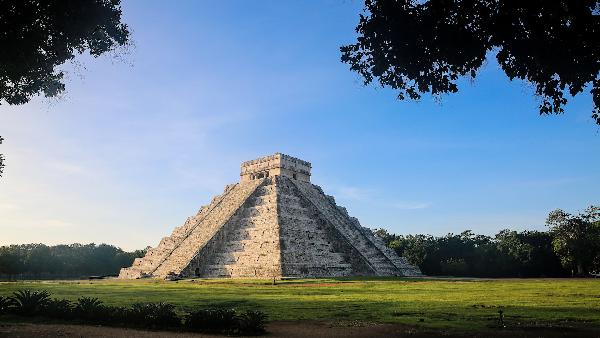
El Castillo (The Temple of Kukulcan): The iconic step-pyramid that dominates the site. Its design is a testament to Mayan astronomical genius. During the spring and autumn equinoxes, the play of sunlight and shadow creates the illusion of a serpent slithering down the northern staircase.
Local Insight: Climbing El Castillo is no longer permitted to preserve the structure and for safety reasons. The view from the ground is still magnificent.
The Great Ball Court (Juego de Pelota): This is the largest and best-preserved ball court in ancient Mesoamerica. The acoustics are remarkable; a whisper from one end can be clearly heard at the other. The stone carvings depict scenes of the ritual ball game, which often culminated in human sacrifice.
The Temple of the Warriors (Templo de los Guerreros): A large stepped pyramid fronted by rows of carved columns depicting warriors. At the top, you’ll find a famous Chac Mool statue, a reclining figure holding a bowl used for offerings.
The Group of a Thousand Columns: Adjacent to the Temple of the Warriors, this area was likely a vast market or meeting place, with numerous columns that once supported a massive roof structure.
El Caracol (The Observatory): A unique circular tower that demonstrates the Mayans’ advanced understanding of astronomy. Its windows are aligned with the movements of Venus and other celestial bodies.
The Sacred Cenote: A massive natural sinkhole located by a sacred causeway north of El Castillo. It was a site of pilgrimage where offerings of jade, gold, and even human sacrifices were made to the rain god Chaac.
The On-Site Experience: Practicalities
Crowds & Heat: Chichen Itza is one of Mexico’s most visited sites. To avoid the worst of both, arrive as soon as it opens (8:00 AM). The midday sun is intense; a hat, sunscreen, and plenty of water are non-negotiable.
Vendors: The site is filled with local vendors selling souvenirs. They are persistent but generally polite. A simple “No, gracias” is usually sufficient. The sheer volume of vendors can detract from the atmosphere for some visitors.
Guides: Hiring a certified guide at the entrance is highly recommended. They bring the stones to life with stories of Mayan history, cosmology, and architecture that you would otherwise miss. Agree on a price and duration beforehand.
Facilities: There are restrooms, a small museum, and a restaurant near the entrance. However, services inside the archaeological zone itself are limited.
Part 4: Enhancing Your Chichen Itza Trip – Cenotes and Valladolid
A trip to Chichen Itza is rarely just about the ruins. The region is rich with natural and cultural attractions that complete the experience.
The Unmissable Cenote Experience
Cenotes are natural pits or sinkholes resulting from the collapse of limestone bedrock that exposes groundwater underneath. They were considered sacred portals to the underworld by the Maya.
Cenote Ik Kil: Located just a few minutes from Chichen Itza, this is the most famous cenote associated with the ruins. It’s a spectacular deep, circular cenote with vines trailing down from the opening above. It has facilities like changing rooms, lockers, and a restaurant, making it very tourist-friendly but also often crowded.
Less Crowded Alternatives: For a more intimate experience, seek out smaller cenotes in the area.
Cenote Xkeken (Dzitnup): Near Valladolid, this cenote features a stunning stalactite-filled cavern with a small opening letting in a beam of light.
Cenote Samula: Located right next to Xkeken, it has a giant tree root stretching down to touch the water.
Cenote Etiquette: Shower before entering (mandatory at most), do not wear sunscreen or insect repellent (it harms the ecosystem), and use life jackets if provided/required.
The Charm of Valladolid
This “Sultana of the East” is a picturesque colonial city that offers a more relaxed pace than Cancun. Its historic center is filled with brightly colored buildings centered around the main square, Parque Francisco Cantón Rosado.
Attractions: Visit the majestic San Gervasio Cathedral, explore the aforementioned Cenote Zaci, and wander down Calzada de los Frailes, a beautiful street lined with artisan shops and cafes.
Food: Valladolid is an excellent place to try authentic Yucatecan cuisine at very reasonable prices. Look for restaurants serving Lomitos de Valladolid (a pork dish in a tomato sauce) or Longaniza (a local sausage).
The Return Journey to Cancun
The drive back to Cancun is straightforward. If you took a tour, you’ll likely be tired and can relax on the bus. If you have your own car, consider taking the free federal highway (Libre) instead of the toll road (Cuota) for a different view, passing through small villages—but be aware it will take longer.
A Sample 3-Day Itinerary
Day 1: Arrival in Cancun
- Afternoon: Settle into your accommodation, explore your local beach (Playa Delfines for photos, Playa Tortugas for atmosphere).
- Evening: Enjoy dinner at a downtown restaurant like La Parrilla or Los de Pescado for authentic flavors.
Day 2: Chichen Itza Full-Day Trip
- 6:00 AM: Depart Cancun by rental car or tour bus.
- 8:30 AM: Arrive at Chichen Itza. Hire a guide for a 2-3 hour tour.
- 12:00 PM: Have lunch at the on-site restaurant or pack a lunch.
- 1:30 PM: Drive to Cenote Ik Kil for a refreshing swim.
- 3:30 PM: Stop in Valladolid for coffee, sightseeing, and souvenir shopping.
- 6:30 PM: Arrive back in Cancun.
Day 3: Cancun Relaxation & Departure
- Morning: Visit the Museo Maya de Cancun and the adjacent San Miguelito ruins.
- Afternoon: Relax on Playa Chac Mool or take part in a water sport like snorkeling or jet-skiing.
- Evening: Last-minute shopping at La Isla or Mercado 28 before departing.
Final Practical Travel Tips & Cultural Insights
Currency: The Mexican Peso (MXN) is the official currency. While US dollars are widely accepted in tourist areas, you will almost always get a better price by paying in pesos. Carry smaller bills for tips and markets.
Language: Spanish is the official language. In tourist zones, English is common, but learning a few basic phrases (Hola, Gracias, Por favor, Cuánto cuesta?) is greatly appreciated and can enhance your interactions.
Tipping: Tipping is customary. In restaurants, 10-15% is standard. Tip tour guides, drivers, and housekeeping staff a few dollars per day/service.
Bargaining: Expected in markets (like Mercado 28) but not in fixed-price stores or restaurants. Be polite and friendly during the process.
Siesta Culture: Many smaller shops and businesses outside the main hotel zones may close for a few hours in the afternoon (roughly 2-5 PM). Plan accordingly.
Souvenirs: Popular items include Mayan replicas, hammocks, silver jewelry, vanilla, and hot sauce. Be cautious when buying “black coral” or other protected natural materials; ensure they are sustainably sourced.
The journey from Cancun to Chichen Itza offers a perfect duality: the modern hedonism of a world-class beach resort contrasted with the silent, enduring power of an ancient civilization. By understanding what to expect in terms of logistics, culture, and on-the-ground realities, you can seamlessly navigate between these two worlds for an unforgettable Mexican adventure.