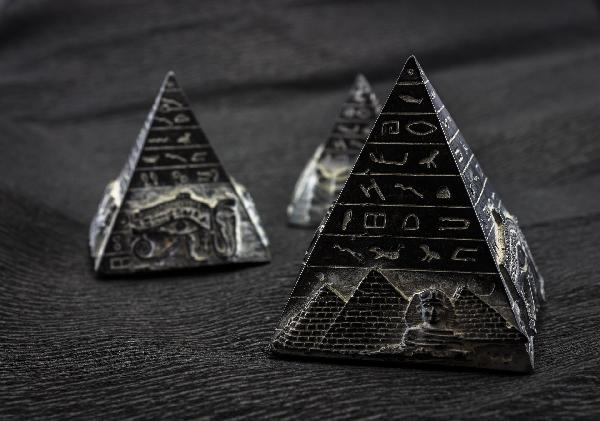
A Comprehensive Travel Guide: Cairo, Aswan, Kom Ombo, Luxor, and the Red Sea
This journey through Egypt is a voyage through time, tracing the lifeline of the Nile River from the modern-day chaos of Cairo to the serene majesty of Aswan, punctuated by the awe-inspiring temples of Kom Ombo and Luxor, before concluding with the tranquil beauty of the Red Sea. This itinerary offers a profound exploration of ancient civilizations, vibrant cultures, and breathtaking landscapes.
Part 1: Cairo – The Gateway to the Pyramids
Cairo, a sprawling metropolis teeming with over 20 million people, is a city of contrasts. The ancient and the modern coexist in a vibrant, often chaotic, symphony of life. It is the starting point for any Egyptian adventure, home to the last remaining wonder of the ancient world.
Attractions in Cairo
The Giza Plateau: No amount of media can prepare you for the sheer scale of the Great Pyramids of Giza and the Sphinx. Standing at the base of the Pyramid of Khufu is a humbling experience. It’s best to visit early in the morning to avoid both the crowds and the intense midday heat. A camel or horse ride around the plateau offers a classic, albeit touristy, perspective. Don’t miss the Solar Boat Museum, which houses a remarkably preserved cedarwood boat intended for the pharaoh’s journey to the afterlife.
The Egyptian Museum: Located in Tahrir Square, this iconic, pink-hued museum is a treasure trove of antiquities. While it can feel overwhelming and somewhat dated, it houses an unparalleled collection, including the solid gold death mask and coffins of Tutankhamun. The Royal Mummy Room (requiring an extra ticket) is a fascinating yet solemn experience.
Khan el-Khalili Bazaar: Get lost in this labyrinthine market that has been the commercial heart of Cairo for centuries. The air is thick with the scent of spices, perfumes, and sheesha smoke. It’s a place for haggling for souvenirs, sipping mint tea at the famous El Fishawy café, and observing daily Cairene life.
Islamic Cairo: Explore the historic mosques and madrasas. The Citadel of Saladin offers panoramic views of the city and houses the stunning Alabaster Mosque of Muhammad Ali. Wander through the nearby streets to see the Mosque-Madrassa of Sultan Hassan and the Al-Rifa’i Mosque.
Coptic Cairo: This ancient enclave predates Islamic Cairo and is home to the Hanging Church (Al-Muallaqa), built atop a Roman gatehouse, the Coptic Museum, and the Ben Ezra Synagogue, believed to be the site where baby Moses was found.
Cairo Food & Drink
Cairo’s food scene is a delight for the senses. Street food is an essential part of the experience.
Koshary: Egypt’s national dish—a hearty mix of rice, lentils, chickpeas, pasta, and crispy fried onions, topped with a spicy tomato-vinegar sauce.
Ful Medames: A staple breakfast of mashed fava beans served with olive oil, garlic, and lemon.
Taameya (Egyptian Falafel): Made from fava beans instead of chickpeas, giving it a distinct, delicious flavor.
Grilled Meats: Try kofta (spiced minced meat skewers) and kebab.
Sweet Treats: Indulge in Umm Ali (a bread pudding dessert) and Konafa (a cheese pastry soaked in sweet syrup).
Insider Tip: For a more upscale dining experience with a view, book a dinner cruise on the Nile. For authentic local fare, venture into neighborhoods like Zamalek for its trendy cafes and restaurants.
Transportation in Cairo
Navigating Cairo can be daunting. Traffic is notoriously congested.
Ride-Hailing Apps: Uber and Careem are widely used, affordable, and eliminate haggling with taxi drivers.
Metro: The Cairo Metro is fast, cheap, and efficient for reaching key areas like Downtown, Zamalek (Saddat Station), and Old Cairo (Mar Girgis Station). Note: The first carriage is reserved for women only.
Private Driver: For day trips to the pyramids or the airport, hiring a private driver for a few hours can be convenient and cost-effective.
Part 2: Aswan – The Nubian Jewel
A short flight or an overnight sleeper train from Cairo brings you to Aswan, a city with a completely different energy. The air is drier, the pace is slower, and the Nile is at its most beautiful, dotted with granite rocks and feluccas sailing gracefully by. Aswan is the gateway to Nubian culture.
Attractions in Aswan
Abu Simbel: A must-do day trip from Aswan (usually departing around 4 AM). The twin temples of Ramses II and his wife Nefertari, carved out of a mountainside, are monumental achievements of ancient engineering and artistry. Their relocation to save them from the rising waters of Lake Nasser is a story in itself.
The High Dam: An impressive feat of modern engineering that created Lake Nasser and tamed the Nile’s annual flood. The view from the top underscores its massive scale.
Philae Temple: Dedicated to the goddess Isis, this temple was also relocated piece by piece to its current island home. You reach it by a charming boat ride. The setting is magical, especially during the sound and light show in the evening.
The Unfinished Obelisk: Still lying in its granite quarry, this massive obelisk offers a fascinating glimpse into ancient stone-working techniques. Had it been completed, it would have been the largest obelisk ever erected.
A Felucca Ride: A sunset felucca ride around the islands of Aswan is a quintessential and peaceful experience. Sail around Elephantine Island and the Botanical Gardens on Kitchener’s Island.
A Nubian Village: Visit a Nubian village on the west bank of the Nile. The brightly painted houses, friendly people, and opportunity to learn about their unique culture and traditions are highlights. You might even get to hold a baby crocodile!
Aswan Food & Culture
Aswan’s cuisine has distinct Nubian influences.
Nubian Hospitality: If invited into a home, you may be offered sweet black tea or a taste of traditional dishes.
Fresh Nile Perch: Often grilled or fried and served in local restaurants along the corniche.
Dates: Aswan is famous for its high-quality dates; be sure to try some.
Part 3: Kom Ombo – The Temple of Two Gods
The journey from Aswan to Luxor is typically done by road or by a Nile cruise. En route lies Kom Ombo, a temple that is uniquely dedicated to two gods: Sobek, the crocodile god, and Horus the Elder.
Attractions in Kom Ombo
Kom Ombo Temple: The temple’s perfect symmetry is its most striking feature, with duplicate halls, sanctuaries, and rooms for each god. The reliefs are exceptionally well-preserved, including one that is often interpreted as a set of ancient surgical instruments. The adjacent Crocodile Museum displays mummified crocodiles, once revered as manifestations of Sobek.
Travel Tip: Many Nile cruises stop here in the late afternoon or evening, when the temple is beautifully lit. It’s a relatively quick but fascinating stop.
Part 4: Luxor – The World’s Greatest Open-Air Museum
Luxor, ancient Thebes, is arguably the crown jewel of any Egyptian itinerary. The city is split between the East Bank (City of the Living) and the West Bank (City of the Dead), with the Nile flowing between them.
Attractions on the East Bank
Karnak Temple: This is not merely a temple but a vast complex built over 2,000 years. Walking through the Great Hypostyle Hall, with its 134 massive columns, is an unforgettable experience. The scale is simply staggering.
Luxor Temple: Located in the heart of the modern city, this temple is beautifully illuminated at night. It’s connected to Karnak by a 3-kilometer avenue of sphinxes that has been largely excavated. Its history is layered, with Roman frescoes visible inside one of its chapels.
Attractions on the West Bank
Valley of the Kings: The burial place of pharaohs like Tutankhamun, Ramses II, and Seti I. Your ticket typically allows entry to three tombs (excluding Tutankhamun and Seti I, which require separate tickets). The vivid colors inside these tombs, hidden for millennia, are breathtaking.
Temple of Hatshepsut: A stunning mortuary temple built into the cliffs at Deir el-Bahari. Its modern, multi-level design stands in dramatic contrast to its surroundings and tells the story of Egypt’s powerful female pharaoh.
The Colossi of Memnon: Two massive stone statues of Amenhotep III that have stood guard in the Theban necropolis for 3,400 years. They are often the first stop on a West Bank tour.
Valley of the Queens & Nobles’ Tombs: If time permits, these sites offer equally impressive art but with fewer crowds. The tomb of Nefertari in the Valley of the Queens (requires a special, expensive ticket) is considered the Sistine Chapel of ancient Egypt.
Luxor Food & Transportation
The food in Luxor shares similarities with Cairo but often features excellent river fish. Transportation on the West Bank is best arranged via a private taxi or car for the day. To cross the Nile, you can use public ferries or have your driver use one of the road bridges further north. Hot air balloon rides over the West Bank at dawn offer a spectacular, bird’s-eye view of the temples and tombs.
Part 5: The Red Sea – A Desert Oasis
After days immersed in history, a transfer to the Red Sea coast (from Luxor by car or bus, approx. 4-5 hours) provides a perfect contrast. Resorts in Hurghada or Makadi Bay offer relaxation and world-class underwater activities.
Attractions & Activities at the Red Sea
Snorkeling and Diving: The Red Sea is renowned for its crystal-clear waters, vibrant coral reefs, and diverse marine life. Even from the beach or on a short boat trip, you can see stunning coral gardens and colorful fish.
Desert Safari: Take a quad biking or jeep safari into the Eastern Desert for a taste of Bedouin culture and dramatic mountain scenery.
Relaxation: Simply unwind at your resort, enjoying the pools, beaches, and all-inclusive amenities.
The Return: Back to Cairo
The final leg involves a flight or bus journey from Hurghada back to Cairo. This return offers a chance for last-minute souvenir shopping in Khan el-Khalili or visiting any sites you may have missed at the beginning of your trip before your international flight departs.
Practical Travel Tips & Cultural Insights
Best Time to Visit
The ideal time for this trip is during the cooler months from October to April. The summer months (May-September) are extremely hot, especially in Upper Egypt (Luxor & Aswan).
Transportation Between Cities
Cairo to Aswan/Luxor: Overnight sleeper train (a fun experience), domestic flight (fastest), or a multi-day Nile Cruise.
Aswan to Luxor: Nile Cruise (highly recommended for a relaxing journey with stops at Kom Ombo and Edfu), private car, or train.
Luxor to Red Sea: Private transfer or bus (approx. 4-5 hours).
Red Sea to Cairo: Flight (quickest) or GoBus (economical long-distance bus).
Cultural Etiquette & Local Insights
Dress Modestly: While more relaxed in tourist areas like resorts and on cruise ships, it is respectful to cover shoulders and knees when visiting mosques and local villages.
Tipping (Baksheesh): Tipping is deeply ingrained in Egyptian culture for even small services. Carry small bills (Egyptian pounds) for restroom attendants, hotel porters, guides, and drivers.
Haggling: Expected in markets like Khan el-Khalili. Be polite, have a sense of humor, and be prepared to walk away if the price isn’t right.
Hydration & Food Safety: Drink plenty of bottled water. Be cautious with street food; opt for vendors that are busy with locals and where food is cooked fresh in front of you.
A Guided Experience: Hiring a knowledgeable Egyptologist guide for key sites like Karnak, the Valley of the Kings, and Abu Simbel will immensely enrich your understanding and appreciation of what you are seeing.
“Welcome to Egypt”: You will hear this phrase constantly from friendly locals. Embrace the hospitality but remain aware of your surroundings and be firm but polite with persistent vendors.
A journey through Egypt is more than a vacation; it’s an education in one of humanity’s oldest civilizations. From the monumental pyramids to the tranquil Red Sea, this route offers an unparalleled tapestry of history, culture, and natural beauty that will leave you with memories to last a lifetime.