A Comprehensive Travel Guide: Cairo, Alexandria, Aswan, Kom Ombo, Luxor, and the Red Sea
This guide details a classic Egyptian itinerary, a circular route that takes you from the modern capital, through ancient history along the Nile, to the serene shores of the Red Sea, and back. It is a journey through millennia, offering a profound glimpse into the civilization that shaped the world.
Part 1: Cairo – The Vibrant Capital
Your Egyptian adventure begins in Cairo, a sprawling, bustling metropolis that is both chaotic and captivating. The city is a sensory overload in the best way possible, where the ancient and modern exist side-by-side.
Attractions in Cairo
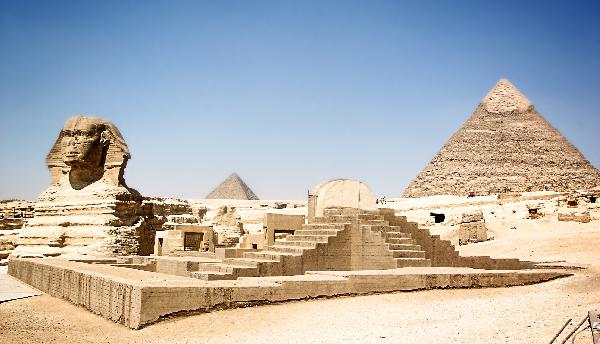
The Giza Plateau: No visit to Egypt is complete without witnessing the last surviving wonder of the ancient world. The Great Pyramid of Khufu, along with the pyramids of Khafre and Menkaure, are awe-inspiring. Don’t miss the Sphinx, standing guard with its enigmatic expression. A practical tip: visit early in the morning to avoid the worst of the crowds and heat, or later in the afternoon for beautiful lighting.
The Egyptian Museum in Tahrir Square: This iconic, pink-hued museum is a treasure trove. While much of the collection is being moved to the new Grand Egyptian Museum (GEM), it still houses an incredible array of artifacts, including the golden mask and treasures of Tutankhamun. It feels wonderfully old-school, with artifacts displayed in crowded wooden cases.
The Grand Egyptian Museum (GEM): Upon its full opening, this state-of-the-art museum near Giza will be the world’s largest archaeological museum. It is designed to house the complete Tutankhamun collection and thousands of other priceless items. Check its status before your trip.
Khan el-Khalili Bazaar: Get lost in this labyrinthine market dating back to the 14th century. It’s a place for souvenirs, spices, perfumes, jewelry, and people-watching. Engage with the shopkeepers, practice your haggling skills, and be sure to stop at the famous El Fishawy café for a traditional mint tea and to smoke shisha.
Islamic Cairo: Explore the historic mosques and madrasas. Key sites include the Citadel of Saladin, which offers panoramic views of the city, and the magnificent Mosque of Muhammad Ali within its walls. Wander through the Al-Muizz Street, one of the oldest streets in Cairo, lined with historic Islamic buildings.
Coptic Cairo: This ancient part of the city is the heart of Egypt’s Christian community. Visit the Hanging Church (Al-Muallaqa), built atop a Roman fortress gate, the Coptic Museum, and the Ben Ezra Synagogue, believed to be where baby Moses was found.
Cairo Food & Drink
Egyptian cuisine is hearty and flavorful. Must-try dishes include:
Koshary: The national dish – a delicious mix of rice, lentils, chickpeas, pasta, and crispy fried onions, topped with a spicy tomato sauce. Try it at a dedicated koshary restaurant like Abu Tarek.
Ful Medames & Ta’meya (Falafel): The classic Egyptian breakfast. Ful is slow-cooked fava beans, and ta’meya is made from fava beans (unlike Middle Eastern falafel made from chickpeas).
Grilled Meats: Try kofta (spiced minced meat skewers) and kebab.
Stuffed Pigeon (Hamam Mahshi): A traditional delicacy.
Drinks: Sip on sweet black tea, strong Turkish coffee, or fresh fruit juices from street vendors. Avoid tap water; stick to bottled water.
Cairo Transportation & Tips
Traffic in Cairo is legendary. The easiest way to navigate shorter distances is using ride-hailing apps like Uber or Careem. The Cairo Metro is efficient and cheap, but can be very crowded. For longer trips between cities, consider the train or a private driver. A local guide for major sites like the pyramids is highly recommended for context and to navigate the persistent vendors.
Part 2: Alexandria – The Mediterranean Pearl
A day trip or overnight stay in Alexandria offers a different vibe. Founded by Alexander the Great, this city on the Mediterranean coast has a breezy, European feel compared to Cairo.
Attractions in Alexandria
Bibliotheca Alexandrina: A stunning modern reincarnation of the ancient Library of Alexandria. The architecture alone is worth the visit. It’s a massive cultural complex with museums, a planetarium, and vast reading rooms.
Citadel of Qaitbay: A picturesque 15th-century fortress built on the site of the ancient Lighthouse of Alexandria (one of the Seven Wonders). The views of the Mediterranean are spectacular.
Kom el Shoqafa Catacombs: A fascinating Roman burial site that shows a unique blend of Egyptian, Greek, and Roman artistic styles. It’s a multi-level labyrinth discovered by chance in 1900.
Pompey’s Pillar: A massive 25-meter granite column erected in 297 AD, it is one of the largest ancient monoliths.
Corniche: Take a long stroll along the scenic waterfront corniche. It’s a great way to experience the city’s relaxed atmosphere.
Alexandria Food & Transportation
Alexandria is famous for its seafood. Head to a fish market where you can choose your fresh fish and have it grilled to order. A common way to reach Alexandria from Cairo is by train from Cairo’s Ramses Station; the journey takes about 2.5-3 hours. Alternatively, a private car offers more flexibility.
Part 3: Aswan – The Nubian Heartland
After returning to Cairo, fly south to Aswan. The climate and culture here are distinctly different from the north. Aswan is hotter, drier, and infused with Nubian culture. The pace of life is slower, and the views of the Nile are at their most beautiful, with granite rocks and sandy islands dotting the river.
Attractions in Aswan
Abu Simbel: While it requires a very early morning start (often a 3-4 AM convoy), the Great Temple of Ramses II and the Temple of Hathor are arguably Egypt’s most impressive monuments after the pyramids. The scale of the statues and the story of their UNESCO-led relocation to save them from the rising waters of Lake Nasser are breathtaking.
Philae Temple: Dedicated to the goddess Isis, this temple was also relocated piece by piece to Agilkia Island to save it from flooding. You take a small motorboat to reach it, which adds to the experience. The temple’s setting is serene and its reliefs are exceptionally well-preserved.
The Aswan High Dam: An engineering marvel of the 20th century, it created Lake Nasser and tamed the Nile’s annual floods. The viewpoint offers a sense of its immense scale.
The Unfinished Obelisk: Lying in a granite quarry, this massive obelisk was abandoned due to a crack. It provides incredible insight into ancient stone-working techniques.
A Felucca Ride: A must-do experience in Aswan. Sail on a traditional wooden sailing boat around the islands, especially at sunset. You can visit Elephantine Island and the Botanical Gardens on Kitchener’s Island.
A Nubian Village: Visit a village on the west bank of the Nile to experience vibrant Nubian culture, characterized by brightly painted houses, hospitable people, and unique traditions.
Aswan Food & Culture
The Nubian influence is strong here. You may find different spices and dishes. The market in Aswan is less overwhelming than Cairo’s and is a great place to buy spices and Nubian crafts.
Part 4: Kom Ombo & Edfu – Riverside Temples
The journey from Aswan to Luxor is best done by road or as part of a Nile cruise. This route takes you past two significant temples located right on the riverbank.
Kom Ombo Temple: This unique double temple is dedicated to two gods: the crocodile god Sobek and the falcon god Horus the Elder. Its symmetry is fascinating. The temple also houses a mummified crocodile museum, displaying crocodiles that were revered in ancient times.
Edfu Temple: Located further north, the Temple of Horus at Edfu is one of the best-preserved temples in Egypt. It is massive, with a grand pylon entrance and an almost complete set of walls, allowing you to fully appreciate the scale and layout of an ancient Egyptian temple complex.
Travel Tip: Most Nile cruises stop at these temples, making them very easy to visit. If you’re traveling independently, you can hire a private car or use public transportation.
Part 5: Luxor – The World’s Greatest Open-Air Museum
Luxor, ancient Thebes, is arguably the highlight of any trip to Egypt for history enthusiasts. The concentration of monuments on the East and West Banks of the Nile is unparalleled.
The East Bank: City of the Living
Karnak Temple Complex: This is not a single temple but a vast city of temples built over 2,000 years. Walking through the Great Hypostyle Hall, with its 134 massive columns, is a humbling experience. Don’t miss the sacred lake and the towering obelisks.
Luxor Temple: Located in the heart of the modern city, this temple is beautifully illuminated at night, making an evening visit highly recommended. It was connected to Karnak by a long avenue of sphinxes.
The West Bank: City of the Dead
Valley of the Kings: The burial place of pharaohs like Tutankhamun, Ramses II, and Seti I. Your ticket typically allows entry to three tombs (the tombs of Tutankhamun and Ramses V/VI require separate tickets). The vivid colors preserved in these underground tombs are astounding.
Temple of Hatshepsut (Deir el-Bahari): A stunning mortuary temple built for Egypt’s most powerful female pharaoh. Its unique design, with three layered colonnades set against sheer cliffs, is dramatic.
The Colossi of Memnon: Two massive stone statues of Pharaoh Amenhotep III that have stood guard at the entrance to his mortuary temple for 3,400 years.
The Valley of the Queens & Tombs of the Nobles: For those with more time, these sites offer equally impressive art with fewer crowds.
Luxor Transportation & Tips
The best way to explore the West Bank is by hiring a private car and driver for the day. For getting around town, taxis and horse-drawn carriages (caleches) are available—agree on a price beforehand. A hot air balloon ride over the West Bank at sunrise provides an unforgettable perspective.
Part 6: The Red Sea – Desert & Diving
From Luxor, it’s a drive east through the desert to one of Egypt’s Red Sea resorts, such as Hurghada or El Gouna. This part of the trip is for pure relaxation and underwater exploration.
Attractions & Activities
Scuba Diving & Snorkeling: The Red Sea is world-renowned for its crystal-clear waters and vibrant coral reefs teeming with marine life. Even if you’re not a diver, a snorkeling boat trip is essential.
Desert Safari: Take a 4×4 or quad bike tour into the Eastern Desert for a completely different landscape of mountains and canyons. You can also visit a Bedouin village to learn about their traditional way of life.
Beach Resorts & Water Sports: Simply relax at your resort or enjoy activities like windsurfing, kitesurfing, or parasailing.
Part 7: Return to Cairo & Departure
The final leg involves driving back from the Red Sea to Cairo (a journey of several hours) or taking a short domestic flight from Hurghada to Cairo International Airport. Use this last opportunity in Cairo for any final souvenir shopping or to visit a site you may have missed.
General Practical Travel Tips for Egypt
Best Time to Visit: October to April offers the most pleasant weather. The summer months (May-September) are extremely hot, especially in Upper Egypt (Luxor/Aswan).
Visa: Most nationalities require a visa, which can often be obtained online as an e-visa or on arrival at major airports.
Currency: The Egyptian Pound (EGP). Have cash on hand for small purchases, tips, and markets; credit cards are accepted at larger hotels and restaurants.
Dress Code: Dress modestly out of respect for local culture. For women, this means covering shoulders and knees, especially when visiting mosques. Men should also avoid wearing shorts in religious sites.
Tipping (Baksheesh): Tipping is an ingrained part of the culture for even small services. Keep small bills handy for restroom attendants, guides, drivers, and hotel staff.
Health: Drink only bottled water. Be cautious with street food; ensure it’s freshly cooked and hot. Consider bringing medication for stomach upsets just in case.
Safety: Egypt has a significant tourist police presence at all major sites. However, as with any major tourist destination, be aware of your surroundings and guard against pickpockets.
Bargaining: Expected in markets (souks). Start at about half the asking price and negotiate with a smile. It’s a social interaction, not a confrontation.
A journey through Egypt is more than a vacation; it’s a pilgrimage through history that will leave you with a profound sense of wonder and memories to last a lifetime.