A Comprehensive Travel Guide: Barcelona and Montserrat
This guide provides a detailed itinerary and essential information for travelers exploring the vibrant city of Barcelona and undertaking a day trip to the spiritual and natural wonder of Montserrat. This combination offers a perfect blend of urban energy, breathtaking architecture, and serene mountain spirituality.
Part 1: Barcelona – The Capital of Catalan Modernism
Barcelona, the cosmopolitan capital of Spain’s Catalonia region, is famed for its unique art and architecture, vibrant street life, and rich cultural heritage. From the surreal creations of Antoni Gaudí to the bustling tapas bars of the Gothic Quarter, the city offers an unforgettable experience.
Top Attractions in Barcelona
La Sagrada Família: The undisputed symbol of Barcelona, this monumental basilica is Antoni Gaudí’s masterpiece and remains under construction since 1882. Visitors are awed by its incredibly detailed facades depicting biblical stories and its forest-like interior columns that soar towards the ceiling. Booking tickets online well in advance is absolutely essential to avoid long queues.
Park Güell: A public park system composed of gardens and architectural elements located on Carmel Hill. It offers whimsical structures, colorful mosaic tiles (trencadís), and stunning panoramic views of the city. The Monumental Zone requires a timed ticket, while much of the park is free to access.
Casa Batlló & La Pedrera (Casa Milà): These two buildings on Passeig de Gràcia are iconic examples of Gaudí’s residential work. Casa Batlló, with its skeletal organic facade, is a visual feast, while La Pedrera is known for its undulating stone facade and surreal, sculptural chimneystacks on its rooftop.
Gothic Quarter (Barri Gòtic): The heart of the old city of Barcelona. A labyrinth of narrow medieval streets filled with historic buildings, charming plazas like Plaça Reial, the Barcelona Cathedral, and remnants of the city’s Roman walls. It’s a perfect area for getting lost and discovering hidden gems.
Las Ramblas: A bustling, tree-lined pedestrian street that runs through the city center, connecting Plaça de Catalunya with the Christopher Columbus Monument at Port Vell. It’s always lively with street performers, kiosks, and flower stalls, but visitors should be vigilant for pickpockets.
Magic Fountain of Montjuïc: A large fountain located at the head of Avinguda Maria Cristina. It offers a spectacular display of light, music, and water acrobatics. Checking the official schedule for showtimes is crucial as it does not run every day, especially outside the peak tourist season.
Food and Drink in Barcelona
Catalan cuisine is a highlight of any visit. Tapas culture is prevalent, but there’s much more to explore.
Tapas: Small savory dishes meant for sharing. Must-tries include patatas bravas (fried potatoes with spicy sauce), jamón ibérico (cured ham), pimientos de padrón (fried green peppers), and gambas al ajillo (garlic shrimp).
Paella: While originally from Valencia, it’s widely available. For an authentic experience, look for restaurants that specialize in it and note that it’s typically a lunchtime dish. Seafood paella is the most common variant.
Catalan Specialties: Try escalivada (grilled vegetables), butifarra (Catalan sausage), suquet de peix (fish stew), and pa amb tomàquet (bread rubbed with tomato and garlic).
Markets: Visit the famous La Boqueria Market off Las Ramblas for a sensory overload, or explore less touristy alternatives like Mercat de Sant Antoni or Mercat de Santa Caterina.
Drinks: Enjoy a glass of Cava (Spanish sparkling wine), local wines from Penedès, or a refreshing clara (beer with lemon soda).
Transportation in Barcelona
Barcelona has an excellent public transportation system.
Metro: The most efficient way to get around the city. The network is extensive and easy to navigate.
T-Casual Card: Formerly known as T-10, this card offers 10 journeys on metro, buses, and trams within Zone 1 at a discounted rate. It is shareable.
Buses: Complement the metro network and are useful for reaching destinations not served by the metro.
Walking: Many of Barcelona’s attractions are concentrated in walkable districts. Exploring on foot is highly recommended.
Taxis & Ride-Sharing: Readily available but more expensive than public transport.
Bicing: The city’s public bike-sharing system, primarily for residents but tourists can use other private services.
Accommodation Tips for Barcelona
Choosing the right neighborhood is key to your Barcelona experience.
Eixample: A great central choice with a grid-like layout, home to many of Gaudí’s masterpieces. Offers a wide range of hotels and apartments.
Gothic Quarter (Barri Gòtic) / El Born: Perfect for those who want to be in the historic heart of the city, with charming streets and nightlife. Can be noisy at night.
Gràcia: A formerly independent village absorbed by the city, it retains a bohemian, village-like feel with lively plazas and independent shops. Quieter than the center.
El Raval: A diverse and multicultural neighborhood undergoing rapid transformation. Edgy and artistic, but some parts can feel sketchy at night.
Barceloneta / Port Olímpic: Ideal for travelers who want to be close to the beach. Offers many hotels with sea views.
Part 2: Montserrat – The Spiritual Mountain
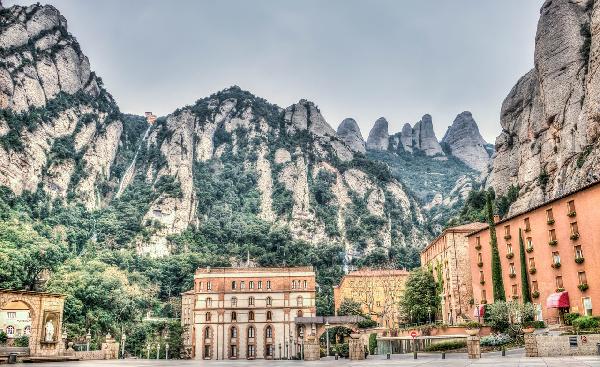
Located about 50 km northwest of Barcelona, Montserrat is a multi-peaked mountain range renowned for its unique rock formations and the Santa Maria de Montserrat Abbey, which houses the revered statue of the Black Madonna (La Moreneta). It is a national pilgrimage site for Catalans and a place of stunning natural beauty.
The Montserrat Experience
The Abbey of Montserrat: This Benedictine abbey is the heart of the complex. The Basilica houses the 12th-century Romanesque statue of the Black Madonna. Visitors can file past the statue to touch her orb (a tradition for blessings). The basilica itself is ornate and impressive.
The Boys’ Choir (L’Escolania): One of the oldest boys’ choirs in Europe, they sing daily in the basilica. Hearing their vespers is a magical experience. Check the official Montserrat website for their performance schedule as they do not sing every day and are often on holiday.
The Funiculars: From the main plaza at the monastery, you can take two funiculars to explore higher up the mountain.
Funicular de Sant Joan: Goes to the top of the mountain for even more spectacular views and access to hiking trails.
Funicular de la Santa Cova: Descends to the path leading to the Holy Cave (Santa Cova), where the statue of the Virgin was supposedly discovered.
Hiking Trails: Montserrat is a hiker’s paradise. Trails range from easy walks to more challenging climbs. A popular hike is from the top of the Sant Joan funicular to the peak of Sant Jeroni, the highest point in the range, offering unparalleled 360-degree views.
The Museum of Montserrat: Features an impressive collection of art, including works by Caravaggio, El Greco, Picasso, and Dalí, as well as archaeological artifacts from the ancient Near East.
How to Get to Montserrat from Barcelona
There are several ways to reach Montserrat, each offering a different experience.
Option 1: Train and Cable Car (Most Scenic)
- Take the R5 line train from Plaça d’Espanya station in Barcelona towards Manresa.
- Get off at the
Aeri de Montserrat stop.
- Transfer to the
Aeri Cable Car, which provides a thrilling, steep ascent with breathtaking views directly to the monastery.
- The entire journey takes about 1 hour and 15 minutes.
Option 2: Train and Rack Railway (Cremallera)
- Take the R5 line train from Plaça d’Espanya station.
- Get off at the
Monistrol de Montserrat station.
- Transfer to the
Cremallera rack railway, which winds its way up the mountain through tunnels and offering beautiful vistas.
- The journey time is similar to Option 1.
Option 3: All-in-One Ticket (“Tot Montserrat”)
The most convenient option for a day trip. This ticket can be purchased online or at Plaça d’Espanya station and includes:
- Round-trip metro/bus transport in Barcelona to/from Plaça d’Espanya.
- Round-trip train travel on the R5 line.
- Your choice of round-trip cable car OR rack railway.
- Unlimited use of the Sant Joan and Santa Cova funiculars.
- Lunch at the restaurant (a simpler option is available without lunch).
Option 4: Organized Tour or Driving
Many companies offer guided day trips from Barcelona, which handle all logistics. Driving is also an option; there are large parking lots at the base and top of the mountain, but parking fills up quickly and requires a fee.
Culinary Delights at Montserrat
The monastery complex has several dining options.
Cafeterias & Restaurant: There are self-service cafeterias and a sit-down restaurant offering set menus. The food is simple but hearty.
Picnic: A wonderful option. You can bring your own food or buy supplies from the supermarket at the base or from shops at the monastery and enjoy a picnic with a world-class view.
Local Liqueurs:
>